Göbeklitepe Unveiled How Ancient Discoveries Continue to Reshape Historical Narratives
Göbeklitepe A Paradigm Shift in Our Understanding of Prehistory
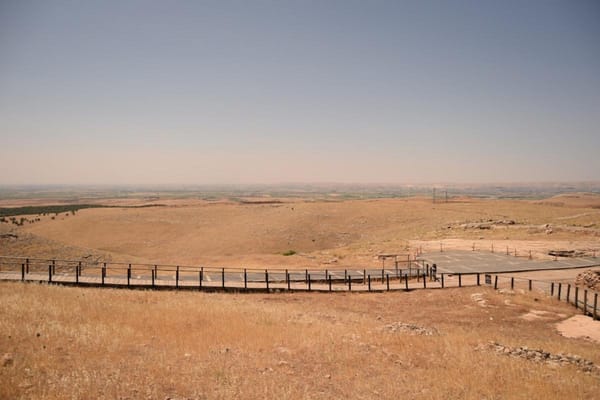
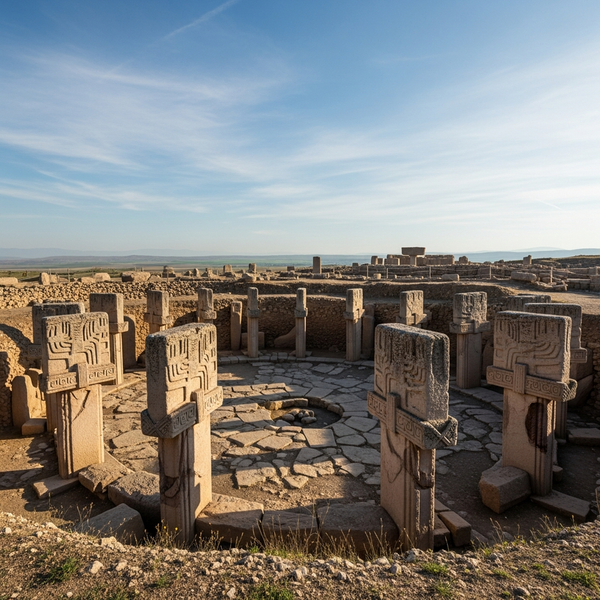
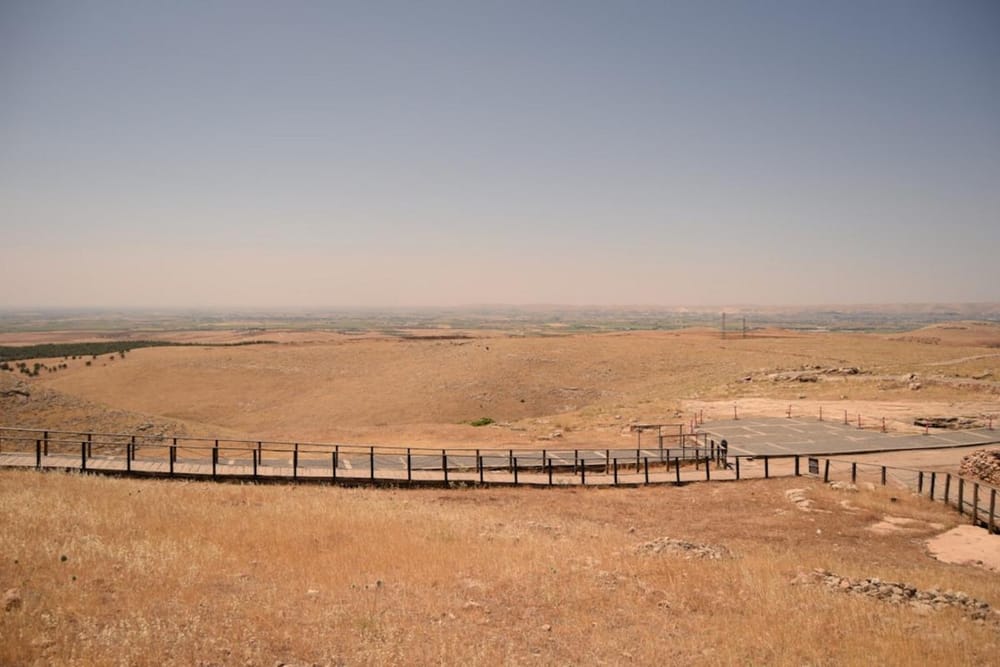
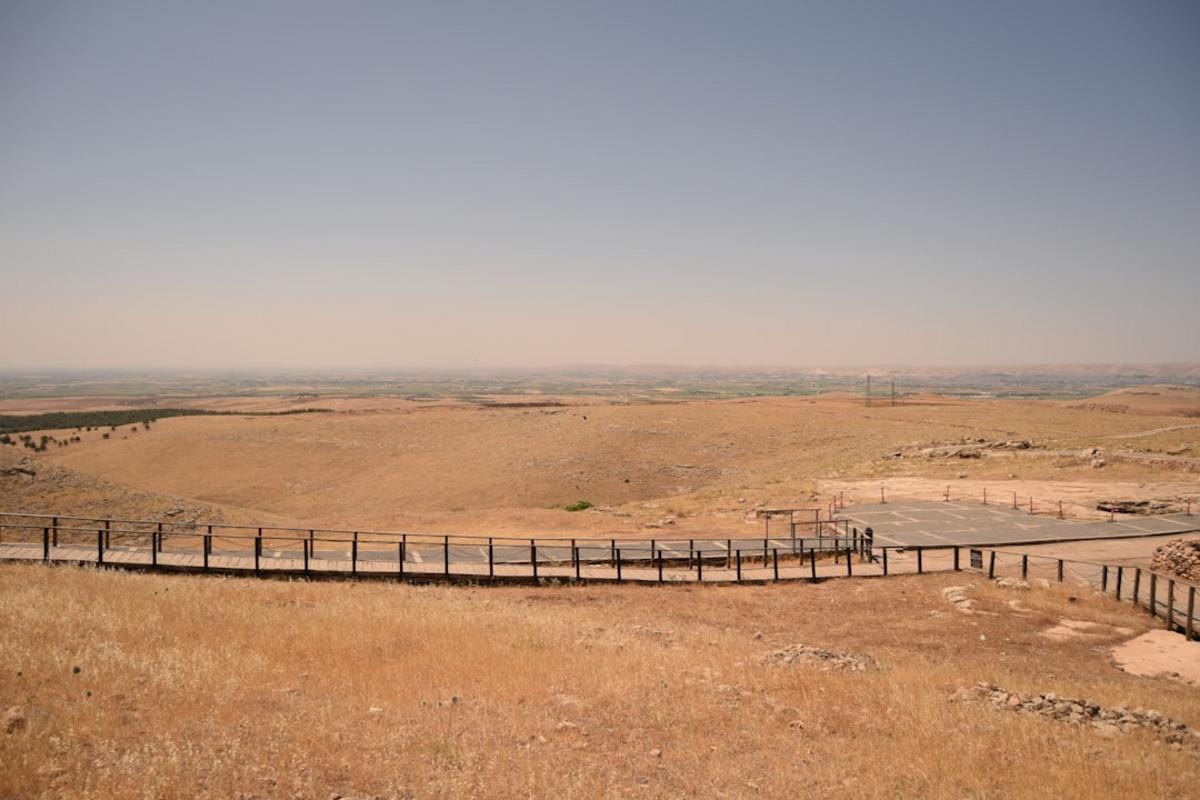
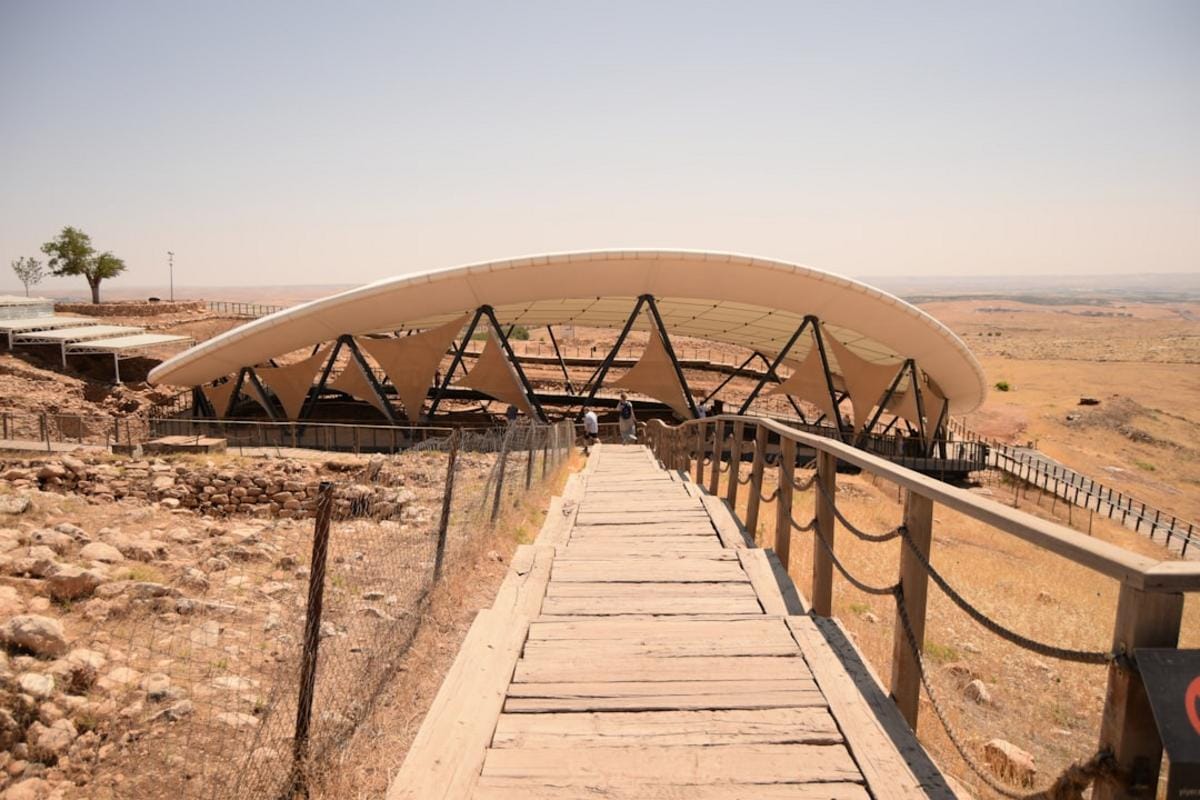
Göbeklitepe, often heralded as the world's oldest known temple complex, has dramatically transformed our comprehension of early human civilization. Situated in southeastern Turkey near Urfa, this archaeological marvel dates back approximately 12,000 years to the late Paleolithic era, predating Stonehenge by thousands of years. Its significance stems from its intricate megalithic structures, which challenge the previously held belief that early humans were solely focused on hunting and gathering, devoid of complex spiritual or societal organization. The site comprises massive T-shaped limestone pillars, some towering up to 5.5 meters, arranged in circular enclosures that suggest a ceremonial or religious purpose. These discoveries argue convincingly that prehistoric humans possessed a sophisticated understanding of construction, symbolism, and social cohesion, fundamentally reshaping the traditional narrative of human progress.
The Architectural Marvels and What They Reveal About Early Beliefs
The architectural sophistication displayed at Göbeklitepe continues to astonish archaeologists and historians alike. Unlike other prehistoric sites, Göbeklitepe's remarkable megalithic pillars are not just functional constructs; they are rich with carved reliefs depicting animals, abstract symbols, and enigmatic motifs. These carvings provide invaluable clues to the spiritual beliefs of the builders. For example, the recurring depictions of foxes, snakes, and boars might indicate totems or spiritual animals revered by the community. Moreover, the circular arrangement of the enclosures suggests a ritualistic purpose, possibly linked to seasonal ceremonies or ancestral worship. The site’s design indicates a complex understanding of astronomy, as some alignments are thought to correspond with celestial events, reinforcing the idea that early humans engaged in advanced observations and ritual practices. These findings illuminate the early roots of religious thought, emphasizing that beliefs and spiritual practices predate the advent of agriculture and settled societies, thus rewriting the origins of human religiosity.
Cultural and Societal Implications of Göbeklitepe’s Discoveries
The revelations coming from Göbeklitepe extend beyond the spiritual and architectural; they fundamentally influence our understanding of societal development. The site suggests a collective effort that transcended simple survival, indicating the presence of social hierarchies, shared rituals, and perhaps even early forms of leadership. The effort required to carve and transport massive stones implies coordination and community cooperation, showcasing a level of social organization previously thought impossible in such early periods. The absence of domestic structures points toward a primarily ceremonial purpose, emphasizing the importance of ritual in shaping social cohesion and identity. These findings suggest that communal and religious activities were integral to early societal frameworks, shaping cultural traces that persisted across millennia. Understanding these cultural elements broadens our view of human history, revealing that spiritual and social complexity appeared much earlier than previously assumed.