
Göbeklitepe Unveiled How a 12 000-Year-Old Sanctuary Challenges Our Understanding of Early Human Societies
The Enigma of Göbeklitepe
Imagine stepping into a site that predates the advent of agriculture and settled civilizations by thousands of years. Göbeklitepe, located in southeastern Turkey, is often described as the world's oldest known temple complex, dating back approximately 12,000 years to the Paleolithic or early Neolithic period. This revelation challenges the long-held assumption that complex ritualistic behavior and monumental architecture only appeared with the rise of farming communities. Archaeologists uncovered massive T-shaped stone pillars, intricately carved with animals and abstract symbols, indicating a highly sophisticated spiritual life among early humans. The site’s megalithic structures, arranged in circles, suggest a communal and possibly sacred space where ancient tribes gathered, perhaps for rituals or ceremonies crucial to their social cohesion and spiritual beliefs. The enormity and complexity of Göbeklitepe's construction have led experts to rethink when and how early humans engaged in organized spiritual or religious practices. Its discovery has sent shockwaves through the archaeological community, prompting a re-evaluation of early human cognitive abilities and societal development, marking a pivotal moment in our understanding of prehistoric history. As ongoing excavations reveal more about the site's layout and artifacts, scholars are beginning to see Göbeklitepe as a symbolic testament to humanity’s deep-seated inclination for spirituality and community. This site pushes the boundaries of our knowledge about the origins of human culture, making it an archaeological marvel that continues to intrigue and inspire.

Deciphering the Symbols and Significance of Ancient Carvings
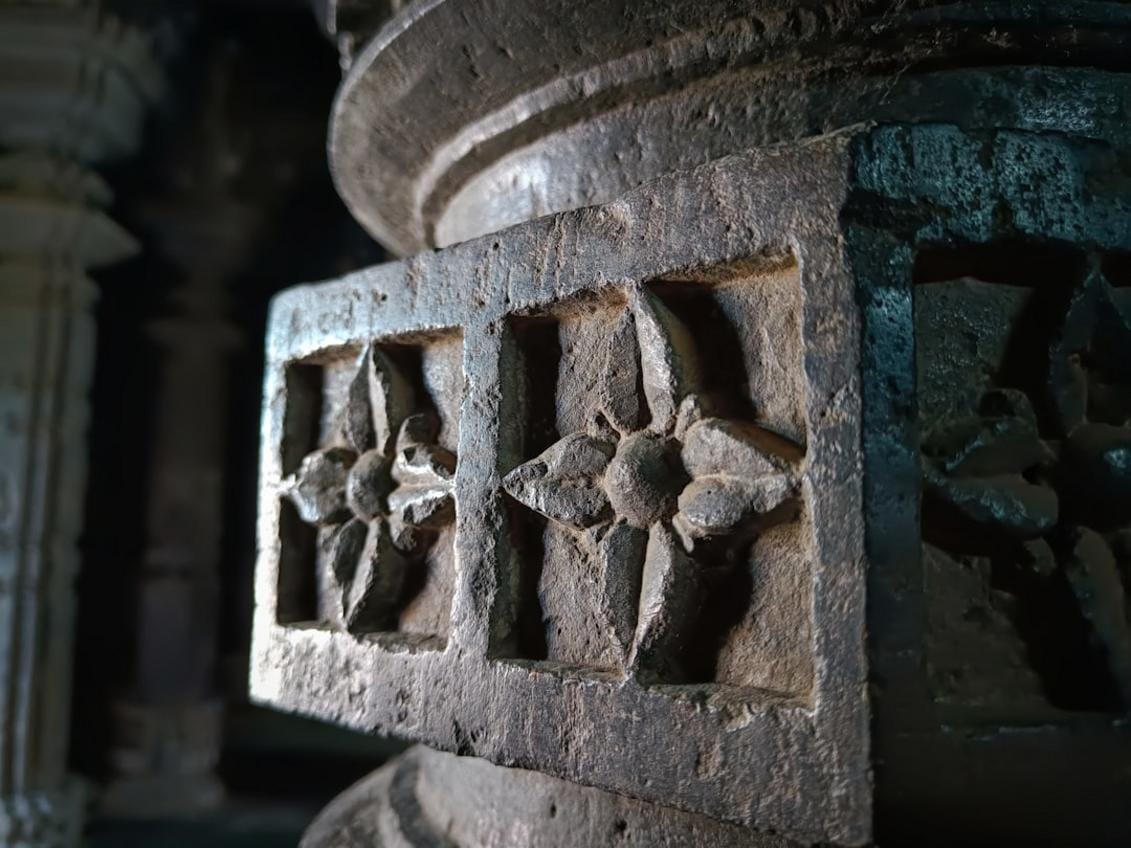
The intricate carvings on Göbeklitepe’s monumental pillars represent some of the earliest known examples of symbolic art created by human hands. These engravings, featuring a variety of animals such as lions, snakes, boars, and birds, as well as abstract symbols, offer valuable insights into the spiritual and mythological world of these early communities. Scholars believe that these motifs were not merely decorative but held deeper significance, perhaps corresponding to mythologies, totemic beliefs, or ritualistic practices aimed at appeasing gods or ancestral spirits. Interestingly, the positioning and variety of these carvings suggest a shared cultural lexicon, hinting at a complex worldview that transcended simple survival. The presence of large animal figures could symbolize totemic entities, embodying power, protection, or fertility, while abstract symbols might carry mystical or cosmological meanings. Decoding these symbols enhances our understanding of prehistoric belief systems and suggests that early humans possessed a rich spiritual language that predates written history. As preservation techniques improve, ongoing studies aim to unravel the symbolic codes etched into these stones, further illuminating the sophisticated mental and cultural landscape of early human societies at Göbeklitepe. The carvings remain one of the most compelling pieces of evidence that spiritual life was deeply intertwined with communal activities long before the rise of agriculture and settled civilization.
Implications for Understanding Human Cognitive and Cultural Development
The discovery of Göbeklitepe dramatically shifts our perception of early humans' capabilities and societal organization. It indicates that Neolithic people were not solely focused on subsistence but engaged in complex spiritual and social activities that required planning and cooperation. The site's construction predates the advent of agriculture, suggesting that the drive for ritual and religious expression may have been a catalyst for societal development, rather than a consequence of farming. This insight opens new avenues of research into how early humans used symbols, built communal spaces, and expressed their beliefs, all before the establishment of permanent settlements. Moreover, Göbeklitepe demonstrates that cognitive abilities such as abstract thinking, symbolic reasoning, and the capacity to create monumental structures existed much earlier than previously thought. It also raises questions about the origins of organized religion and the role of spiritual practices in the consolidation of social groups. The fact that such elaborate construction and symbolism emerged long before the development of writing underscores the importance of shared traditions and beliefs in human history. In essence, Göbeklitepe serves as a window into the minds of our distant ancestors, revealing that their social and spiritual worlds were far more complex and sophisticated than many had imagined, challenging linear models from hunter-gatherers to civilization.