Göbeklitepe Unveiled The Ancient Site That Challenges Our Understanding of Human History
The Significance of Göbeklitepe in Prehistoric Archaeology
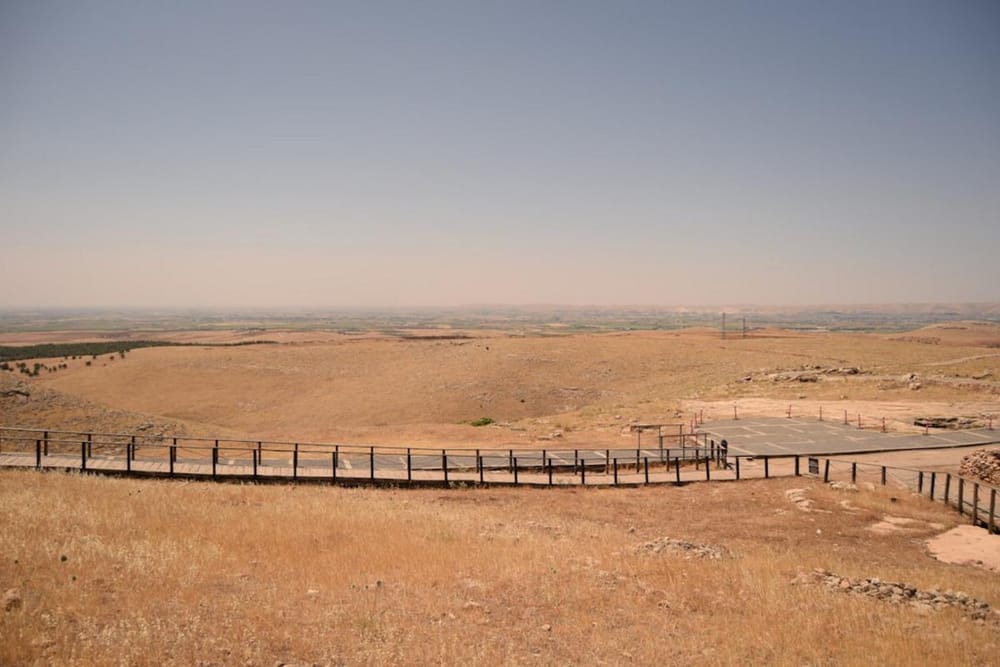
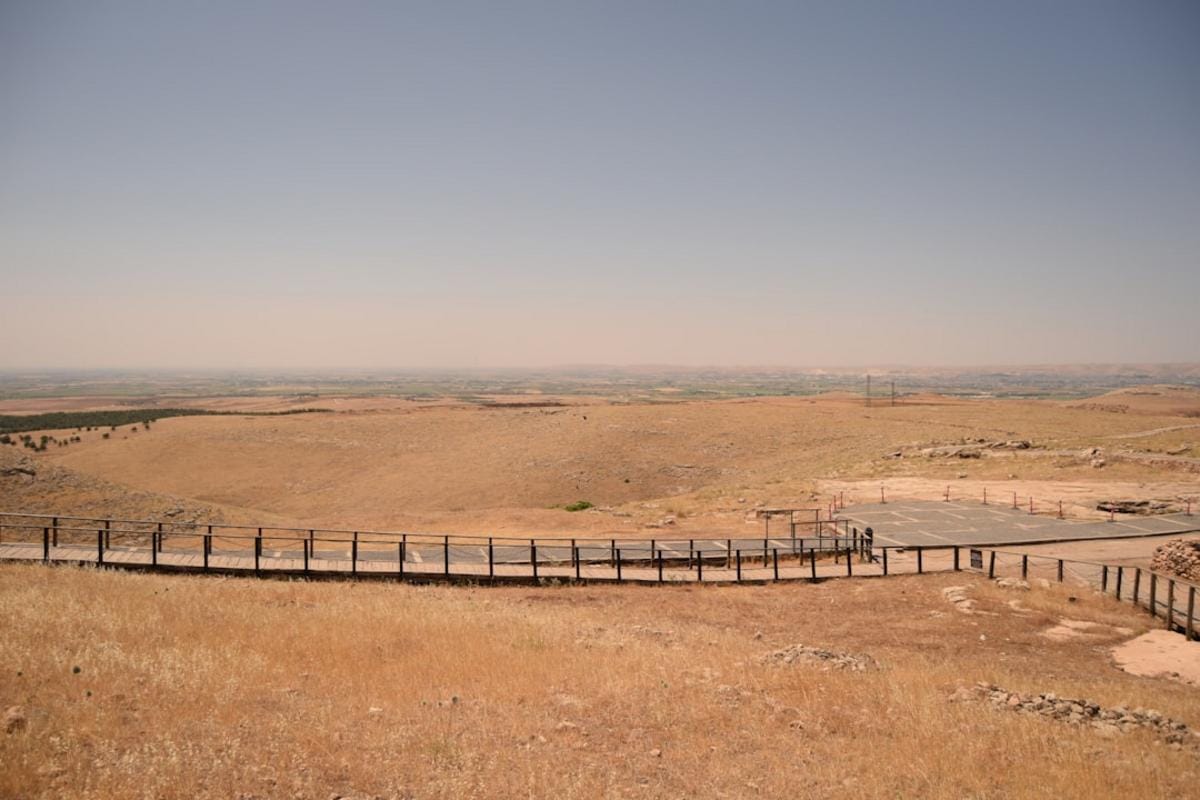
Imagine uncovering a site that predates everything we thought we knew about organized human society, and having it challenge the very foundations of prehistoric history. Göbeklitepe, situated in southeastern Turkey, has indeed done just that. Discovered in the 1960s but excavated extensively since the early 2000s, this archaeological marvel dates back approximately 12,000 years, placing it in the Pre-Pottery Neolithic era. The site consists of massive circular enclosures, Uruk-like T-shaped limestone pillars, and intricate carvings that suggest a complex belief system. Its discovery has ignited a paradigm shift in archaeology, revealing that early humans might have engaged in ritualistic practices and communal activities far earlier than previously thought. Such revelations demonstrate that the focus on survival might have intertwined deeply with spiritual or symbolic pursuits, which challenges the simplistic view of early humans as solely concerned with immediate needs. As excavations continue, researchers are uncovering stone tools, animal bones, and evidence of feasting, all hinting at a sophisticated society with social and religious complexities. The site’s preservation, with some pillars standing over five meters tall and decorated with intricate reliefs, continues to astound experts and laypeople alike, offering a visual window into a world long vanished but still telling stories that reshaped our understanding of human evolution.
Revelations About Early Human Beliefs and Cultural Practices
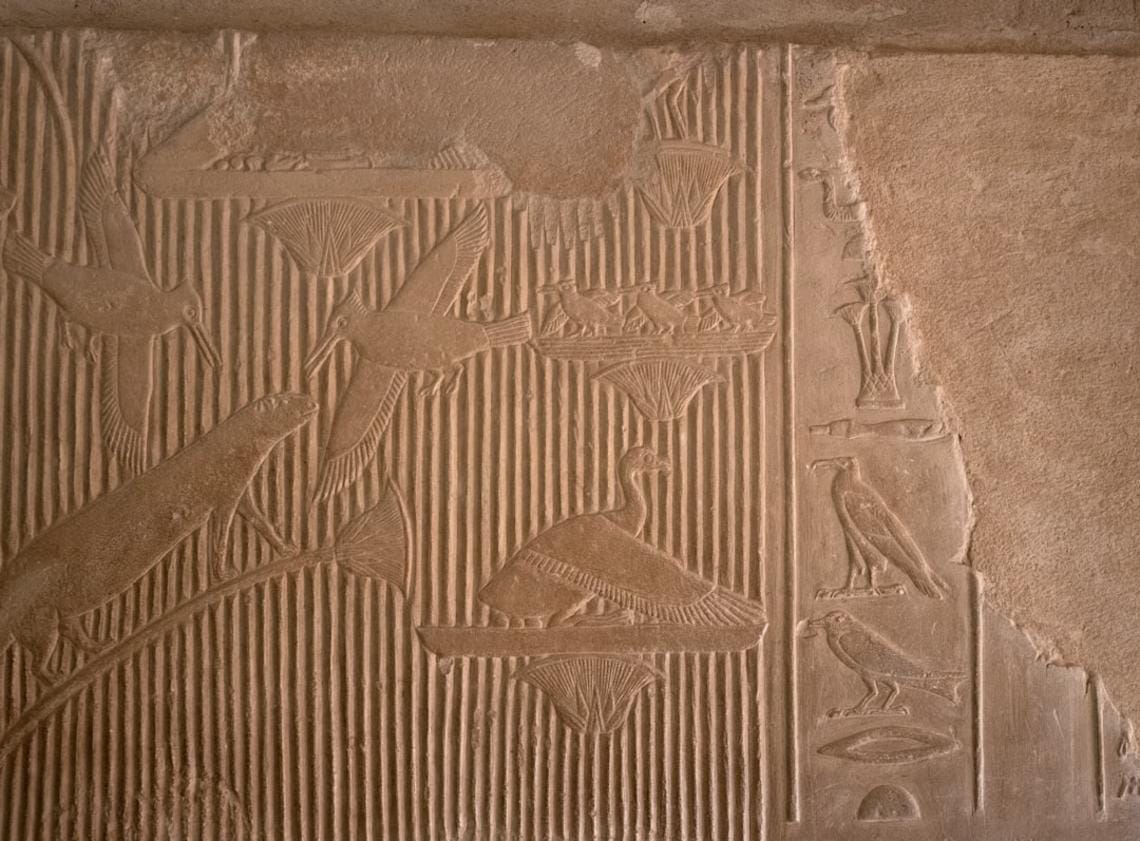
One of the most captivating aspects of Göbeklitepe is its potential role as a spiritual or ritual center, which profoundly influences how we perceive early human cognition. Unlike typical Neolithic sites that are primarily domestic or agricultural in nature, Göbeklitepe’s monumental stones and carved reliefs suggest it was a sacred space dedicated to religious or ceremonial activities. The carvings include animals such as foxes, snakes, and cranes, which might have held symbolic significance, possibly representing mythological stories or spiritual beliefs. These discoveries imply that early humans might have had complex religious notions akin to later civilizations, emphasizing the importance of ritual in social cohesion and cultural identity. Furthermore, the absence of domestic structures within the site indicates that its primary purpose was not daily living but spiritual gathering. This challenges long-held assumptions that early humans solely focused on survival, revealing instead that they might have developed spiritual frameworks much earlier than previously believed. The notion of shared belief systems in such an ancient context provides vital clues about the evolution of human consciousness, social bonding, and symbolic thinking. Curiously, some researchers suggest that Göbeklitepe was deliberately buried around 8000 BCE, possibly as a ritual act or for preservation, adding yet another layer of mystery to this already enigmatic site.
The Ongoing Exploration and Future Implications of Göbeklitepe Discoveries
The archaeological community continues to be captivated by Göbeklitepe’s rich tapestry of discoveries. Modern excavations employ cutting-edge technology such as ground-penetrating radar, 3D mapping, and laser scanning, which allow researchers to delve deeper into unseen layers and understand the site’s construction and purpose more thoroughly. Each new find prompts fresh questions: Were these enclosures part of a larger network of ritual sites? What was the social organization that supported such monumental construction? And perhaps most intriguingly, how does Göbeklitepe reshape our understanding of the timeline of human development? It now appears that complex spiritual and social behaviors emerged far earlier than the advent of pottery or agriculture, which traditionally marked the advancements of civilizations. This pushes back the origins of organized religion and communal rituals, suggesting that spiritual life is embedded into the very fabric of human existence from its earliest stages. As the site is subjected to advanced analysis, including dating techniques and archaeological surveys, scholars anticipate discovering even more secrets about humanity’s ancient past. With international interest and ongoing excavations, Göbeklitepe continues to serve as a bridge linking our modern world to its distant prehistoric origins, inviting us to reflect on the profound depths of human ingenuity and spiritual expression.