Unraveling the Mysteries of Göbeklitepe and Humanity’s Hidden Origins
Göbeklitepe and the Dawn of Human Civilization
Imagine standing before a site that predates even the earliest known civilizations by more than 6,000 years, a place that challenges our entire understanding of human history. Göbeklitepe, located in southeastern Turkey, is a monumental archaeological find that has rewritten parts of the prehistoric narrative. Its circular enclosures feature massive T-shaped stone pillars adorned with intricate carvings, some depicting animals and abstract symbols. What makes Göbeklitepe especially enigmatic is that it appears to have been intentionally buried around 8,000 BCE, leaving behind a trail of questions about its purpose. Was it a religious sanctuary, a ritual center, or perhaps something even more profound? The site’s age, dating back over 11,500 years, greatly predates the advent of agriculture and settled societies, prompting scholars to reconsider ideas about the progression of civilization. This discovery highlights that prehistoric humans might have possessed complex social and spiritual structures far earlier than previously assumed, which could be a vital clue to understanding early human cognitive development. As researchers continue to excavate and analyze, every fragment unearthed at Göbeklitepe promises to shed new light on the mysterious origins of consciousness, community, and belief in human history.
The Architectural Enigma and Cultural Significance
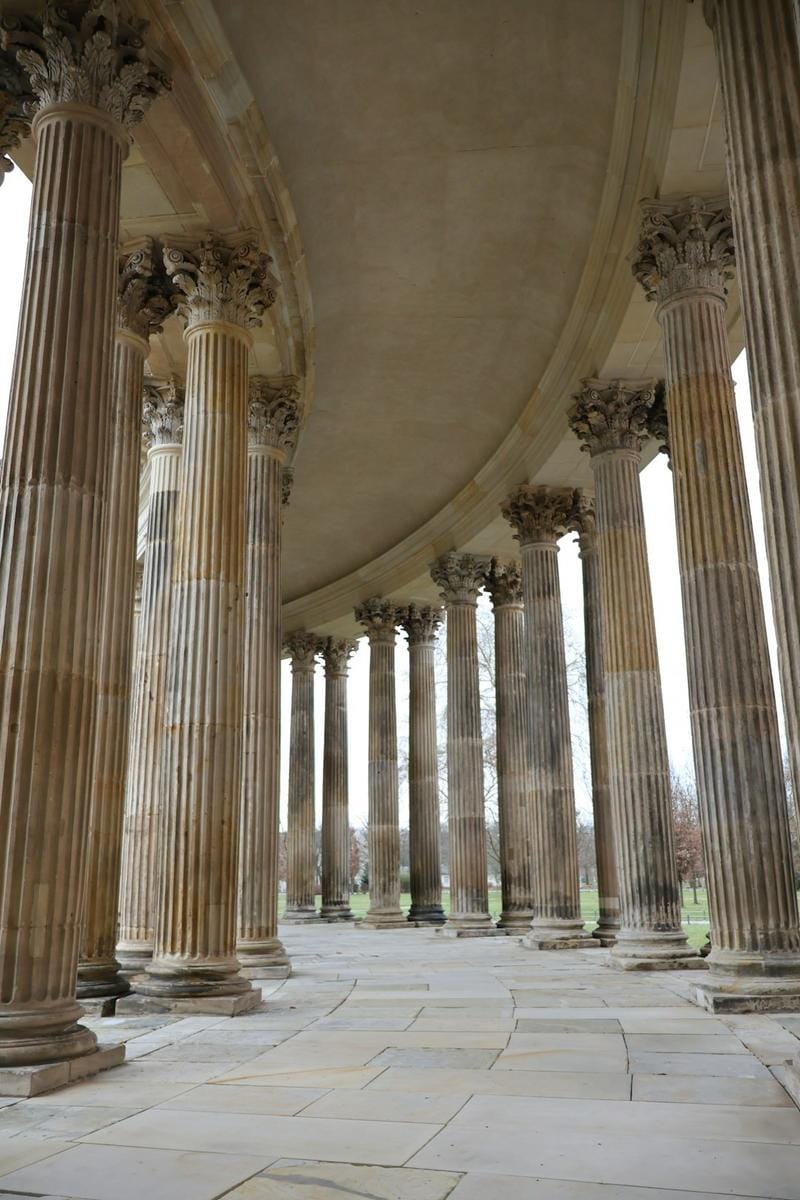
The architecture of Göbeklitepe is as captivating as its purpose. Unlike other ancient sites, it features precisely carved, sophisticated stone pillars arranged in circular formations. The pillars stand up to 18 feet tall and weigh several tons, yet their craftsmanship and layout suggest a highly organized society with advanced woodworking, stonemasonry, and planning abilities. The carvings on the pillars, depicting animals such as snakes, lizards, boars, and deer, provide clues about the ecological environment and possible spiritual beliefs of its creators. Interestingly, there are no signs of domestic life, dwellings, or burial sites, which leads to the theory that the site served purely ceremonial functions. The fact that it was intentionally buried suggests that early humans might have had complex ritualistic practices, perhaps linked to spiritual beliefs or cosmological concepts we are just beginning to understand. This architectural marvel not only pushes back the boundaries of our knowledge but also encourages modern scholars to reevaluate the technological and cultural capacities of early humans. How such a society achieved this precision without metal tools remains one of the most intriguing questions for archaeologists and anthropologists alike.
Mysteries That Continue to Challenge Conventional Histories
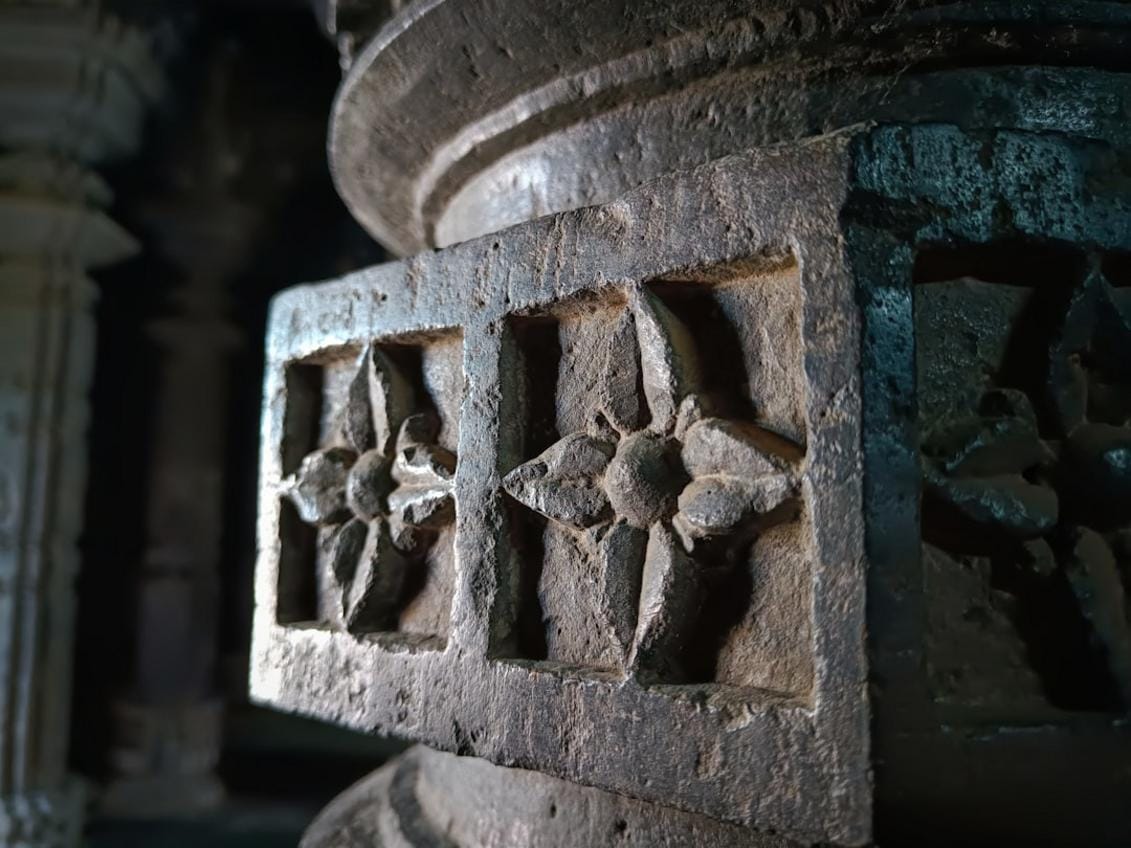
Despite the progress made in understanding Göbeklitepe, many aspects of the site remain shrouded in mystery. The purpose of the site, its builders, and their knowledge remain elusive. Why was such a sophisticated construction built so early in human history, and what does it reveal about the cognitive and spiritual abilities of our ancestors? Some theorize that Göbeklitepe was a central hub for early humans’ spiritual or ritual gatherings, potentially playing a role in uniting disparate groups or fostering shared beliefs. Its deliberate burial also hints at significant ritualistic acts—perhaps an act of reverence or a symbolic reset—yet the exact reasons behind these actions are lost to time. Other researchers suggest there could be genetic or cultural links to other prehistoric sites or ancient mythologies. Ongoing excavations and technological advancements such as 3D imaging and DNA analysis continue to probe these mysteries, leading scholars to increasingly view Göbeklitepe as a missing piece in the puzzle of human origins. Its mysterious nature has intrigued not just archaeologists but also enthusiasts of ancient civilizations worldwide, making it a beacon for those fascinated with the early mysteries that define our collective past.