Ancient Discoveries Set to Redefine Human History in 2025
Groundbreaking Archaeological Finds to Shape Human History in 2025
As we approach 2025, the archaeological community is abuzz with anticipation over a series of discoveries that promise to challenge and expand our current understanding of ancient societies. Recent advancements in technology, such as high-precision ground-penetrating radar and molecular analysis, have significantly increased the pace of excavation success. These innovations enable archaeologists to uncover hidden sites deep beneath the surface without destructive digging, preserving delicate structures and artifacts for further study. Among the most anticipated finds is the potential discovery of lost cities that could date back several millennia, offering unprecedented insights into early human civilizations and their cultural practices. Experts believe that these findings will not only fill gaps in historical records but may also redefine timelines, shedding new light on the origins of human society, complex trade networks, and spiritual beliefs of ancient peoples.
Technological Innovations Enhancing Archaeological Exploration
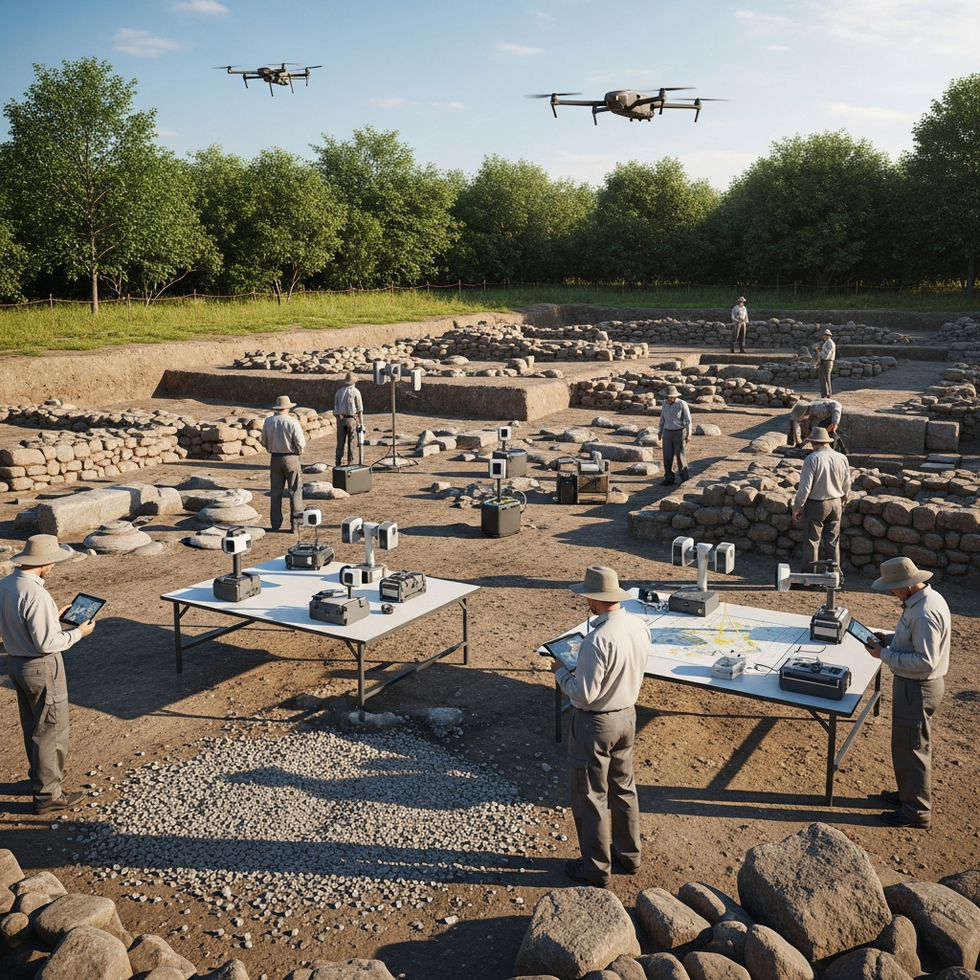
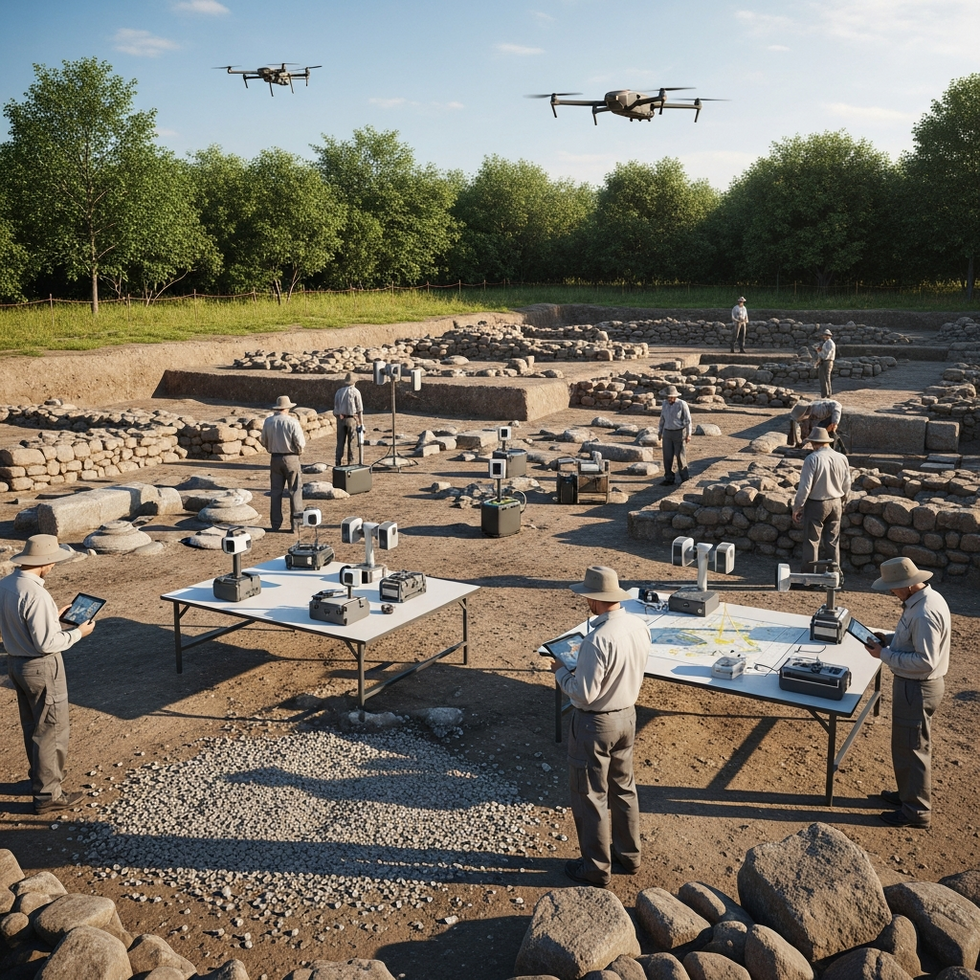
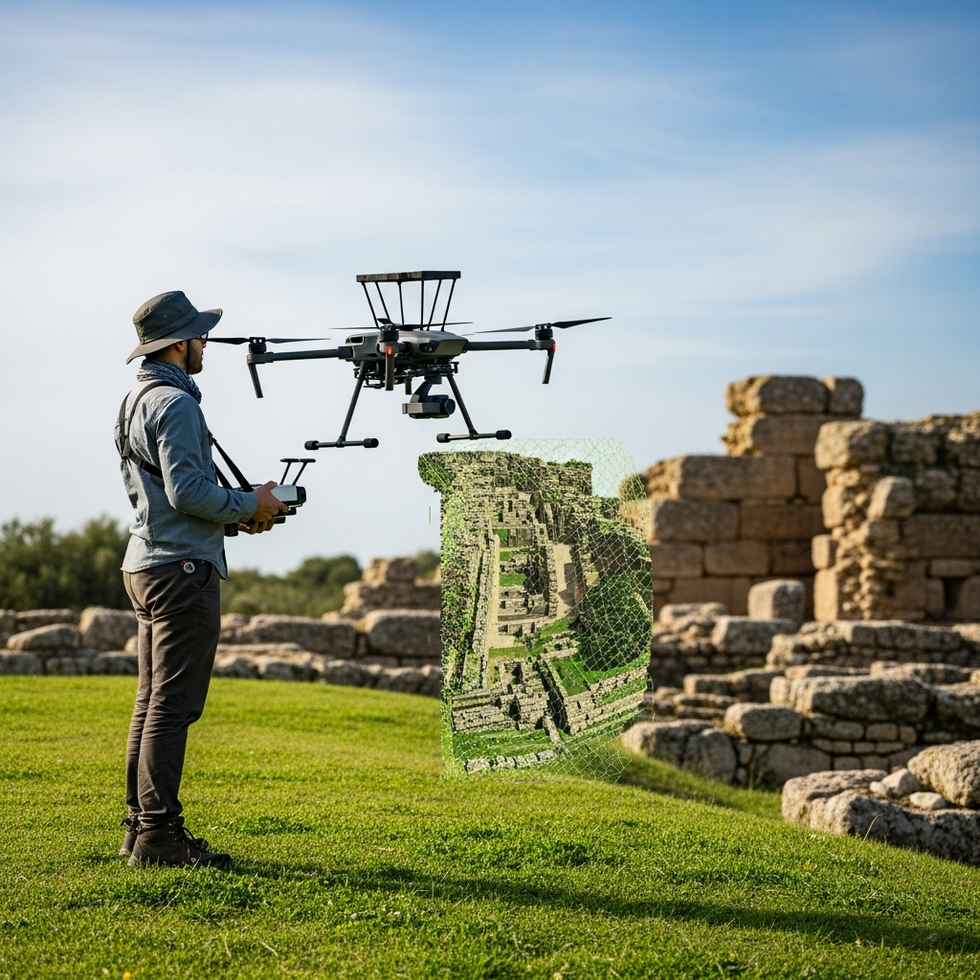
The year 2025 is expected to be a milestone for archaeological research largely due to the rapid development and adoption of cutting-edge technologies. Remote sensing devices, including drone-mounted LiDAR systems, are now capable of scanning dense forest canopies and desert terrains, revealing hidden archaeological features that were previously inaccessible. At the same time, advancements in DNA analysis are allowing scientists to trace ancient populations with remarkable accuracy, reconstructing migration patterns and interbreeding events. This fusion of technology not only accelerates the discovery process but also provides a wealth of detailed data that researchers can analyze to draw more accurate conclusions about the past. The integration of digital tools like 3D modeling and virtual reality ensures that these discoveries can be shared with the global community, making archaeology more accessible and engaging for the public and academia alike.
Major Sites and Structures Expected to Emerge
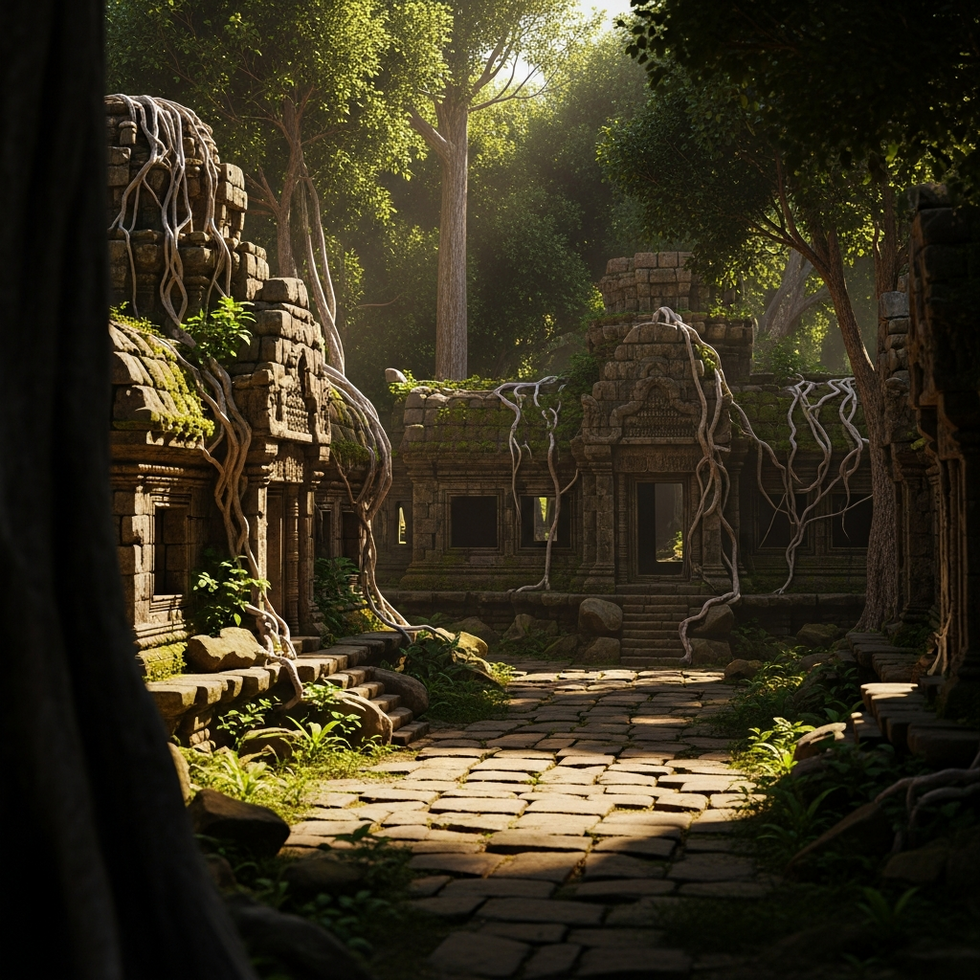
One of the most exciting aspects of the upcoming year is the potential uncovering of entire lost cities buried beneath modern landscapes or remote wilderness areas. Several well-funded projects across Egypt, Central America, and Southeast Asia are targeting locations believed to harbor remnants of ancient metropolises. These sites potentially contain palaces, temples, and marketplaces, which could revolutionize our understanding of regional power dynamics and cultural exchanges. For instance, the planned excavation of a large city in the Amazon basin might provide clues about early urbanization in the Americas. Furthermore, discoveries of monumental architecture, such as massive stone gateways or intricate temple complexes, could provide direct links to the religious beliefs and social hierarchies that shaped these civilizations. As these sites come to light, they promise to reshape the archaeological map and deepen our appreciation for human ingenuity and resilience.
Implications for Cultural Heritage and Global History
The anticipated discoveries in 2025 are not only promising to fill historical gaps but also carry significant implications for cultural heritage preservation worldwide. As new sites are uncovered, there is an urgent need for effective strategies to protect and manage these valuable resources amid increasing threats from environmental changes and urban development. International organizations like UNESCO are continuously working to establish legal frameworks that safeguard historical sites for future generations. Moreover, these discoveries are fueling a broader dialogue about the importance of heritage in fostering social cohesion and identity, especially in regions where cultural legacies face modern challenges. As we uncover more about our past, we also unlock the potential to inspire future generations to value and preserve their history, ensuring that these treasures of humanity continue to educate and inspire.