Ancient T-Shaped Stones Discovered in Adıyaman Suggest Connection to Göbeklitepe Culture
Uncovering a Hidden Chapter of Turkey's Prehistoric Past
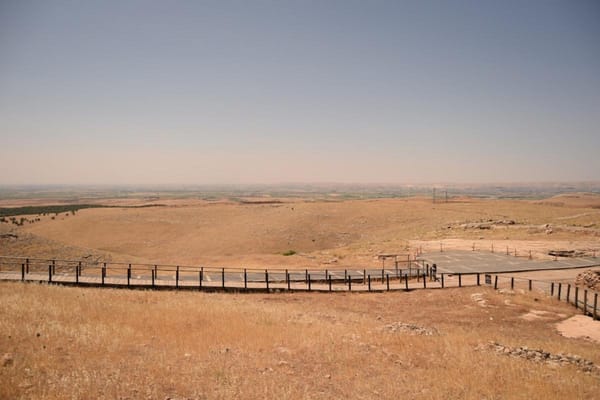
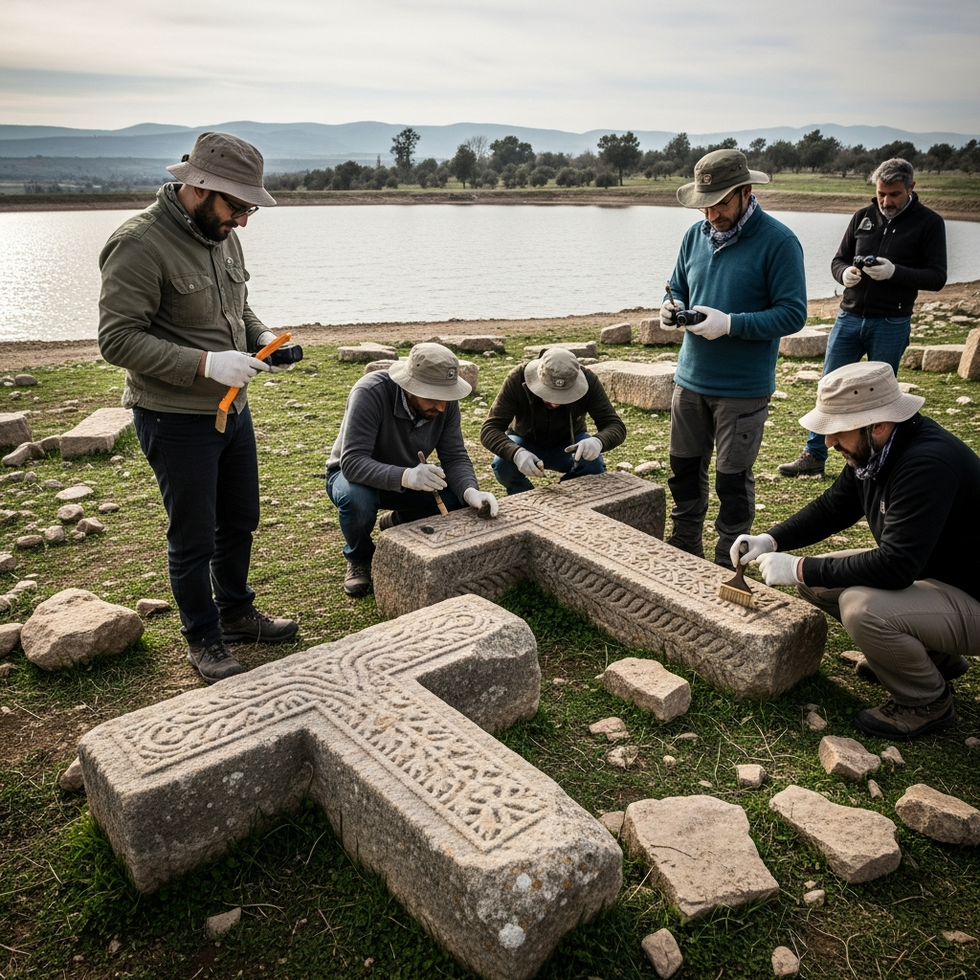
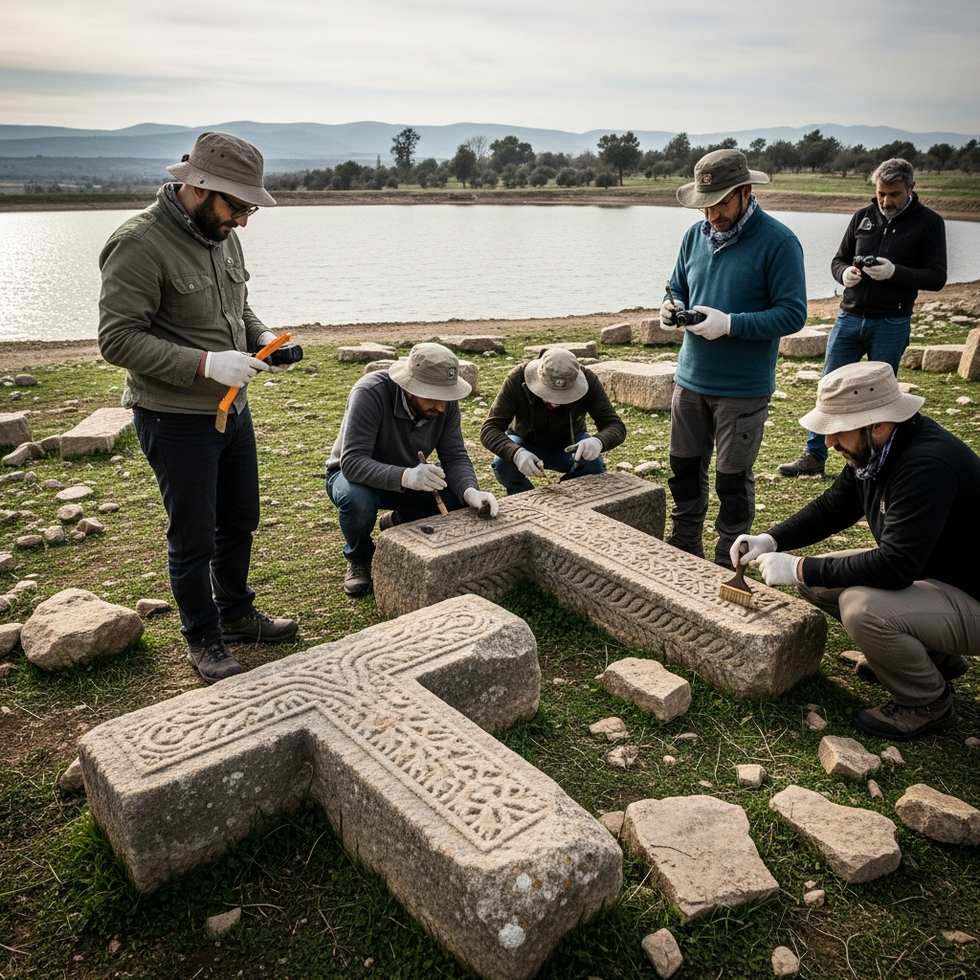
A fresh wave of discoveries near Adıyaman's southern edge has sparked interest among scholars recently. When the water sank low due to changes at the Atatürk Dam pool, workers found something unexpected - a cluster of well-preserved T-form stones lying exposed. Their shape echoes the famous examples seen at Göbeklitepe, where evidence of ancient worship dates back thousands of years. That link makes the spot stand out in early human ritual landscapes. A look beneath the surface reveals pieces of a long-lost world from people who lived near here about 11,000 years back, maybe even before Göbeklitepe appeared or walked alongside its earliest times. Finding structures like those unites a sense that the beliefs and rituals linked to Göbeklitepe’s dwellers spread further than many assumed. This fresh location might clarify missing parts about how ancient groups structured life, built holy areas, while shaping views using large stone shapes. Right now, work focuses on saving what we can see while studying each piece carefully. Because these remains exist, it becomes clearer how vast and meaningful this part of human history truly is. This find marks a new chapter in recognizing Turkey’s role in earliest human life. What happens next depends heavily on uncovering hidden truths buried under time and rock. With tools like geologic testing and age analysis improving daily, scientists believe results here might redraw old ideas about ancient communities across Anatolia and further into the Middle East.
Significance of the Discovery and Connections to Göbeklitepe
Out near Adıyaman, odd T-shaped stone setups have drawn comparisons to what stands at Göbeklitepe - a place long viewed as key to grasping ancient beliefs and group life. Scientists now agree these stones resemble each other in shape, plus likely origin. Situated close to older sites such as Perre, the area gains weight, hinting complex worship areas and shared meeting spots may have existed across Neolithic Anatolia more often than assumed before. Water pulling back from shorelines played a key role in revealing what lay hidden beneath earth for thousands of years. Because rivers shift or tides rise, ground cracks open, showing things humans long forgot existed. When rain softens thick layers of dirt, ancient shapes come into view without warning. Nature herself - unpredictable, moving - peels back centuries of covering up. People such as Professor Sabahattin Ezer argue these remains, possibly dating near 11,000 years, help piece together how people moved from small groups to complex groups over time. If digging goes on and science studies it more, hidden stones, objects, maybe written signs might come to light - changing how much we thought was clear about ancient faiths and power in that area.
The Broader Cultural Implications for Anatolia and Human History
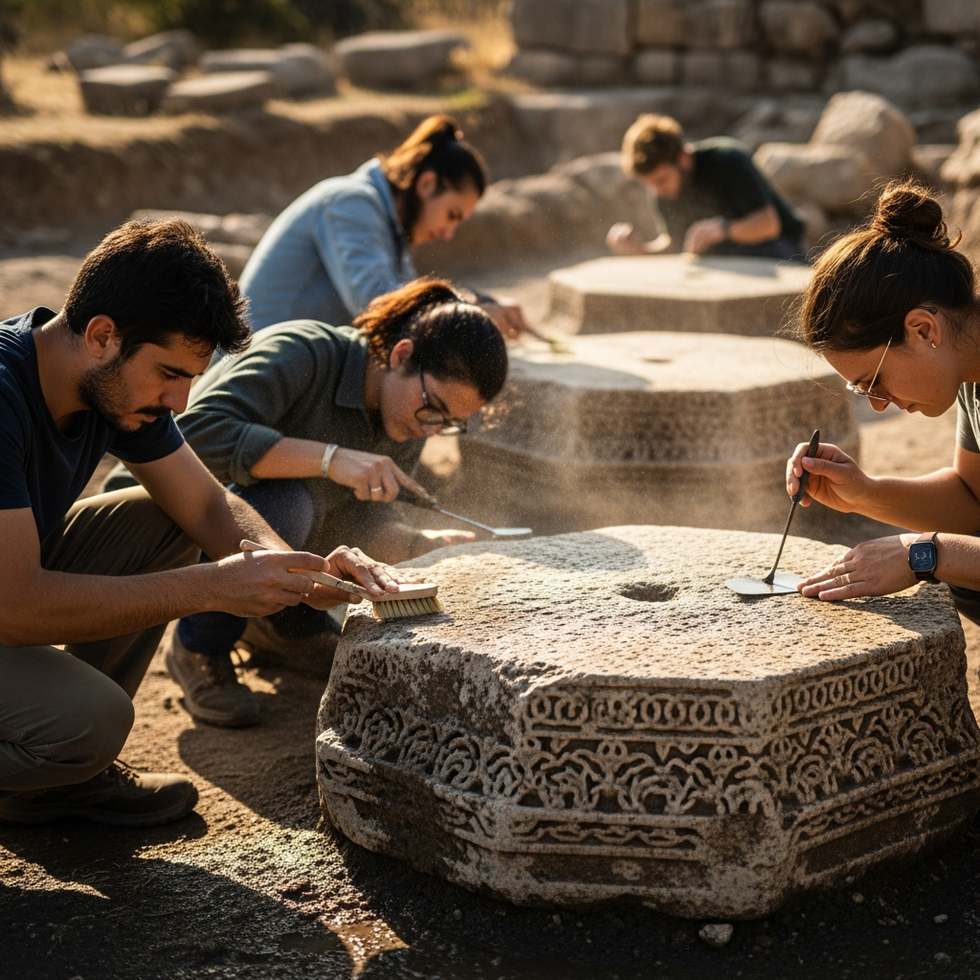
A fresh discovery in Adıyaman adds depth to Turkey’s rich archaeological heritage, while also questioning long-held views on how advanced cultural patterns spread during ancient eras. Structures much like those seen at Göbeklitepe - including tall pillars shaped like T’s - appear elsewhere in the area, hinting at mutual influence among early communities across Anatolia. These shared customs might point to a web of primitive human groups, united not by location but by common beliefs and practices. Still, they could have marked times when people came together - maybe for ceremonies, star watching, or just sharing meals. Think about how teams today protect old things - places like the Adıyaman Museum are still working hard to record every detail before nature takes its toll again. What we find hidden underground often surprises us, showing how much earth itself can reveal about where humans first walked. Watching closely and using better tools helps uncover pieces long buried beneath years, silence, and shifting ground.