Ancient Tools and Techniques Used at Göbeklitepe
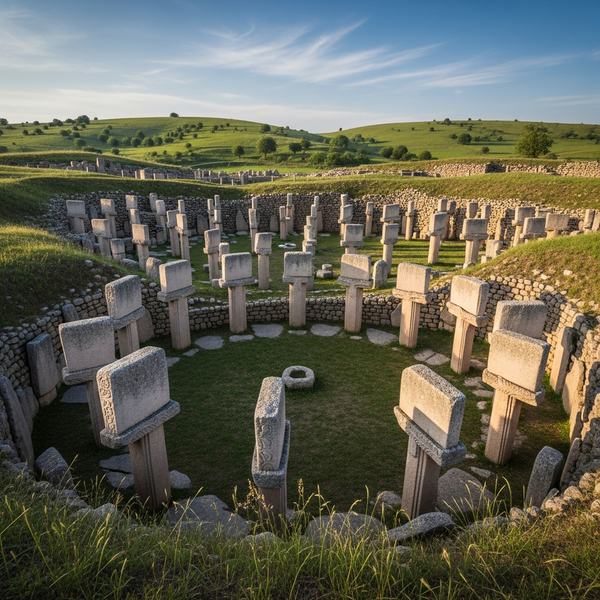
Nestled on a rugged plateau near Şanlıurfa in Turkey, Göbeklitepe is not only the world's oldest known temple but also a treasure trove of ancient technologies. Constructed over 12,000 years ago, this site predates pottery, metal tools, and even written language, presenting archaeologists and historians with questions about the technologies and tools used by these Neolithic builders. This section explores the ingenious methods believed to have been employed to create this monumental site, shedding light on a civilization far more advanced than previously conceived.
Stone Tools and Their Uses
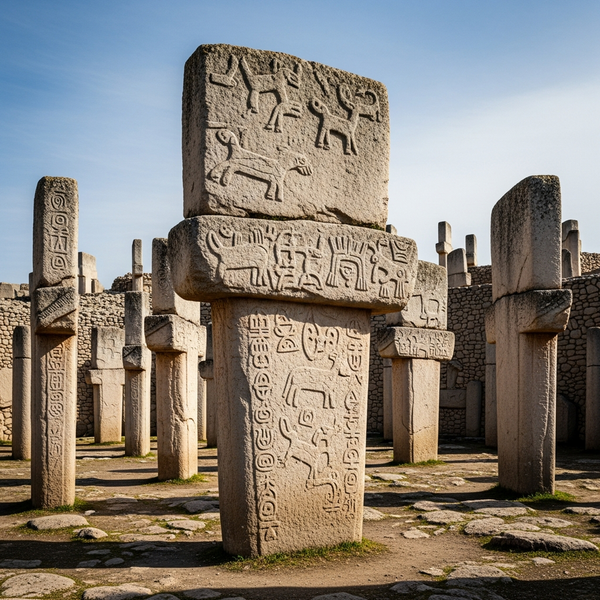
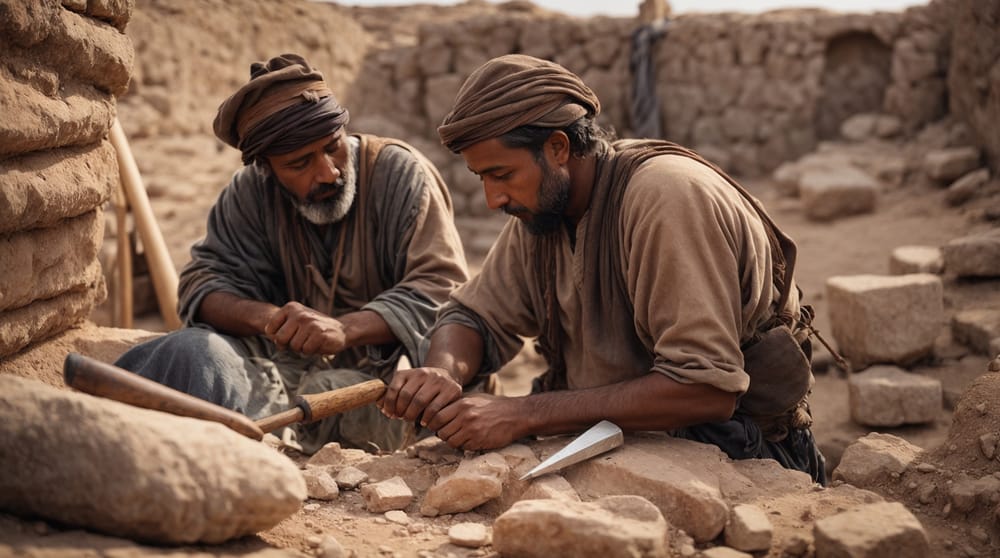
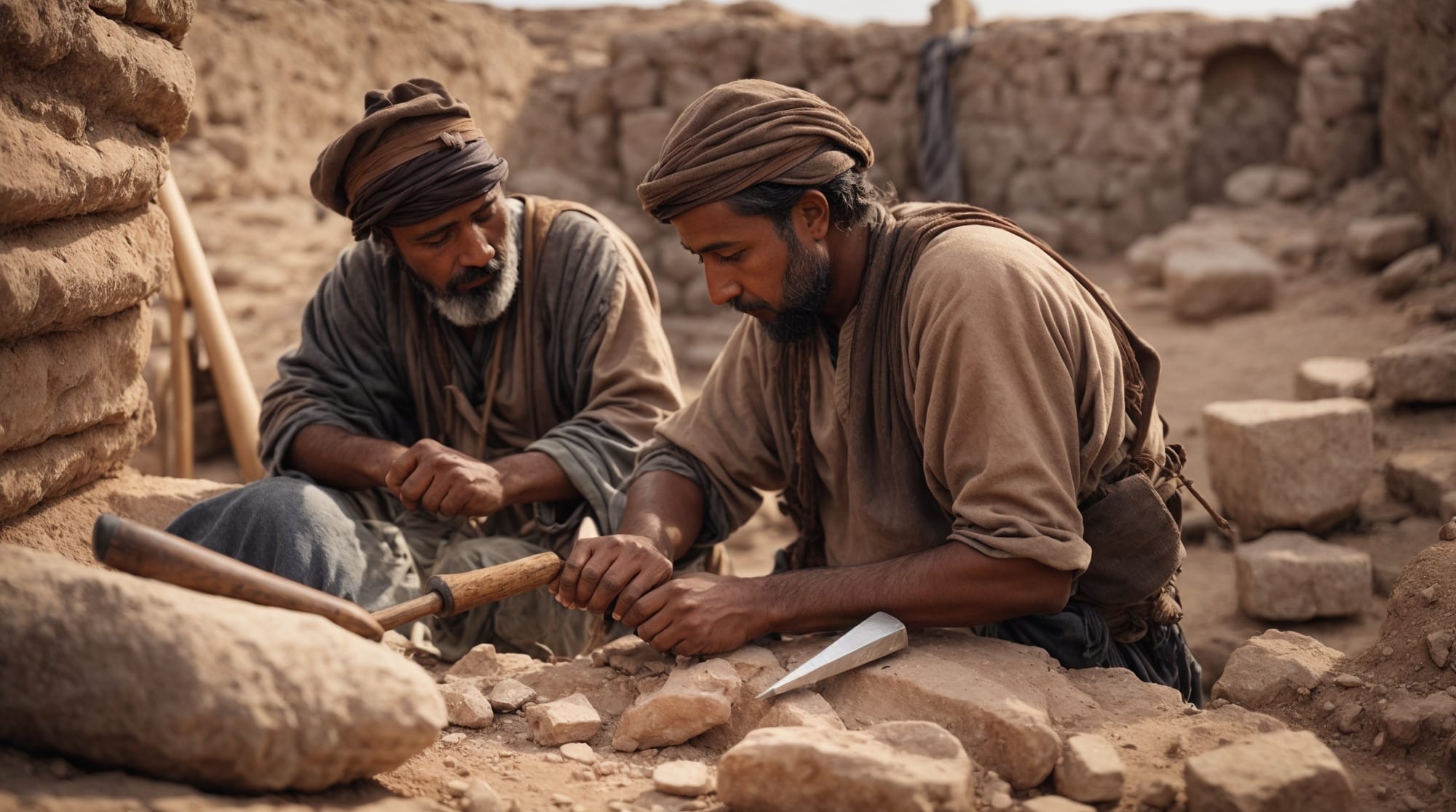
The primary material available to Göbeklitepe's builders was flint, a hard stone that can be flaked and shaped with precision. Archaeological evidence suggests that Neolithic crafters were adept at creating a variety of flint tools, which were crucial in carving and shaping the site's massive T-shaped pillars. Advanced techniques in flint tool production included direct percussion, pressure flaking, and perhaps even early forms of heat treatment, showcasing their advanced understanding of material properties.
Understanding Construction Techniques
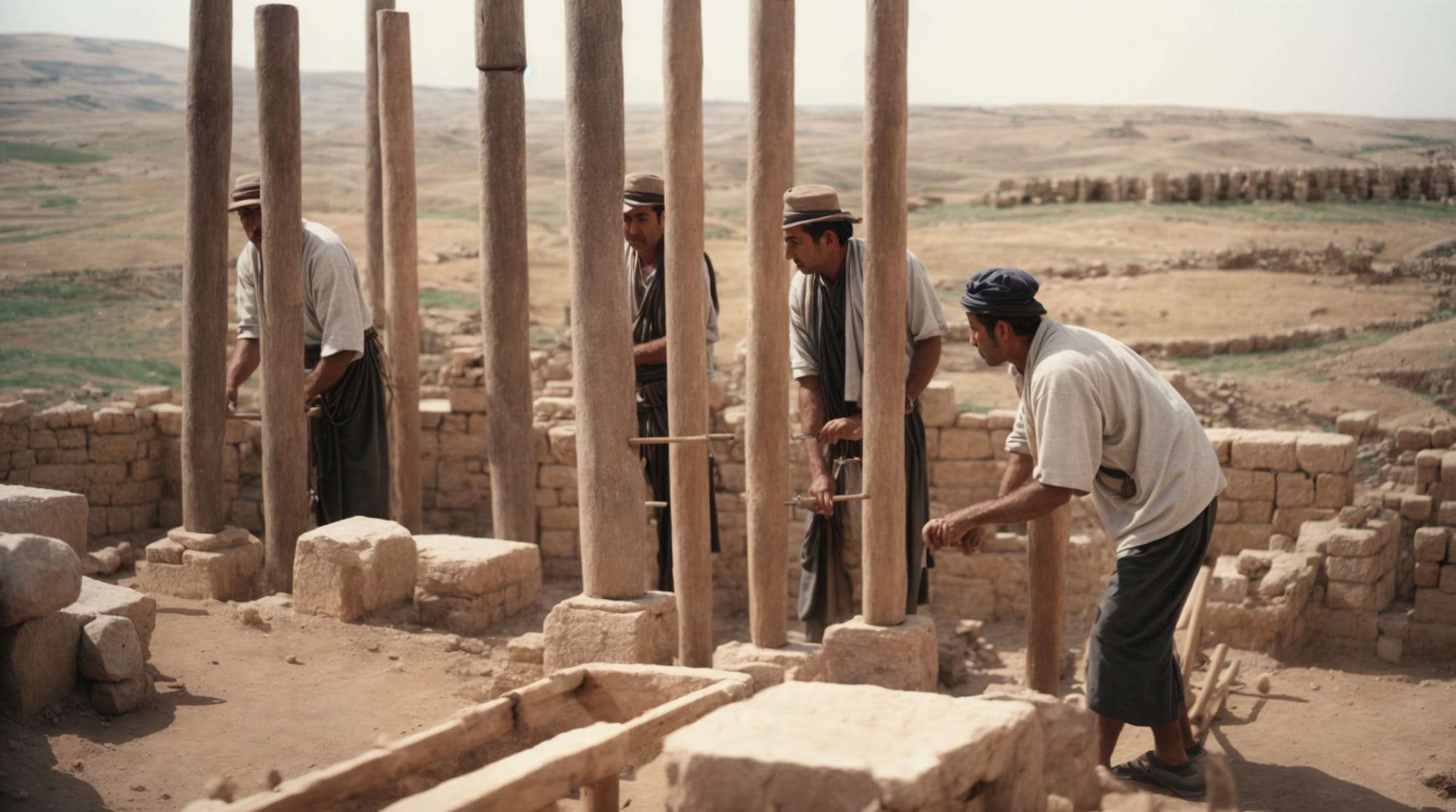
How were the massive, multi-ton stone pillars erected without modern machinery? The answer may lie in a combination of manpower, wooden levers, and ropes made from twisted plant fibers. Leveraging large groups for coordinated team lifting, and possibly utilizing the natural slope of the hill for easier movement of stones, the builders of Göbeklitepe demonstrated impressive engineering skills. This coordinated effort showcases their sophisticated social organization and capability in project management.
The Role of Community in Construction
The enormous scale of construction at Göbeklitepe also implies a well-organized community with a clear division of labor. The planning and execution required for such a massive undertaking suggest that the society had some form of leadership and hierarchical structure capable of mobilizing a large labor force and managing resources effectively. These social structures were crucial to the successful creation of Göbeklitepe, demonstrating that their societal organization was as advanced as their architectural accomplishments.