Berlin Hosts Major Exhibition Highlighting Gobeklitepe as a Symbol of Community Formation in Human History
The Significance of the Gobeklitepe Exhibition in Berlin
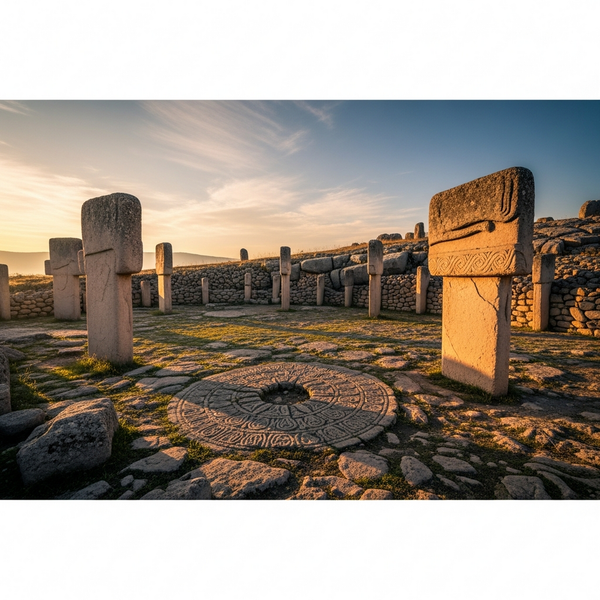
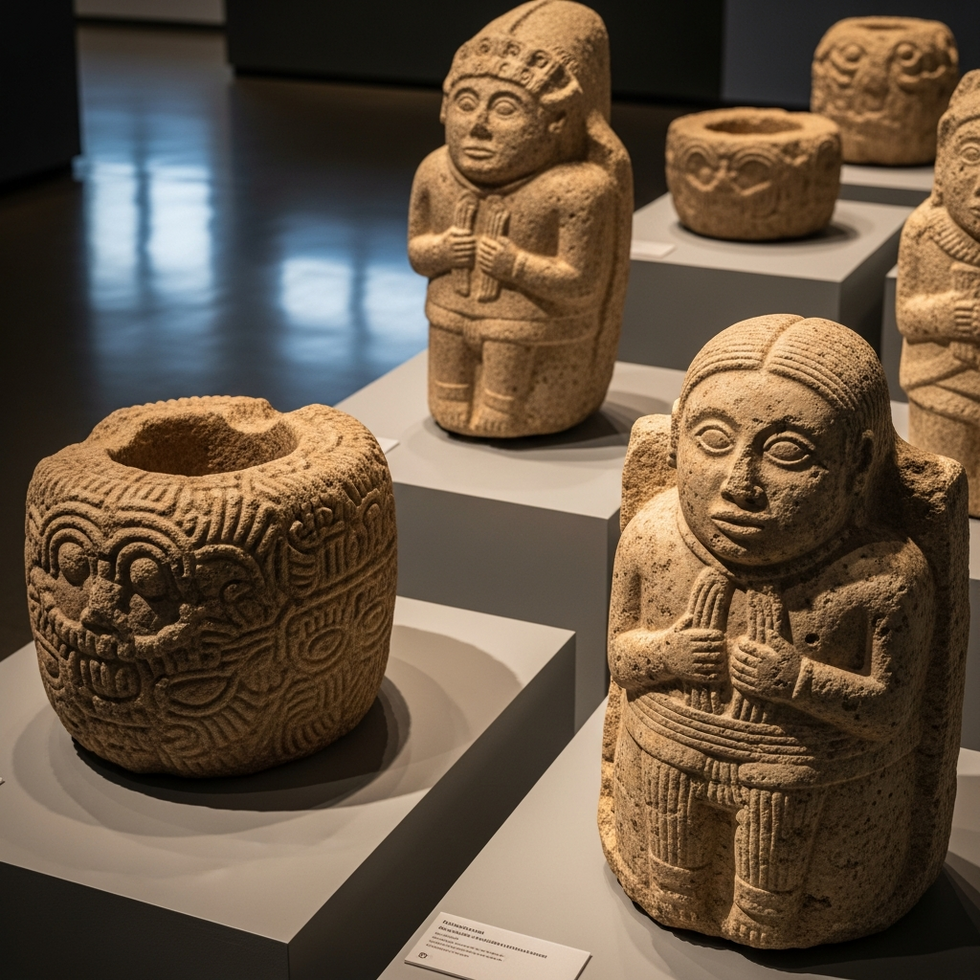
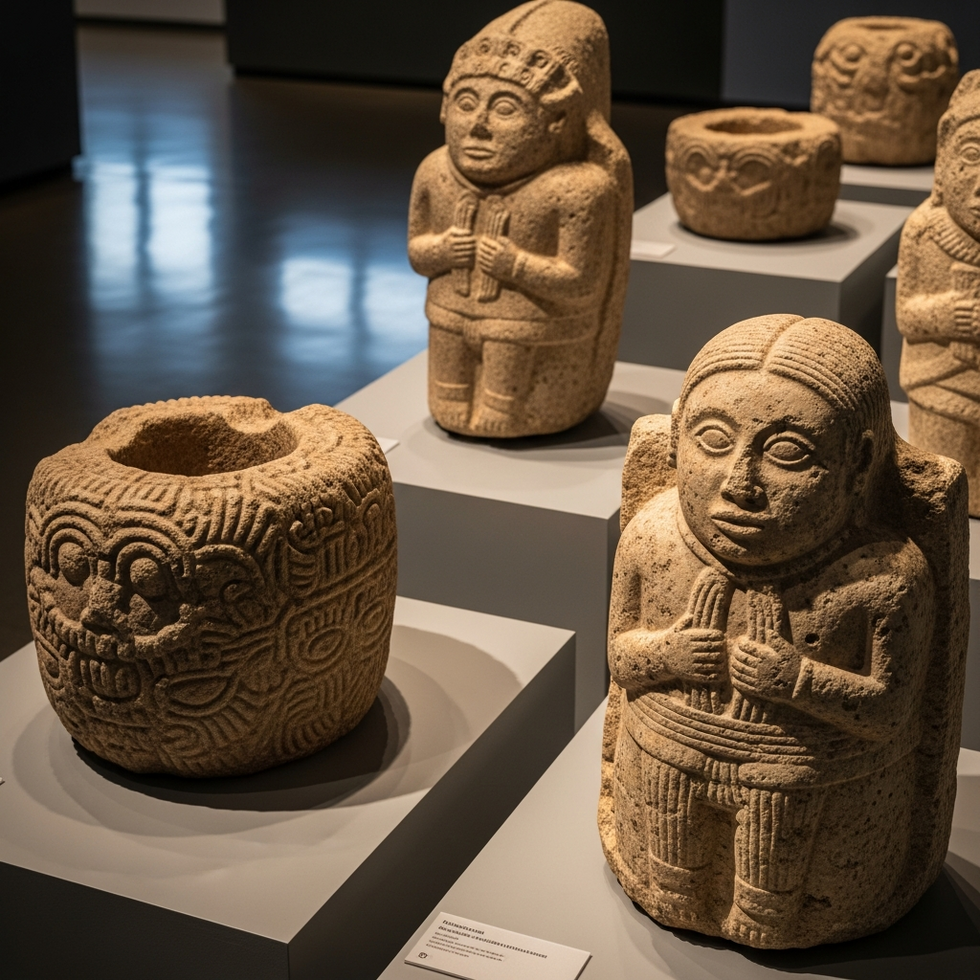
Out in Berlin, a new show just launched at the Museum of the Ancient Near East - Gobeklitepe takes center stage. This event, called “Building Community: Gobeklitepe, Tas Tepeler and Life 12,000 Years Ago,” does far more than show old objects. Instead, it tells how people first came together, long ago near Urfa. Through ninety-three key items placed thoughtfully throughout the space, visitors see ancient groups not as isolated loners but as lively networks. These gatherings had shared customs, meanings, ways of being - the quiet beginnings of cities, cultures, life as we now know it. Modern art photos by Isabel Munoz slip into the story, creating a quiet link between old rituals and how people now see their past. This move stands as one part careful global messaging, highlighting Turkey’s role in shaping knowledge of early humans while opening talks with research centers across Europe.
Contextualizing Gobeklitepe Within a Broader Regional Network
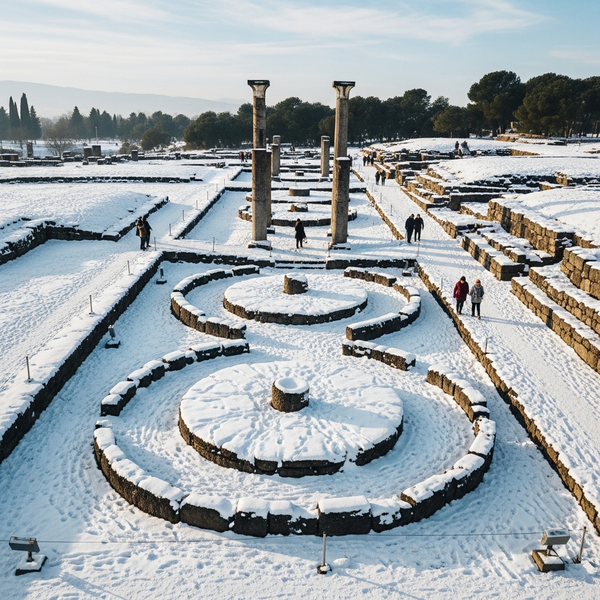
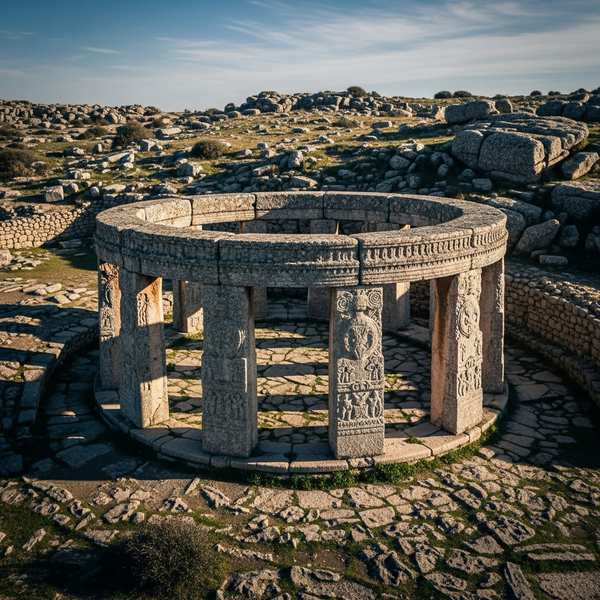
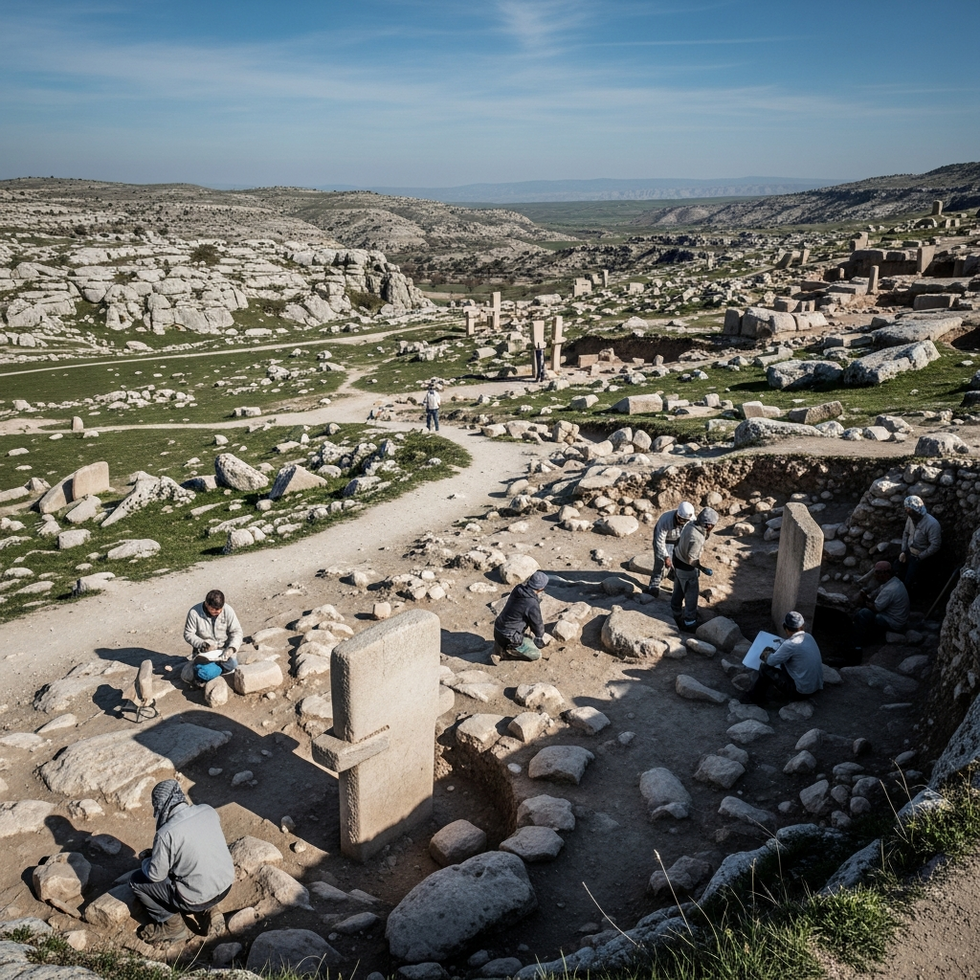
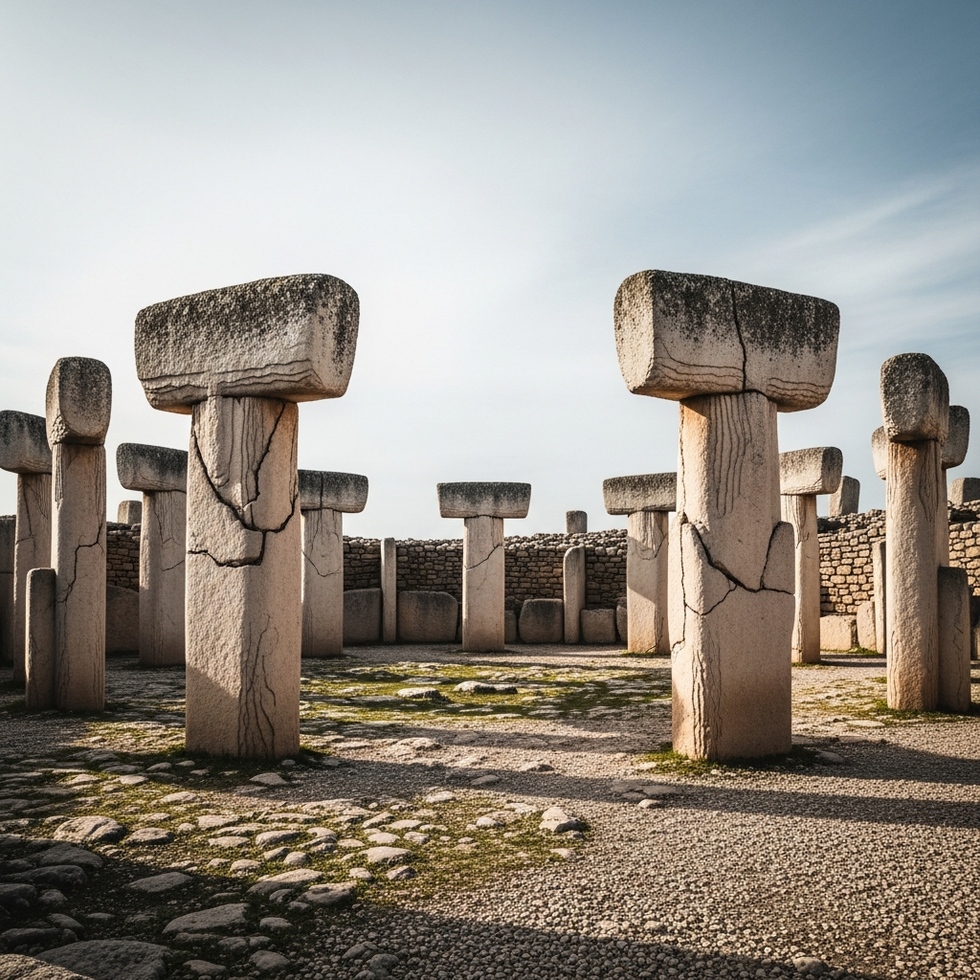
What stands out is how the show frames Gobeklitepe among dozens of linked spots across Turkey. Instead of treating it like a lone wonder, viewers see it as one piece in a vast tapestry of ancient gathering places. About thirty similar areas make up this broader pattern known as Tas Tepeler. This wider lens changes everything - no longer just about one temple, but about how people moved, met, and lived together thousands of years ago. Far from being only a holy site, it likely played a quiet role in weaving communities through shared moments and possibly even simple hierarchies. Looking at things this way fits well with how archaeologists think today - seeing old sites not alone but tied into web-like nature and human communities. Cooperation between nations gains strength when digging and studying keep unfolding what ancient groups believed and how they organized lives.
The Role of Art and Photography in Deepening Historical Understanding
What stands out at the Berlin show is how it weaves in Isabel Munoz’s recent photographs, showing what Gobeklitepe truly represents. These strong visuals close the deep time gap between old stone circles and now, pulling today’s viewers closer to those ancient places. By using images this way, the story hits harder when sharing cultural roots across ages. Emotion rises naturally as people glimpse how early groups lived and gathered long ago. Still, it makes people wonder what role pictures - from old rock drawings to today’s snaps - play in how societies remember and imagine Stone Age beings. By using images this way, the tale moves beyond standard academic accounts, turning lifeless relics into living moments that pull audiences deep, reshaping talk among experts while also changing how others see the past.
Implications for Contemporary Heritage Management and International Relations
Take, for instance, how museums now help shape global relations through shared culture and quiet influence. Showing ancient artifacts from Türkiye in faraway cities shifts attention toward its position at the forefront of uncovering ancient civilisations. Working alongside officials like those from the Ministry of Culture, along with groups such as Turkish-German archaeological teams, shows that protecting history involves more than storing old items - it includes building common understanding across nations. From the start, government figures showed up - not just to open the exhibit but to highlight what it stands for: ties between nations shape even science like archaeology. Their presence points to how digging up old sites ties into power, self-image, and who gets to share stories. Efforts like this one peel back layers of Türkiye’s deep past, quietly weaving global connections into the fabric of heritage.