Deciphering Göbeklitepe's Stone Narratives
Introduction to Göbeklitepe's Intriguing Past
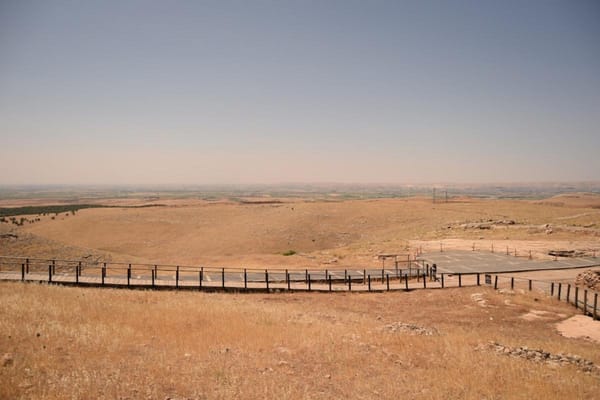
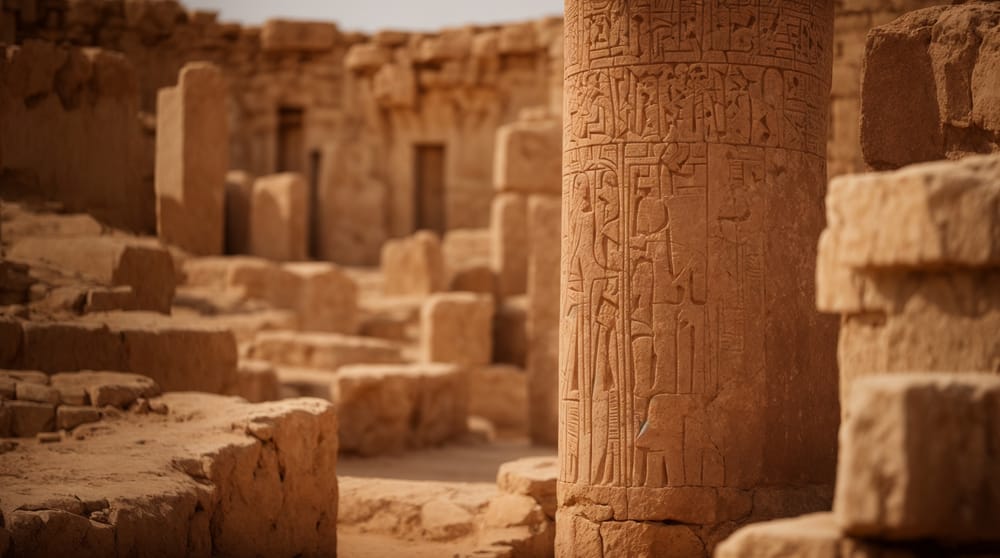
Göbeklitepe, situated in southeastern Turkey, stands as one of the most compelling archaeological sites worldwide, shedding light on the Neolithic era. This site predates Stonehenge by over 6,000 years, redefining our understanding of prehistoric human activities. The discovery of Göbeklitepe suggests that hunter-gatherer societies could organize and create monumental structures, reflecting advanced social structures and spiritual beliefs. These stone pillars, carved with remarkable precision, display a variety of animal depictions and abstract symbols, which possibly denote early forms of communicative expression.
Analyzing the Symbolism Behind Stone Carvings
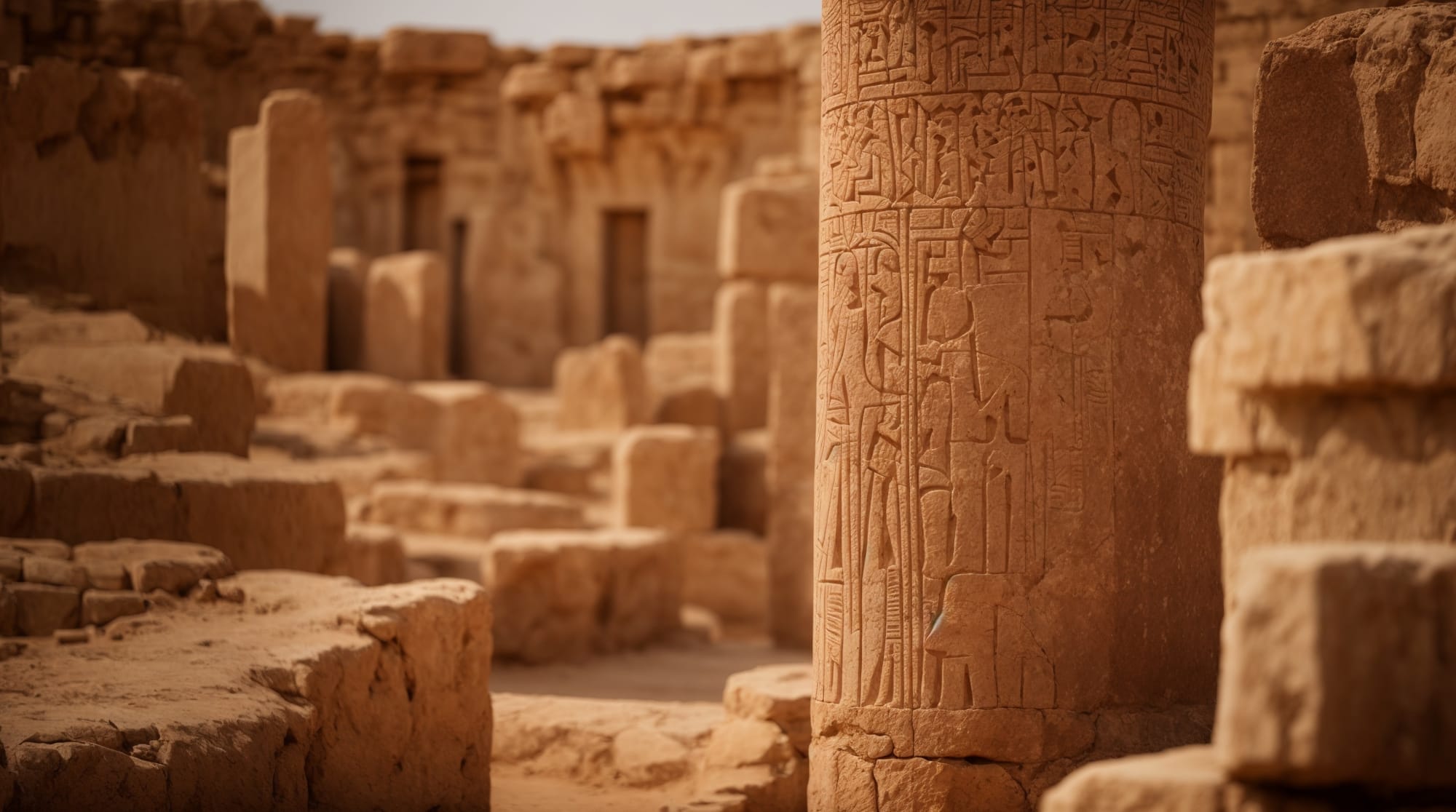
The mysterious carvings and symbols found on the massive stone pillars at Göbeklitepe may represent a form of prehistoric storytelling or record-keeping. These symbols could provide insights into the belief systems and social norms of the cultures from over 10,000 years ago. Some theories suggest that these carvings depict constellations or calendar systems, indicating a sophisticated understanding of astronomy. The recurring depictions of animals, such as foxes, lions, and birds, are thought to hold spiritual significance, potentially acting as totems or spiritual guides for the Neolithic people. This symbolic richness mirrors the complexity and depth of early human societies.
The Architectural Genius of Göbeklitepe
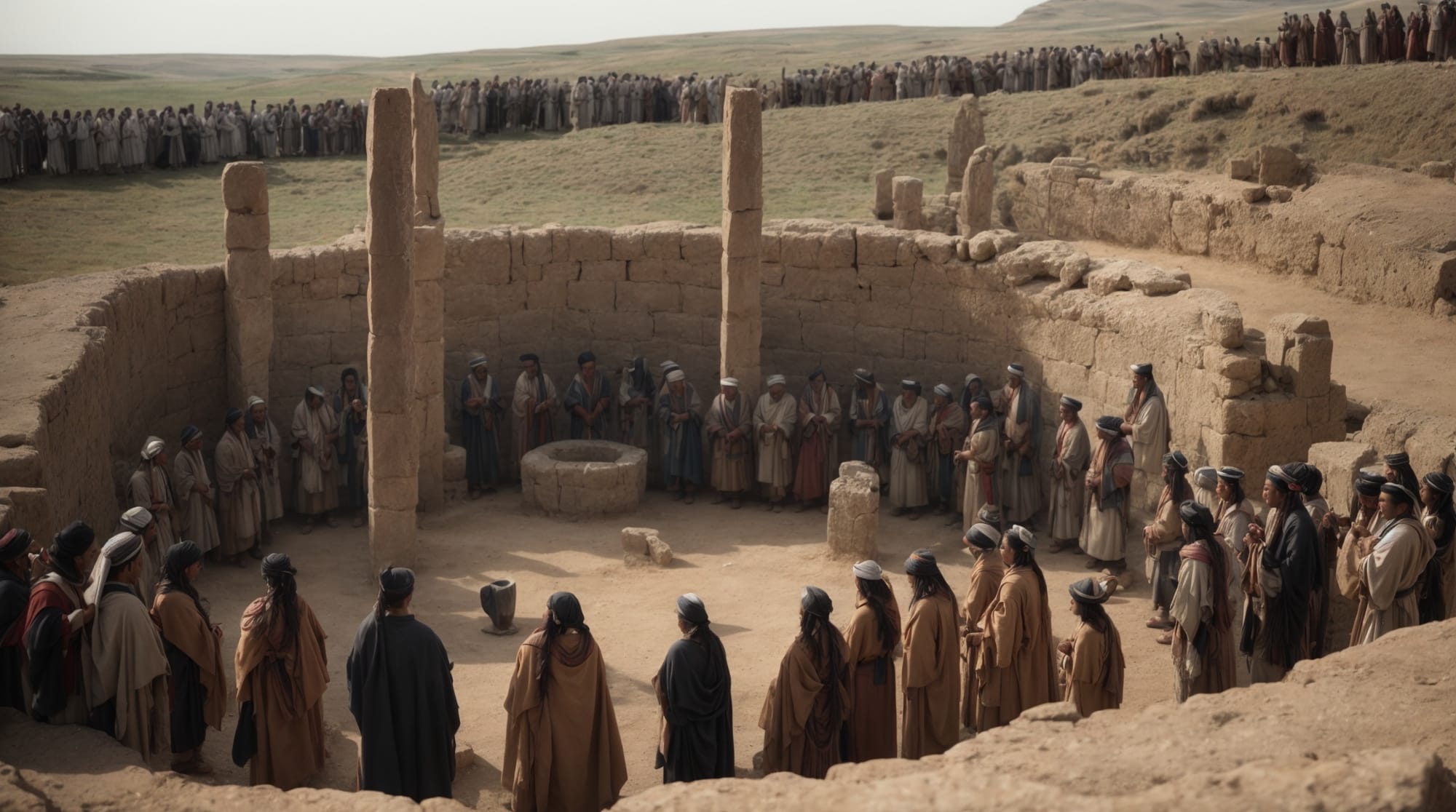
The construction of Göbeklitepe reflects an extraordinary level of prehistoric engineering and architectural planning. The T-shaped pillars, some standing over 5 meters tall and weighing several tons, required advanced techniques and tools to quarry, shape, and erect. The circular arrangement of these pillars suggests a communal purpose, possibly for religious or ceremonial rituals. The precision with which these stones were placed, aligning with certain stars and the solstice, highlights an advanced grasp of astronomy that challenges our modern understanding of prehistoric capabilities.