Delving into the Prehistoric Enigmas of Göbeklitepe
Unearthing the Origins
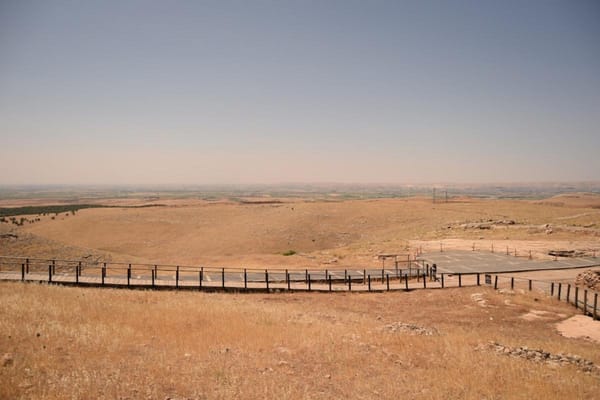
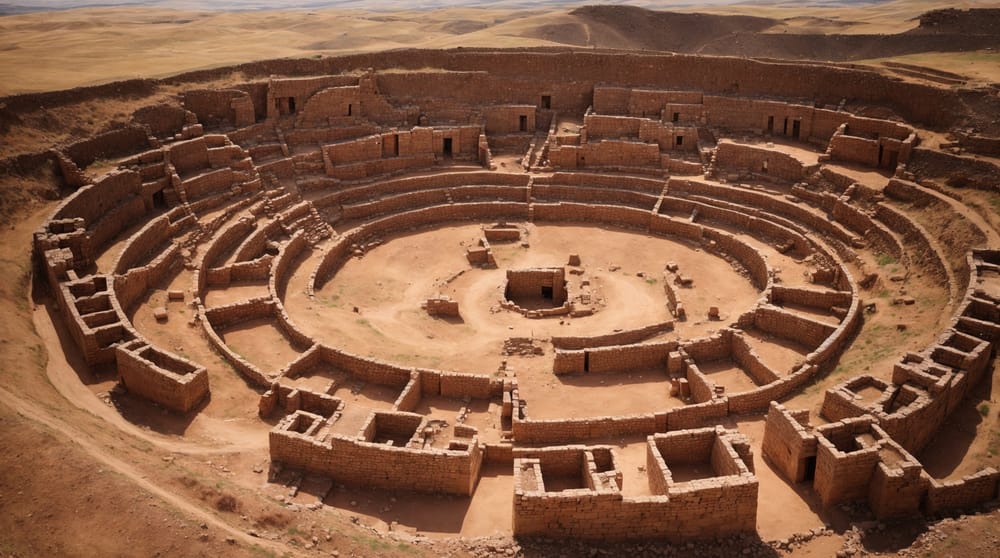
Göbeklitepe, a site predating Stonehenge by some 6,000 years, offers an incredible peek into the lives of those who roamed these lands before recorded history. This archeological site, found in southeastern Turkey, has puzzled historians and archaeologists with its sophisticated architectural elements and abstract monolithic pillars. Emerging from the soil in a series of organized excavations beginning in the 1990s, the artifacts and structures revealed have challenged our understanding of the Neolithic people, suggesting advanced societal structures and spiritual practices.
Technological Brilliance in Stone
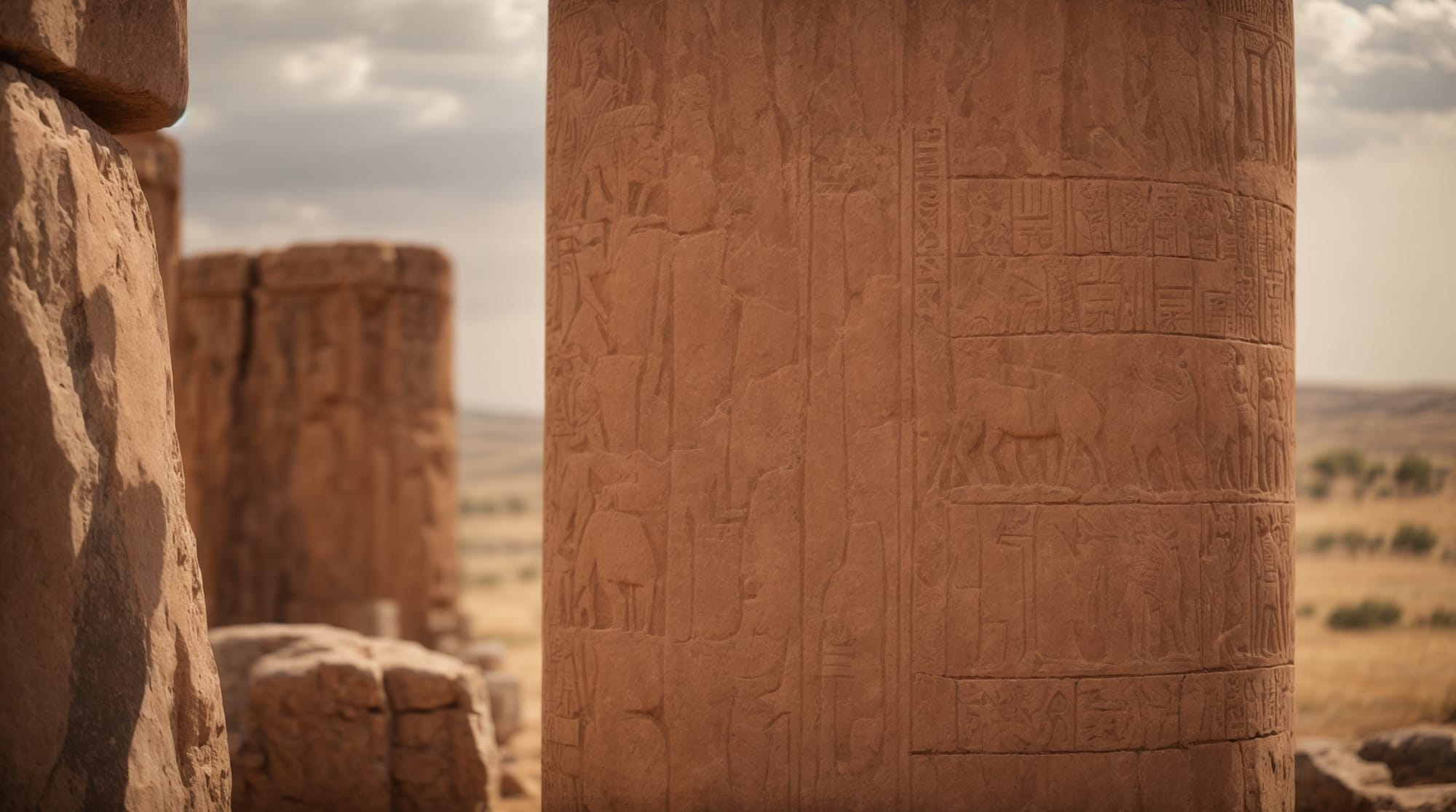
The technology behind the creation of Göbeklitepe’s stone circles, with precisely carved pillars featuring reliefs of animals and abstract symbols, demonstrates an unexpected level of sophistication. Each pillar, weighing up to 10-15 tons, points to a coordinated effort of a large group, highlighting the social organization far beyond what was previously assumed for societies of this epoch. The presence of these monumental structures possibly indicates the existence of ritualistic or ceremonial gatherings, altering our perception of prehistoric communal life.
Spiritual Dimensions Explored
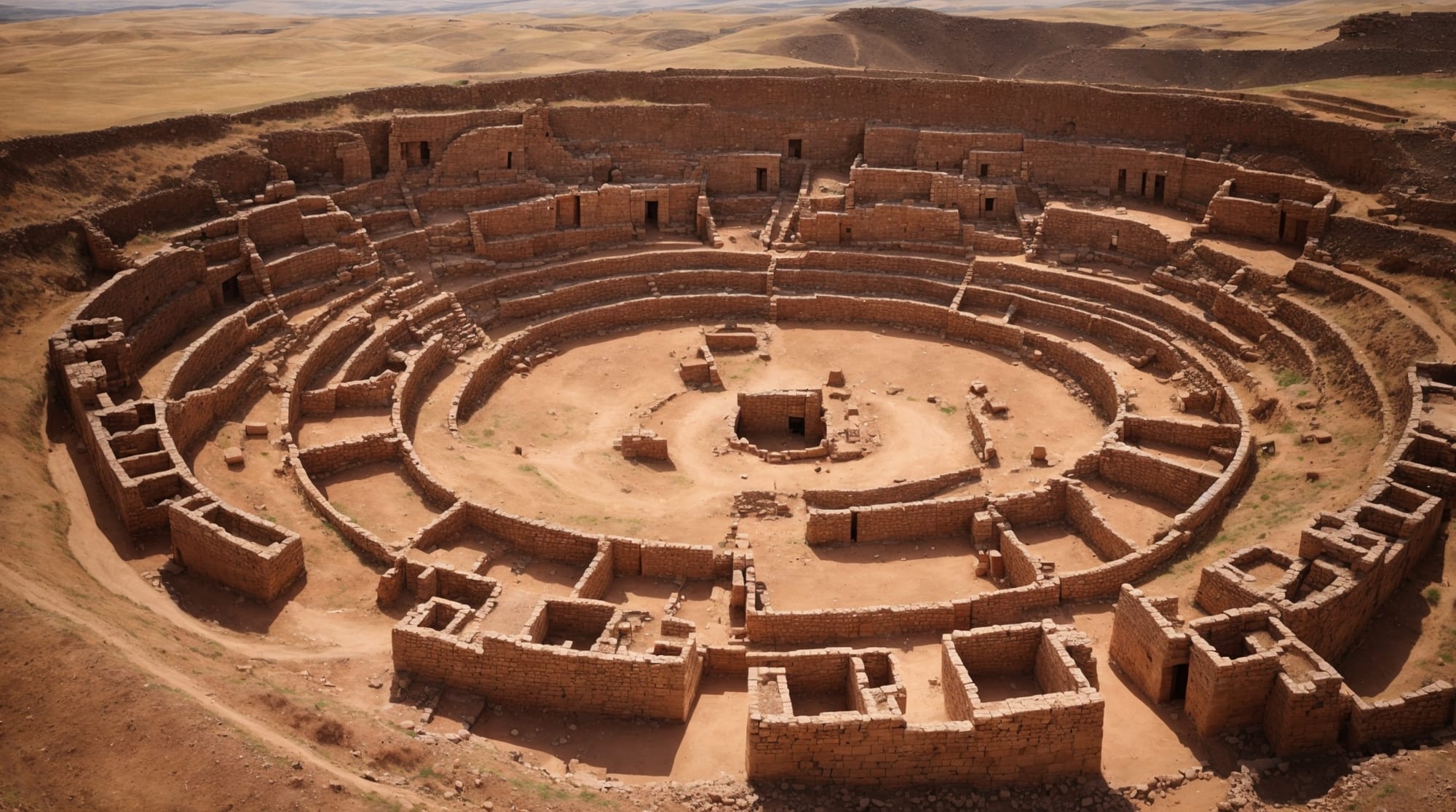
Not merely an architectural wonder, Göbeklitepe's arrangement and iconography might represent a spiritual map left by its builders. Interpreters propose that the circular enclosures were intended as sacred spaces, where hunter-gatherers participated in complex rituals, possibly to communicate with the cosmos or to mark significant celestial events. The depiction of wild animals and eerie, abstract beings could illustrate mythologies lost through millennia, providing modern-day researchers and historians with crucial insights into the spiritual life of these ancient people.
Implications on Modern Understanding
Göbeklitepe's discovery shifts the archaeological paradigm, pushing back the date of advanced societal development further than previously thought. This insight expands our understanding not only of Neolithic societies but also influences theories regarding the development of agriculture and settled life. The meticulous study and preservation of this site continue to unveil the innovative capabilities of our ancestors, demonstrating that the foundation of modern civilization may indeed be more complex and multifaceted than established doctrines suggest.