Gobekli Tepe: Ancient Wisdom in Stone
Uncovering the Mysteries of the Oldest Temple
Nestled atop a hill in southeastern Turkey, Gobekli Tepe presents an archaeological enigma that has fascinated historians and archaeologists alike. Erected in the 10th millennium BC, the site challenges our understanding of Neolithic civilizations and their capabilities. These monumental structures, characterized by their massive stone pillars intricately adorned with reliefs of animals and abstract motifs, suggest a complex, ritualistic social structure that predates the invention of agriculture. Theories about its purpose range from astronomical observatory to religious temple, making Gobekli Tepe not only a cornerstone of human history but also a beacon in the debate on the origins of sophisticated societal systems.
The Architectural Brilliance of Neolithic Engineers
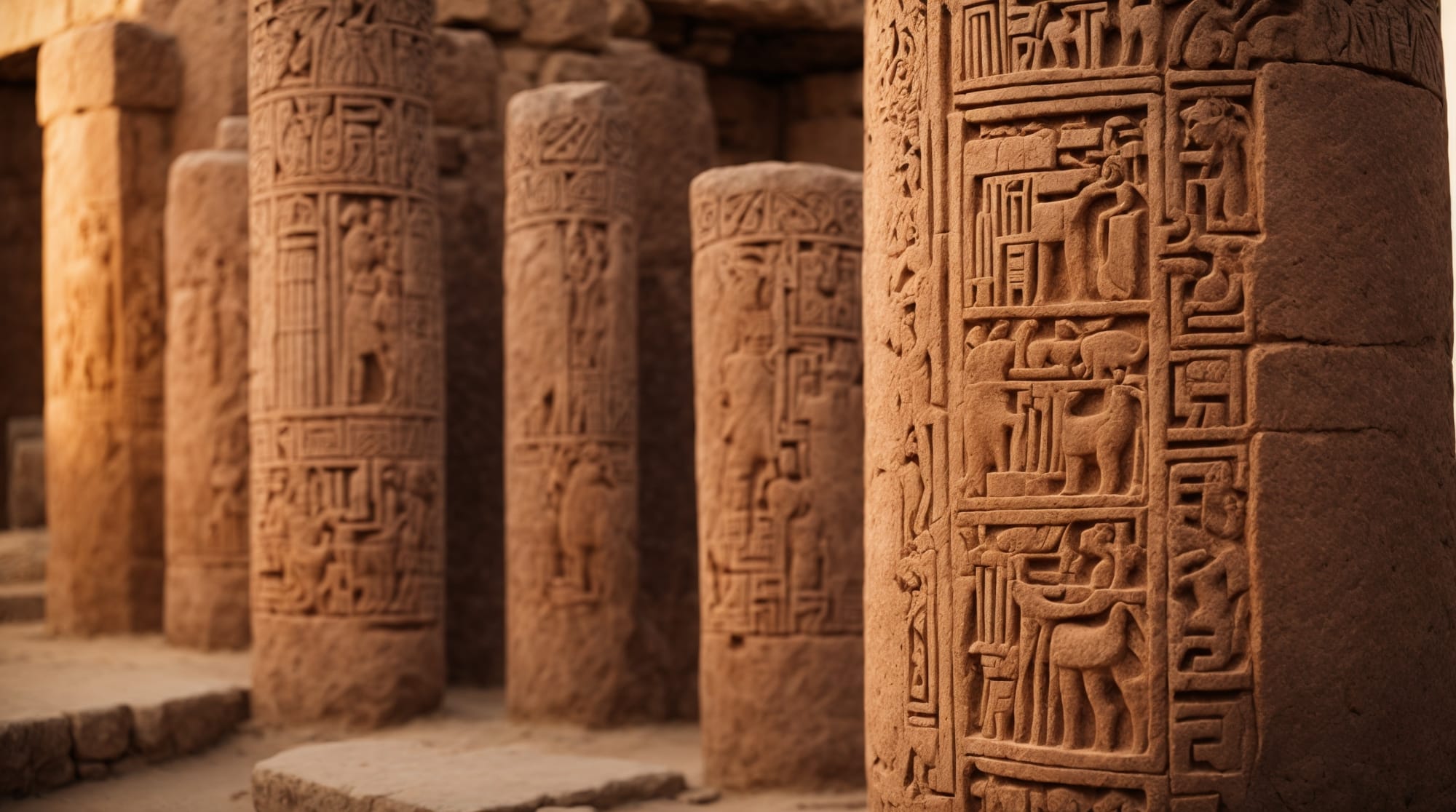
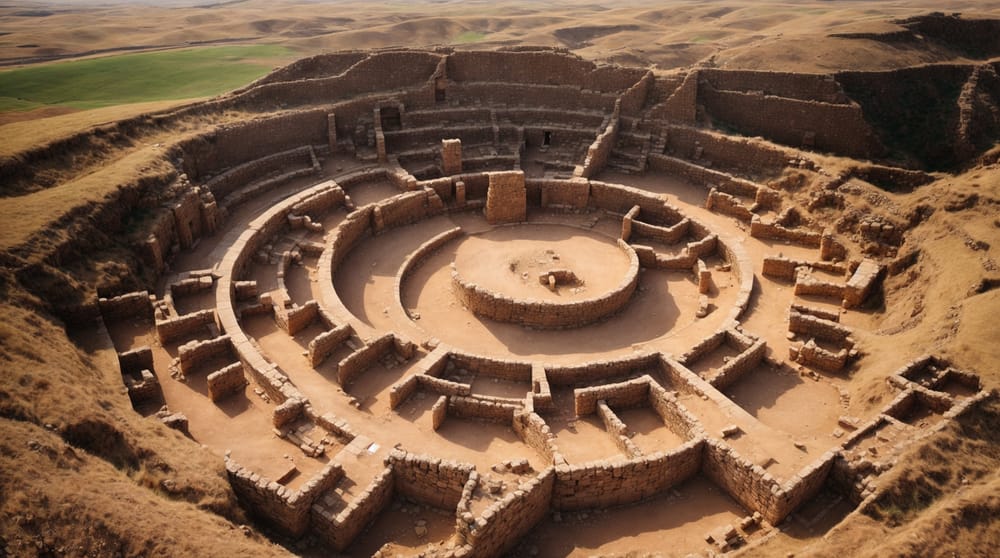
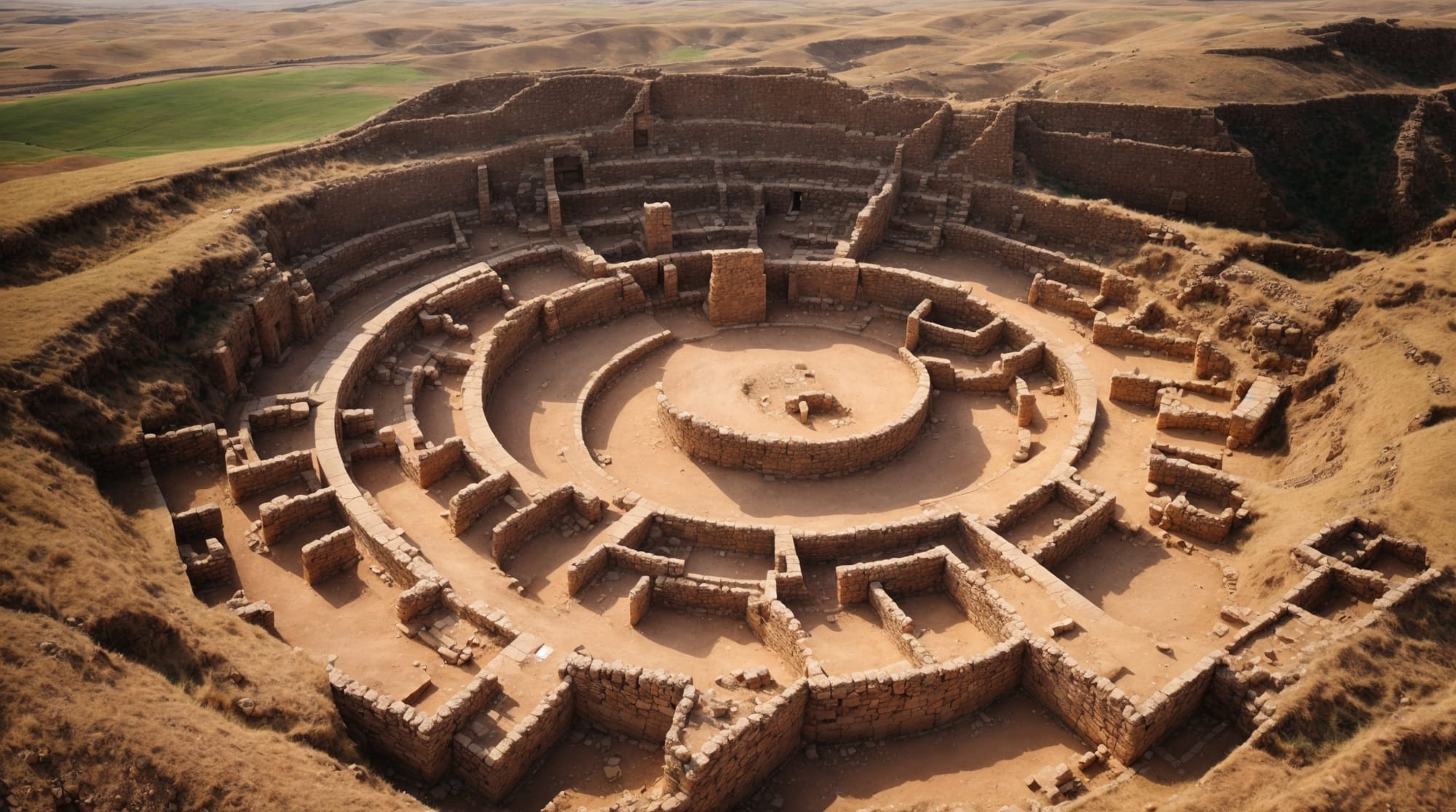
The architecture of Gobekli Tepe is nothing short of revolutionary for its time. The site consists of multiple circular and oval-shaped stone enclosures, which have been meticulously planned and constructed. Each T-shaped stone pillar, some standing over five meters high and weighing up to ten tons, demonstrates an unprecedented level of precision and understanding of stonework. What adds to the intrigue is the absence of residential remains, suggesting the area served a communal or ceremonial purpose rather than a habitat. This has led scholars to ponder over the methods and tools early humans employed to erect such monumental structures in an era without metal tools or the wheel.
Exploring the Symbolic Imagery and Carvings
The carvings on the pillars of Gobekli Tepe are among the earliest known examples of narrative art, featuring a diverse array of animal figures including foxes, lions, and scorpions. These carvings not only demonstrate artistic ambition but also serve a likely symbolic or religious function. Some archeologists propose these images represent constellations, while others believe they could be telling stories or conducting religious teachings. Analyzing these motifs provides profound insights into the mindset of our Neolithic ancestors and offers a glimpse into a time when humanity was taking its first steps toward organized societies and structured belief systems.
The Societal Significance of Gobekli Tepe
The construction of Gobekli Tepe predates the establishment of settled agricultural societies, implying that its creators were organized hunter-gatherers. This challenges the traditional view that complex societies only emerged after the development of farming. Gobekli Tepe's scale and the evident effort invested into its construction suggest a strong community with distinct social stratification and leadership hierarchies dedicated to its creation and use. The ability of these early people to create such an enduring legacy indicates a sophistication that has forced historians to reconsider the capabilities and social structures of ancient societies.