Göbekli Tepe and the Dawn of Human Civilizations Unveiled
Unraveling the Mysteries of Göbekli Tepe and Its Significance for Ancient Civilizations
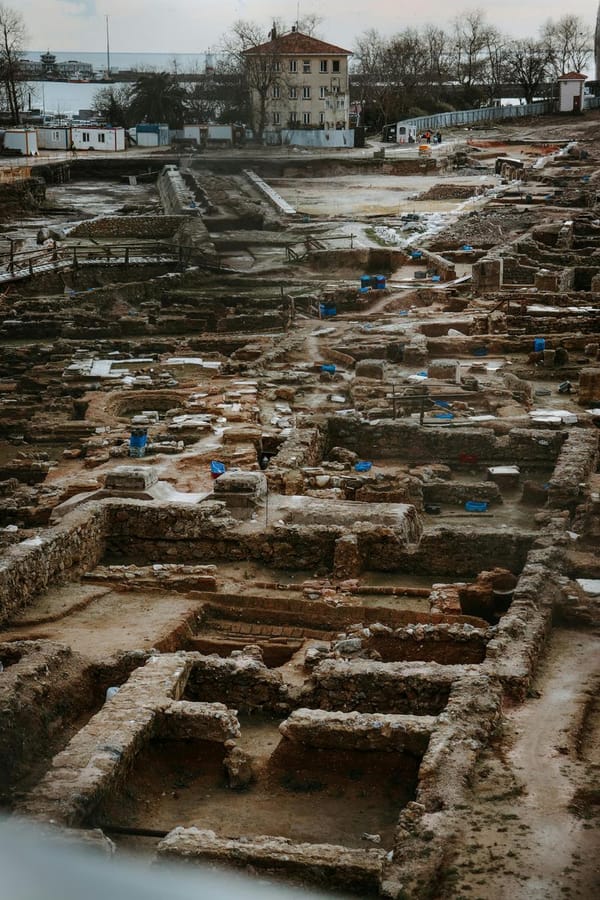
Imagine a site that predates the rise of writing, cities, and even the domestication of plants and animals by thousands of years. Göbekli Tepe, located in southeastern Turkey, stands as a testament to human ingenuity and spiritual life in a time when early humans were transitioning from nomadic hunter-gatherers to more settled and complex social groups. Discovered in 1994 but dating back nearly 12,000 years, Göbekli Tepe challenges conventional ideas about the origins of civilization. Its massive stone pillars, some weighing up to 10 tons, are intricately carved with abstract symbols, animals, and motifs that suggest ritualistic or spiritual purposes. What makes Göbekli Tepe particularly fascinating is that it appears to have been built by some of the earliest known groups capable of organizing large-scale communal projects, long before the advent of agriculture. This hints at a society driven significantly by spiritual beliefs and social cohesion rather than material wealth or territorial conquest, reshaping our understanding of early human communities and their priorities.

Ancient Structures and the Cultural Context of Early Human Life
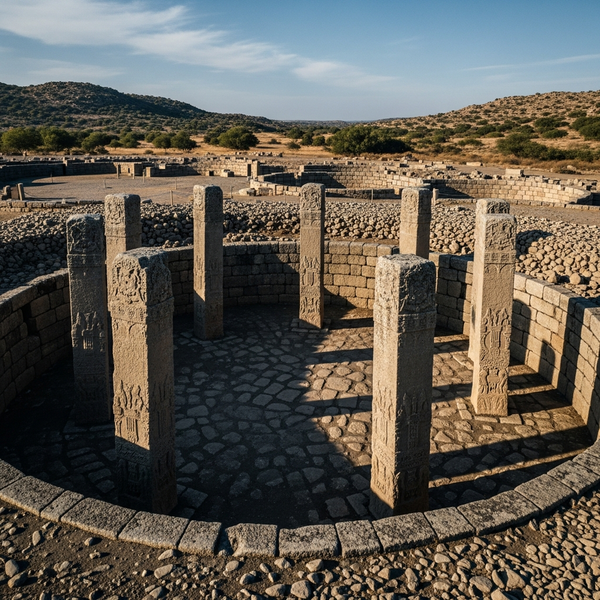
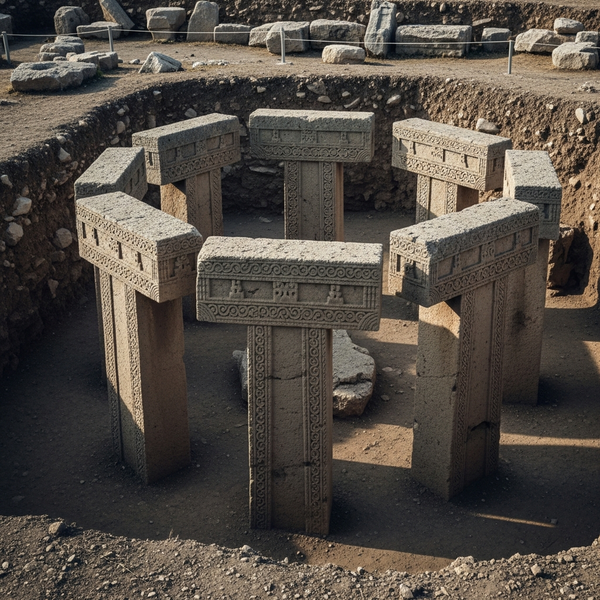
The architectural complexity of Göbekli Tepe reveals a society that invested considerable effort into constructing sacred spaces without the assistance of metal tools or wheeled vehicles—highlighting the remarkable craftsmanship and organizational skills of its builders. The site's numerous T-shaped pillars are arranged in circular and oval formations, believed to serve as ritual spaces where early humans gathered for ceremonies that integrated social bonding and spiritual practices. The carvings on these pillars depict a variety of animals including snakes, lions, boars, and birds, which may have held symbolic significance or represented mythological stories crucial to their belief systems. These structures serve as a vital window into the spiritual and cultural lives of Mesolithic peoples, suggesting that their worldview was deeply intertwined with nature and supernatural forces. Such discoveries compel us to reconsider traditional narratives that often position the advent of civilization solely within the context of technological advancement, instead emphasizing the importance of symbolic and religious activities in early societal development.
Early Human Society and the Role of Spiritual Beliefs in Shaping Cultures
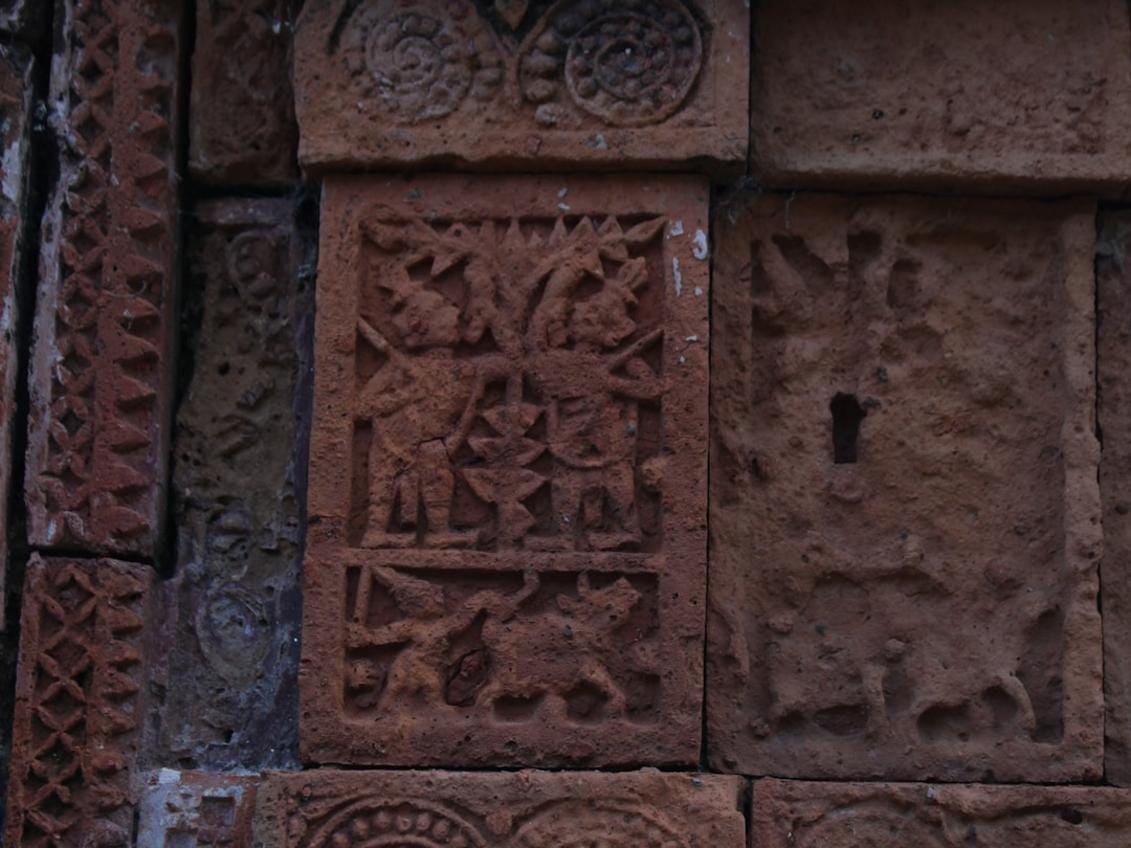
Göbekli Tepe provides compelling evidence that spiritual beliefs and ritual activities may have been central to the organization and cohesion of early human groups. The elaborate carvings and the deliberately constructed enclosures suggest that religion or spiritual symbolism played a significant role in their social fabric. Instead of viewing early societies as primarily focused on survival, Göbekli Tepe hints at a level of social complexity where shared beliefs and collective rituals fostered cooperation and cultural continuity. You might consider this site a spiritual hub— a place where humans first articulated their relationship with the divine, nature, and each other through monumental art and architecture. Such insights profoundly impact our understanding, implying that religion or spiritual life could be the driving force behind some of the earliest expressions of collective identity, long before the establishment of written language or organized states. Modern archaeology continues to uncover how these ancient practices laid the groundwork for the complex civilizations that followed.
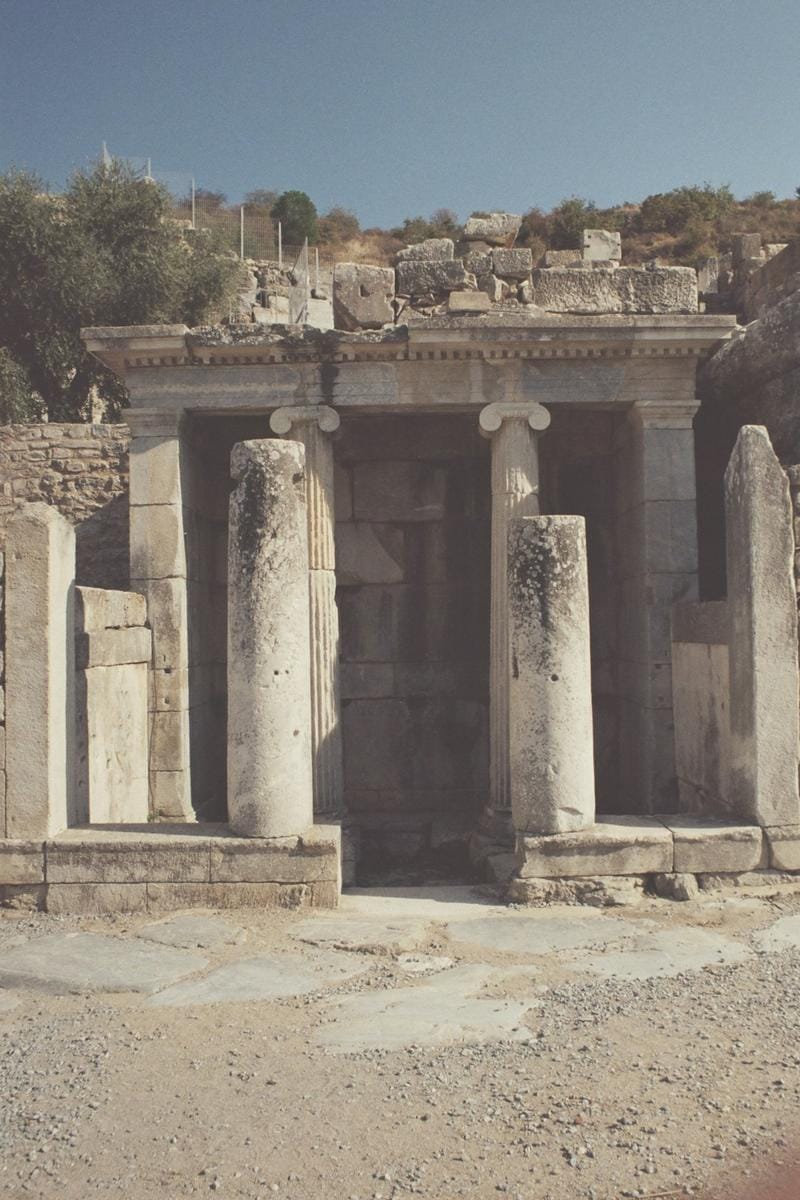
Cultural Traces and the Broader Impact on Our Understanding of Human History
The discoveries at Göbekli Tepe are more than archaeological marvels; they challenge many aspects of our historical timeline. The presence of such a sophisticated site predates the development of farming and settles the idea that organized religion and social structure might have catalyzed the transition from nomadic groups to settled societies. Researchers now believe that cultural traces at Göbekli Tepe could illuminate the ways early humans recorded their beliefs, created communal bonds, and transmitted knowledge across generations long before the rise of civilizations like Mesopotamia or Egypt. These insights prompt us to reconsider the traditional sequence of societal evolution, suggesting that spiritual and cultural activities may have been as essential as technological innovations in shaping human history. Embracing this broader perspective allows us to appreciate the complexity of our ancestors, understanding that their world was woven with myths, rituals, and shared identities that formed the bedrock of modern civilizations.