Gobekli Tepe and the Process of Civilizational Discovery
Unraveling the Mysteries of Gobekli Tepe
Göbeklitepe continues to be one of the most mystifying and enlightening prehistoric sites worldwide, offering unparalleled insights into the dawn of civilization. Discovered in 1994 near Şanlıurfa, Turkey, this site predates Stonehenge by over 6,000 years, challenging previous notions about the advent of complex societies. The mysteries of Göbeklitepe not only dwell on its monumental stone circles but also in the sophisticated carvings that suggest a rich cultural and spiritual life led by its creators. These early architects and astronomers crafted a site that aligns with celestial bodies, challenging modern perceptions of primitive communities.
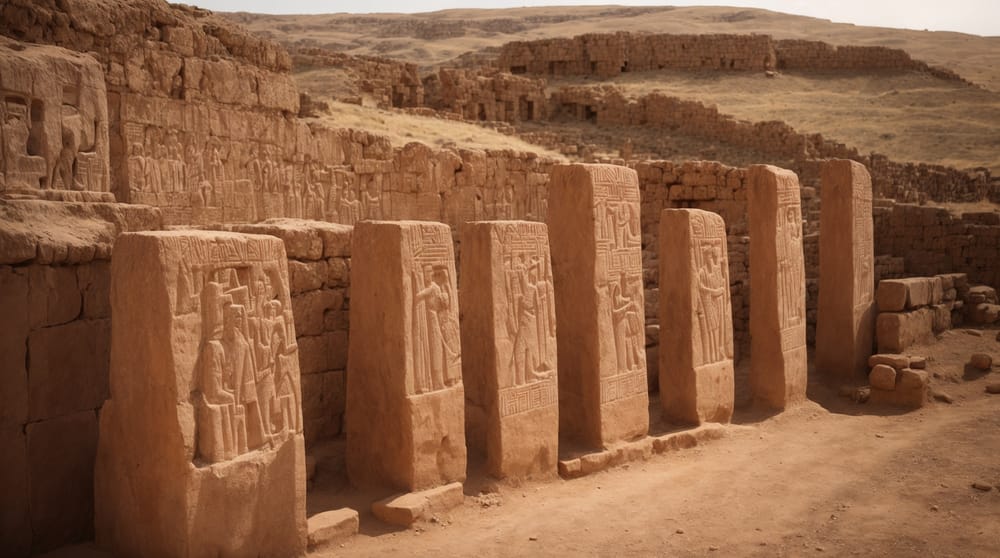
The structural design of Göbeklitepe is a testament to the advanced architectural understanding that existed 12,000 years ago. The intentional arrangement of its T-shaped pillars, some reaching up to 20 feet in height and weighing several tonnes, indicates a high level of planning and community effort. This early example of monumental architecture predates the invention of written language and pottery, marking a significant moment in human history where communal efforts were geared towards religious or cosmological purposes. Each stone pillar is decorated with reliefs of animals and abstract symbols, providing insight into the cosmological beliefs and the natural world of its builders.

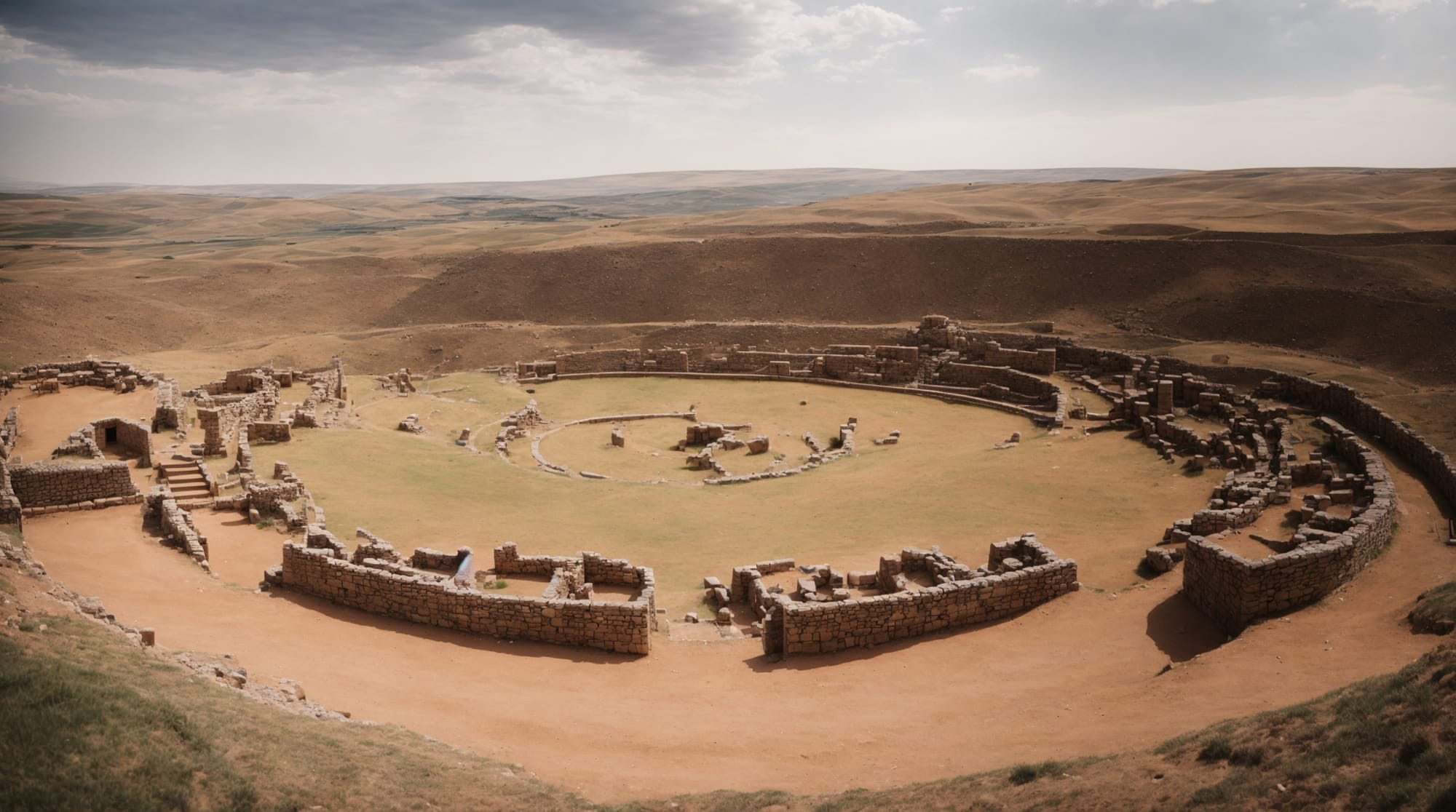
The site's layout consists of multiple enclosures, each centered around two large central pillars surrounded by smaller ones. Archaeologists theorize these enclosures served as ritual sites, possibly for rites of passage, celestial observations, or social gatherings. The layout of these enclosures suggests a well-organized society with distinct spiritual or social hierarchies. As excavations continue, the relationship between the structures and the surrounding landscape may provide further clues about the site's significance and the people who built it.
Beyond its architectural wonders, Göbeklitepe may have served an astronomical purpose, aligning with stars and solstices that marked significant times of the year. This celestial connection suggests that the site's builders possessed not only architectural prowess but also advanced knowledge of astronomy. The alignments allowed them to track solar and lunar cycles, important for agricultural activities and religious events. Uncovering these aspects offers a glimpse into the complexity of early human societies, challenging the simplistic view of Neolithic life and highlighting the sophistication of their cosmic understanding.
The social and spiritual life of Göbeklitepe's builders remains partially obscured by history, yet the art and architecture offer vital clues. The variety of animal depictions and abstract designs on the pillars suggest a rich mythological tapestry that permeated their daily life. The scale and complexity of the structures imply that Göbeklitepe was a place of great importance, hosting gatherings that reinforced communal bonds and shared beliefs. This site not only served practical functions but was also a canvas for the expression of complex spiritual narratives and ceremonial activities.