Gobekli Tepe Through the Ages: A Journey of Discovery
The Dawn of Civilizational Constructs
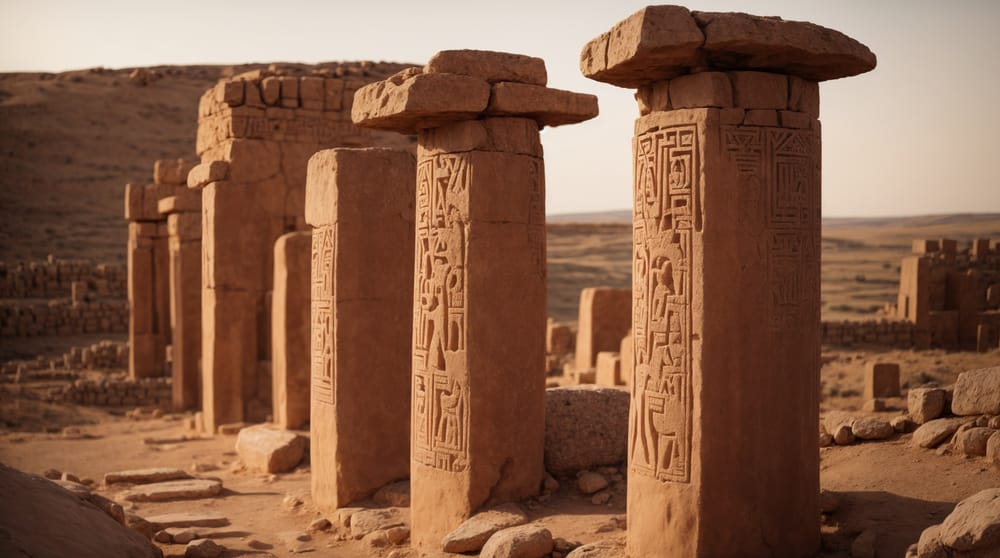
Gobekli Tepe, situated in the southeastern region of Turkey, stands as a monumental testament to the ingenuity of early human societies. Dated back to approximately 9600 BC, the site precedes Stonehenge and the Egyptian pyramids, challenging our perceptions of prehistoric humans. The meticulous arrangement of massive carved stones crafted and erected without the aid of modern tools or technologies hints at sophisticated organizational skills and possibly hierarchical social structures that have long intrigued archaeologists and historians alike. This exploration of Gobekli Tepe not only peels back layers of the Earth to reveal physical remnants but also layers of human development and societal evolution.
Archaeological Significance and Discoveries
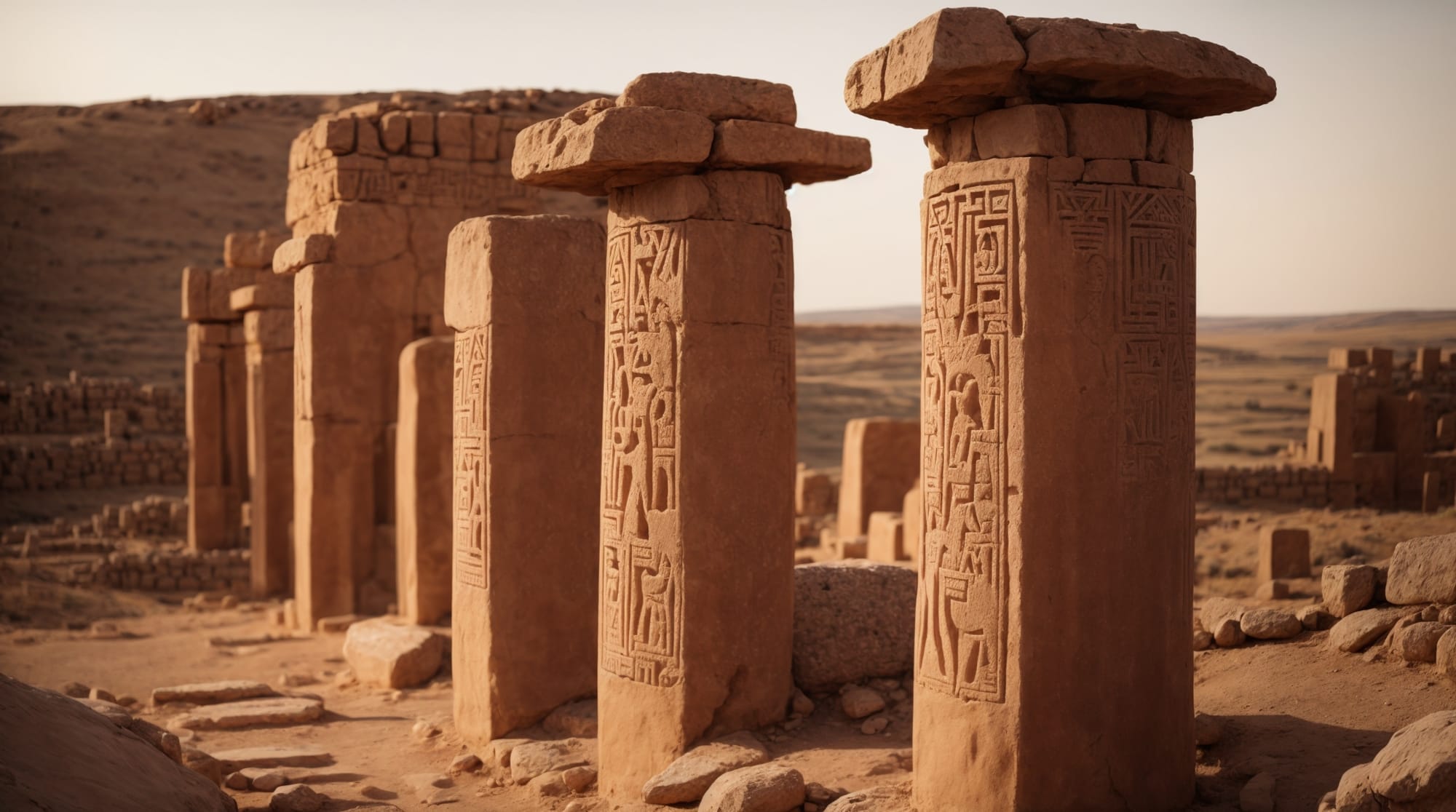
The significance of Gobekli Tepe extends beyond its age. The site's layout with circular and rectangular enclosures, topped by iconic T-shaped pillars, suggests it served a purpose beyond day-to-day living, venturing into the spiritual or ceremonial. The presence of carvings depicting wild animals and abstract human forms provides insight into the cosmological views and artistic sensibilities of its builders. Furthermore, discoveries of tools, bones, and artifacts around the site contribute to our understanding of the diet, culture, and practices of this Neolithic community, shedding light on how the transition from nomadic tribes to settled societies may have occurred.
Theories and Debates Surrounding Its Purpose
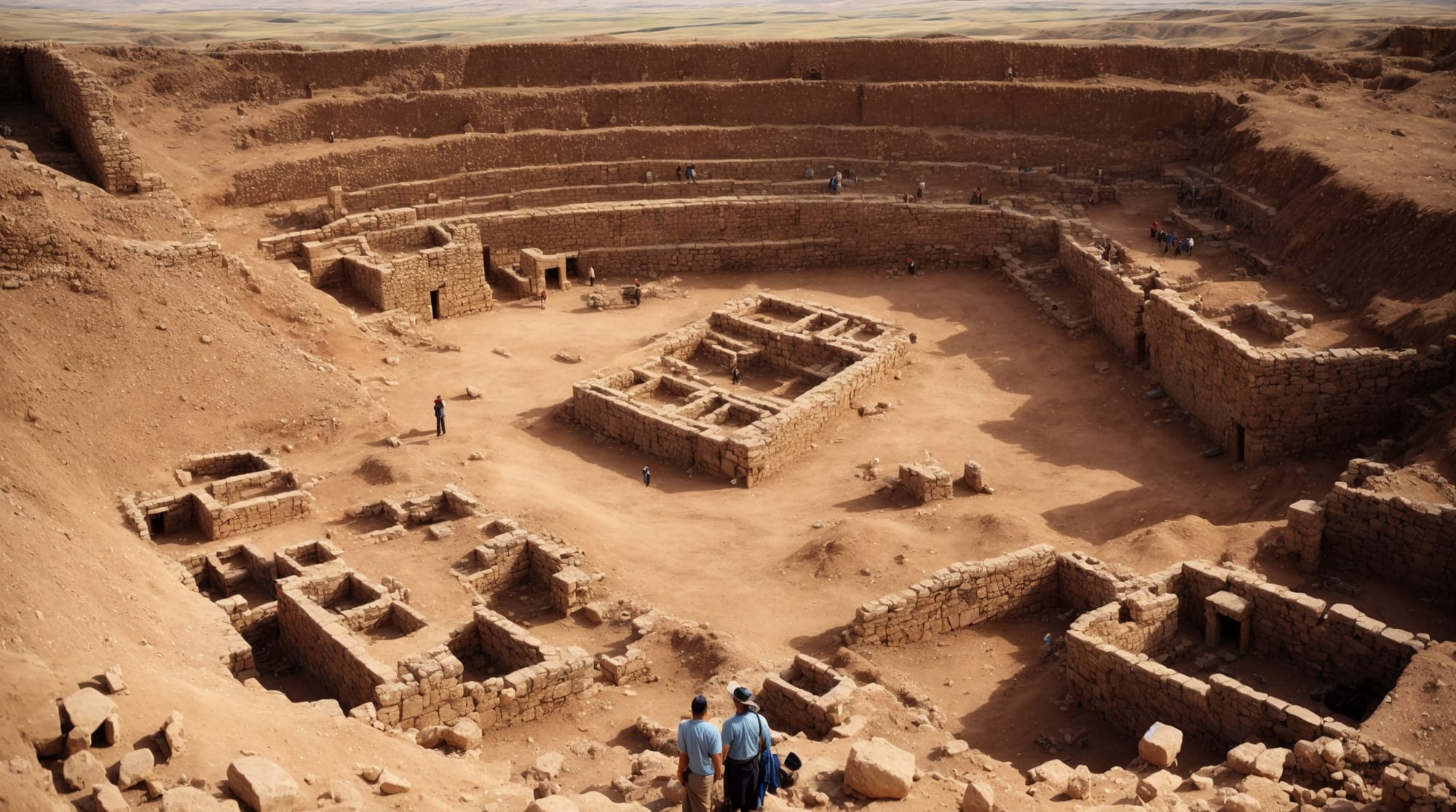
The true purpose of Gobekli Tepe remains a topic of intense debate among scholars. Some propose it was a site of religious significance, a temple where prehistoric people engaged in complex rituals. Others suggest it could have been an astronomical observatory, with alignments potentially marking solar or lunar events. The lack of definite residential structures supports theories that its primary use was not for habitation but for gatherings, possibly attracting pilgrims from distant regions. This blend of mystery and scholarly dispute adds layers of intrigue to the site, making it a focal point for understanding prehistoric human society.
Cultural Impact and Legacy
Gobekli Tepe not only transforms our understanding of early human history but also resonates deeply with contemporary culture and historical consciousness. As a UNESCO World Heritage Site, it draws visitors and researchers from around the globe, becoming a symbol of human achievement and a reminder of our shared past. Its story inspires documentaries, novels, and academic studies, bridging the gap between ancient and modern worlds. The ongoing research and conservation efforts ensure that Gobekli Tepe continues to inform and fascinate future generations, offering insights into the dawn of civilization and human creativity.