Gobekli Tepe: Uncovering Insights into the World's First Temple Complex
The Historical Significance of Gobekli Tepe
Gobekli Tepe, located in the southeastern part of Turkey, stands as an enigmatic testament to ancient ingenuity and the dawn of human civilization. Erected approximately 11,000 years ago, this temple complex predates the Egyptian pyramids and Stonehenge, setting a new timeline for archaeological understanding. Uncovered in the 1960s but only gaining significant scholarly attention in the 1990s, the site comprises massive stone pillars arranged in circular formations, thought to be used for ritualistic purposes by a hunter-gatherer society transitioning into settled agricultural life. The precise carvings on the stones, depicting various animals and abstract symbols, provide crucial insights into the symbolism and beliefs of early Neolithic communities.
Exploring the Architectural Wonders of Gobekli Tepe
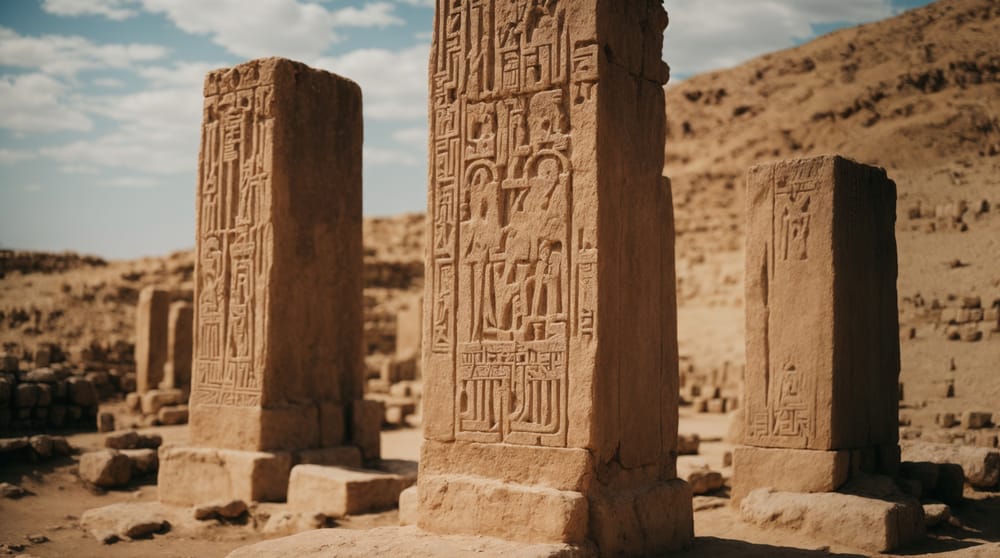
The architectural design of Gobekli Tepe is nothing short of revolutionary for its time. The site contains several oval and circular enclosures, each supported by T-shaped limestone pillars that weigh several tons. These pillars are intricately decorated with bas-reliefs of wild animals, predatory beasts, and abstract motifs that might have held cosmological significance. Some researchers suggest these carvings are early depictions of constellations or calendars. The building techniques seen here, involving quarrying, transport, and assembly of massive stone pieces, suggest a coordinated communal effort, likely driven by a complex socioreligious hierarchy during a time when most humans lived in small, nomadic bands.

Gobekli Tepe's Role in Prehistoric Religion and Society
Theories about Gobekli Tepe's use abound, but many agree that it served as a religious or ritualistic center. The site's layout and the prominence of certain symbols, like the vulture and the scorpion, hint at a complex spiritual worldview that may have involved ancestor worship or the sacralization of natural cycles and events. It likely served as a pilgrimage destination for diverse Pre-Neolithic groups, facilitating cultural exchange and ideological transmission across vast regions. This site not only highlights the religious inclinations of early humans but also their capacity for social organization and cultural complexity long before the advent of written records.

Recent Discoveries and Ongoing Excavations
Ongoing excavations at Gobekli Tepe continuously reshape our understanding of the site and its creators. Recent findings include smaller artifacts like stone tools, pottery shards, and even remnants of ancient wooden posts, suggesting that the site may have been covered intentionally, possibly to preserve its sanctity or to mark a dramatic societal shift or event. These discoveries open new chapters in the story of Gobekli Tepe, inviting archaeologists and historians alike to speculate about the rise and fall of this incredible ancient monument.