Gobekli Tepe's Architectural Ingenuity and Its Cosmic Connection
Uncovering the Architectural Genius of Gobekli Tepe
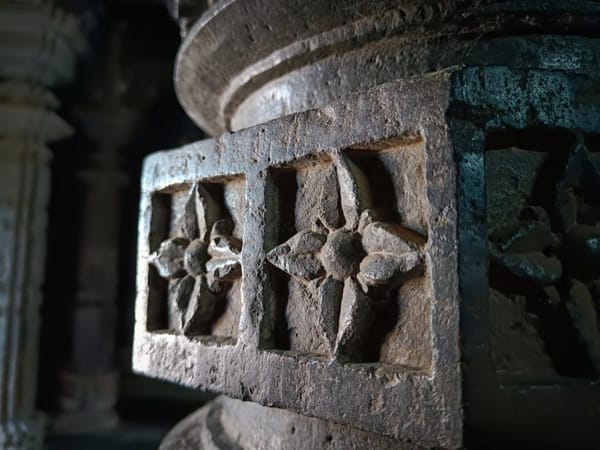
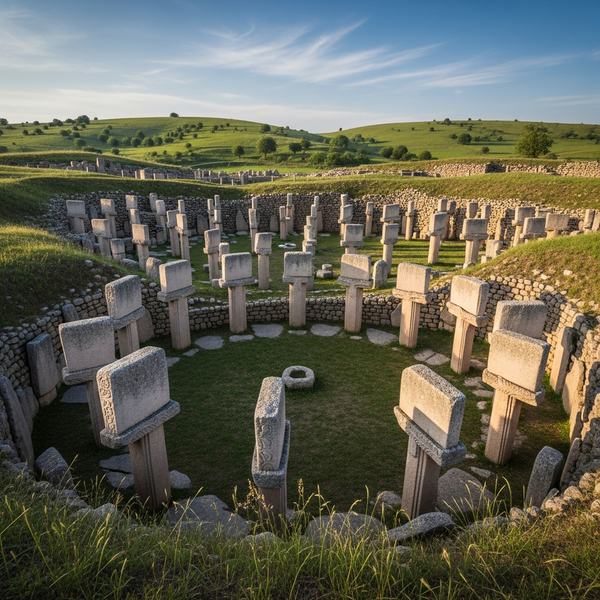
Gobekli Tepe stands as a monumental site in southeastern Turkey, consisting of complex structures and megalithic pillars dating back to the 10th millennium BC. Its design transcends mere utility, suggesting advanced architectural knowledge and possibly a deep understanding of astronomical phenomena. The layout of the temple complex, with its circular and rectangular formations, aligns with celestial bodies, indicating an early form of cosmic connection that predates Stonehenge and the Egyptian pyramids by thousands of years.

Exploring the Role of Astronomy in Gobekli Tepe's Design
The orientation of Gobekli Tepe's pillars suggests that its builders possessed significant astronomical knowledge, incorporating it into the site's religious or social functions. This astronomical alignment hints at the possibility of the site being an observatory or a calendar, used to keep track of celestial events. Such expertise implies that early societies were observing the skies and integrating their findings into everyday life and spiritual practices, far earlier than previously documented.

The Implications of Gobekli Tepe's Architectural Complexity
The sophisticated architectural techniques observed at Gobekli Tepe, alongside its astronomical alignments, reinforce the theory of an advanced cognitive and cultural development among prehistoric peoples. These findings challenge the traditional narratives of prehistoric human simplicity and provide a new perspective on the social and spiritual lives of our ancient ancestors. The implications of such an advanced site are vast, altering our understanding of technological and architectural advancements at the dawn of human civilization.