Gobekli Tepe's Pioneering Impact on Archaeological Studies
Unearthing a Pioneering Discovery
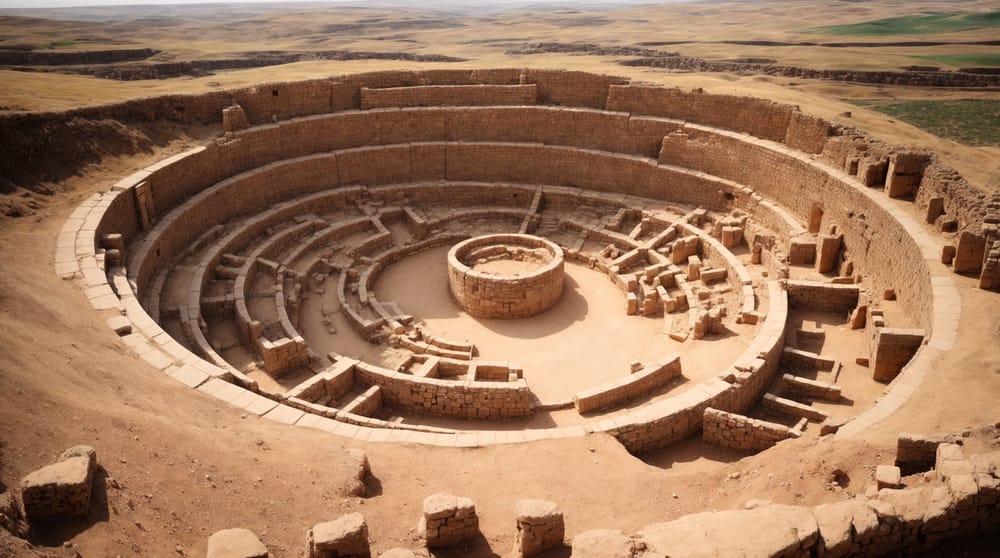
Considered as the world's first temple, Gobekli Tepe has consistently broadened our perspectives on what early human societies could achieve. Located in southeastern Turkey, this site features an impressive array of monumental pillars and walls carved with intricate animal motifs which rewrite our timeline of human development and cultural evolution. Excavations have repeatedly shed light on the sophistication of societies during a period that was previously thought to have limited architectural and communal advancements.

The discovery of Gobekli Tepe has challenged many of our existing theories about the Neolithic era. Previously, historical understanding posited that agriculture and fixed settlements preceded the development of religious or ceremonial structures. However, the evidence at Gobekli Tepe suggests that intricate religious rituals were established well before the widespread adoption of agriculture. This revelation compels historians and archaeologists to reconsider the societal priorities and technological capabilities of our ancient ancestors.
Technological Innovations Unearthed
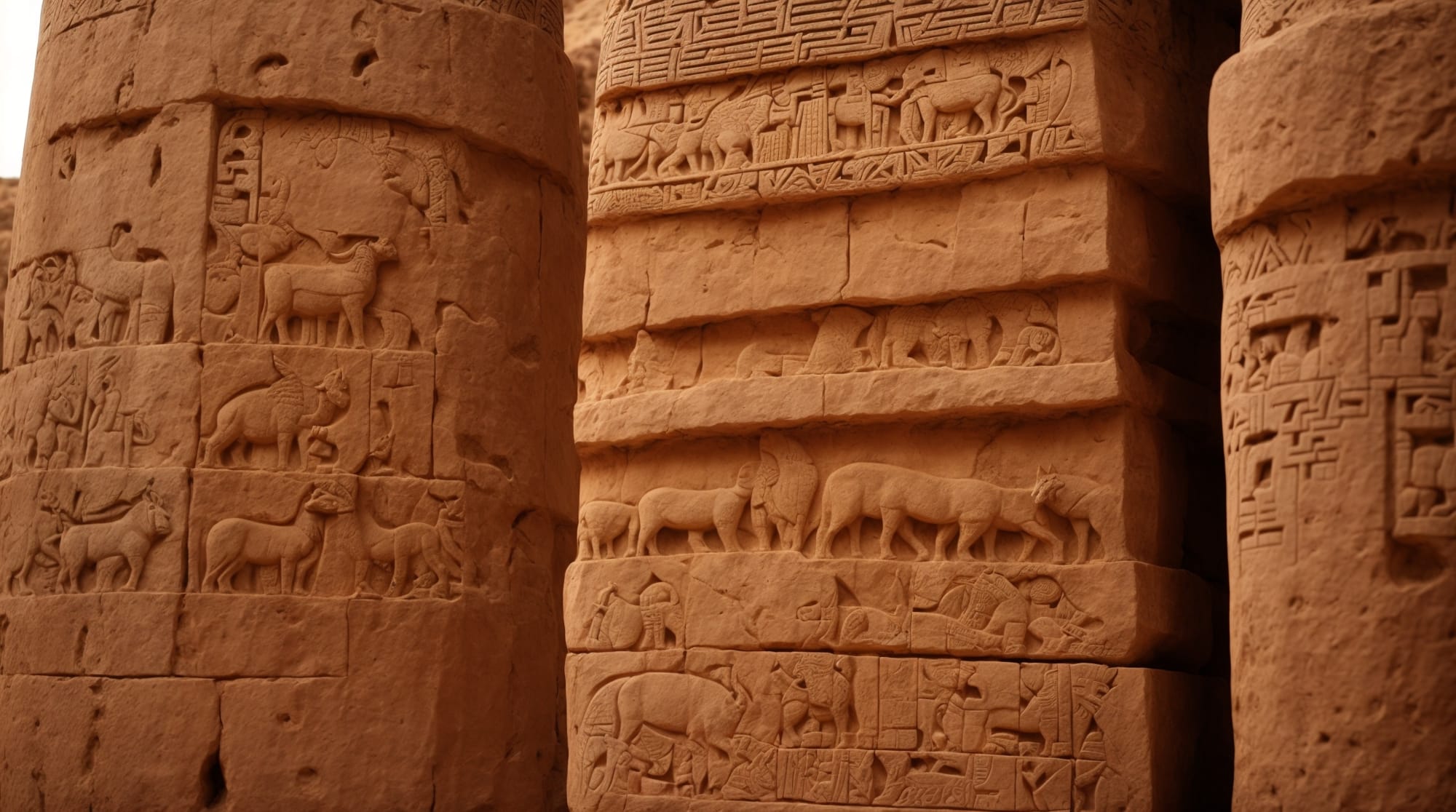
Gobekli Tepe not only illuminates various aspects of prehistoric lifestyle but also showcases the advanced technologies and tools employed in its construction. Archaeologists have uncovered evidence of stone carving techniques that were far ahead of their time, reliant on tools and methods that had not been previously associated with this epoch. The precise nature of these carvings, especially the T-shaped pillars, underscores a level of artistic and constructional planning that belies the era's perceived primitive simplicity.
This forefront of archaeological innovation also extends to the methods used by researchers at the site. Modern techniques such as LIDAR (Light Detection and Ranging) and ground-penetrating radar have been crucial in mapping Gobekli Tepe's sprawling underground networks. These technologies allow archaeologists to conduct non-invasive investigations, preserving the integrity of the site while removing layers of earth to reveal the hidden contours of this ancient complex.
Rewriting Historical Narratives
The implications of Gobekli Tepe's discoveries extend beyond the archaeological community and have seismically shifted the narratives around early human civilizations. As new layers of the site are excavated, each finding adds depth to our understanding of the social and ritualistic structures that early communities established. This evolving story continues to astound scholars and laypeople alike, suggesting that what we know about our ancestors is only the surface of a much deeper historical saga.