Gobekli Tepe's Reverberating Echoes in Prehistoric Studies
Unveiling the Mystery of Gobekli Tepe's Origins
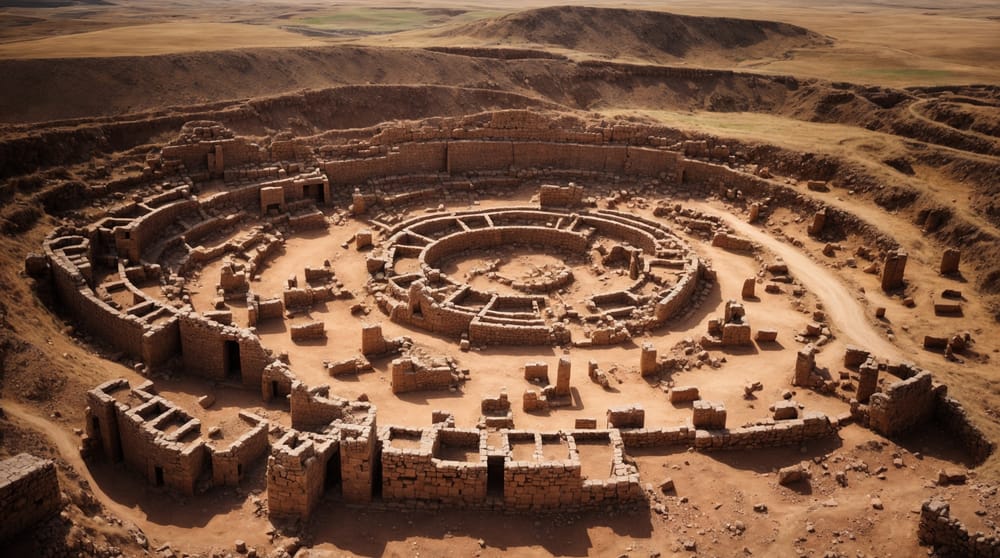
Gobekli Tepe, often considered one of the oldest temple complexes ever discovered, has consistently intrigued historians and archaeologists with its complex structures and profound cultural significance. Situated in modern-day Turkey, this site predates Stonehenge by over 6,000 years, pushing back the timeline of ceremonial architecture and sophisticated human activity. The discovery of Gobekli Tepe has revolutionized the way we understand the neolithic revolution and the transition from nomadic groups to settled agricultural communities. Its elaborate carvings and massive, T-shaped pillars suggest a level of craftsmanship and social organization that was previously thought to be unachievable at such an early stage in human history.
The Architectural Ingenuity of Neolithic Builders
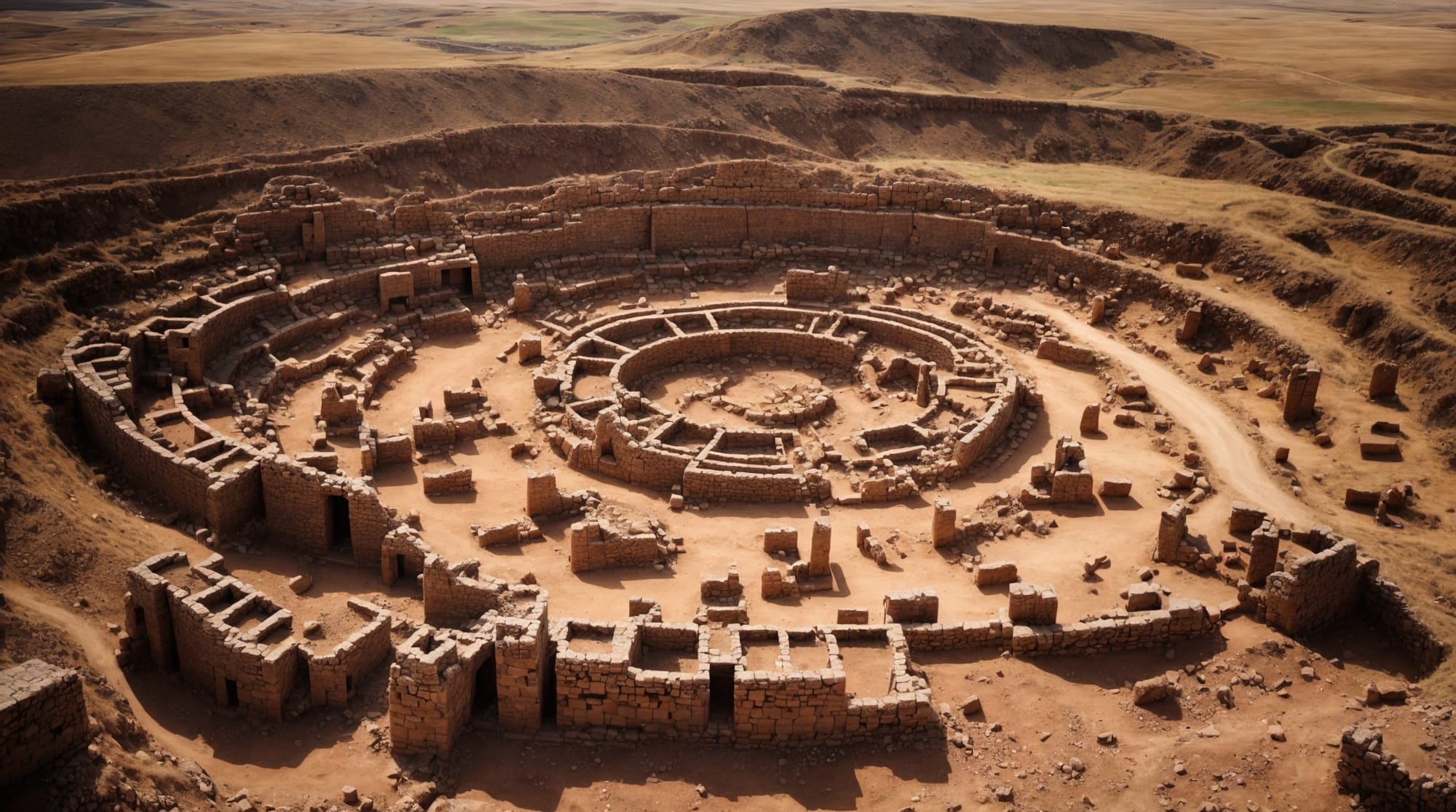
The architectural prowess displayed at Gobekli Tepe is not merely due to the size of the structures, but also their deliberate and precise alignments. These arrangements provide insights into the astronomical knowledge and spiritual beliefs of its creators. Researchers have proposed that some pillars align with star constellations, which indicates an early form of sky-watching and may have served ritualistic or calendar purposes. This level of sophistication in architectural planning illustrates a society that is far more complex and interconnected than previously estimated, showcasing advanced organizational skills and possibly a hierarchical structure that commanded the planning and mobilization needed to erect such monumental sites.
Cultural and Ritual Significance of Gobekli Tepe
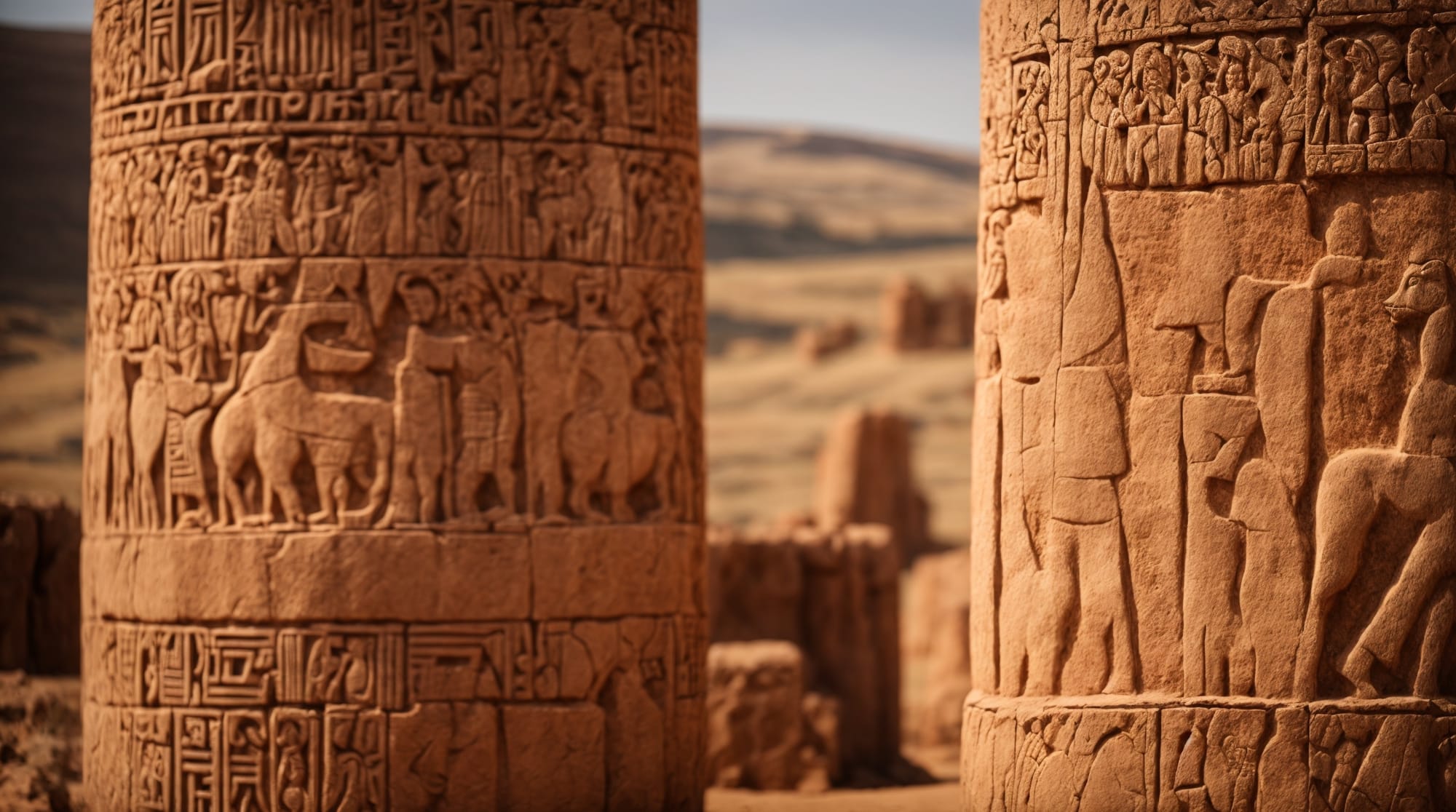
The cultural layers of Gobekli Tepe not only highlight a sophisticated use of symbols but also a communal belief system that may have attracted pilgrimages from distant communities. The carvings, which feature a variety of animals and abstract symbols, suggest that the site served a significant spiritual and communal purpose. The presence of large communal enclosures hints at gatherings or rituals, emphasizing the social aspect of the site. These gatherings likely played a crucial role in the dissemination of cultural norms and practices, solidifying the position of Gobekli Tepe as a focal point in the social and religious lives of its contemporaneous populations.
Implications for Understanding Human History
The findings at Gobekli Tepe are critical in reshaping our perspectives on the capabilities and complexities of early human societies. This site provides concrete evidence that challenges previous assumptions about the timeline and development of civilizations. As research continues, Gobekli Tepe retains the potential to uncover even deeper insights into the neolithic minds, offering a richer, more nuanced narrative of human advancement from mere survival to structured societal existence and sophisticated cultural expression.