Gobekli Tepe's Role in Understanding Early Human Societies
Unveiling the Significance of Göbekli Tepe
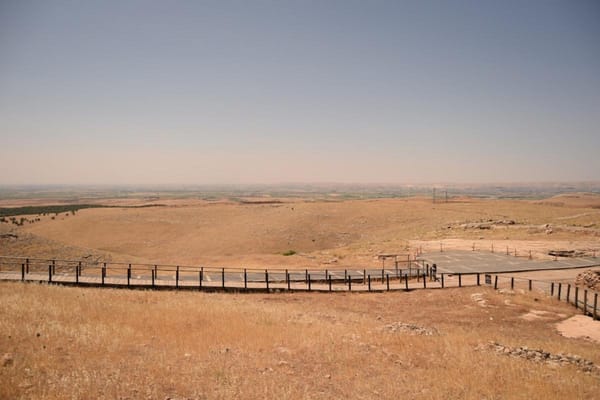
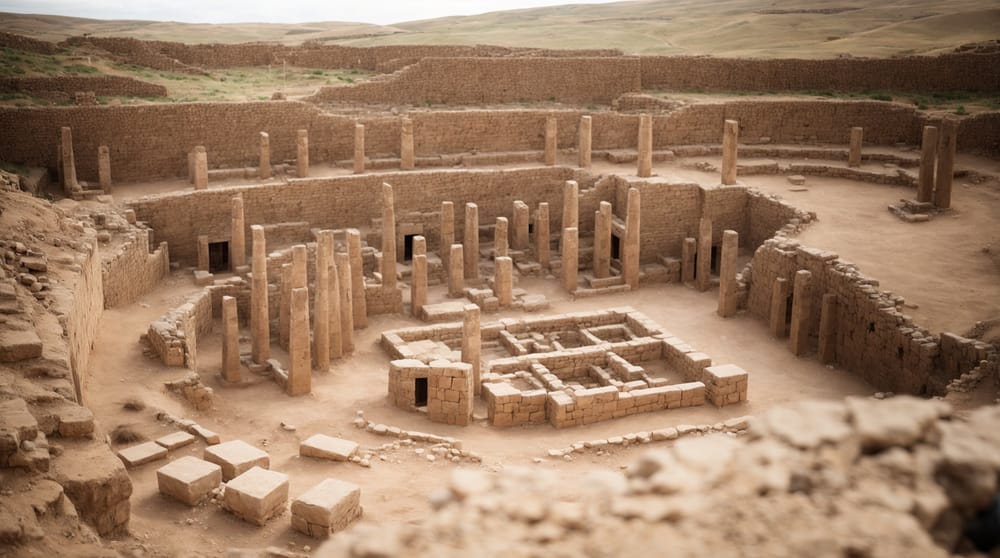
Göbekli Tepe, often hailed as one of the oldest religious structures in the world, continues to capture the imagination of archaeologists and historians worldwide. Nestled in the rolling hills of southeastern Turkey, this Neolithic site presents monumental circular and rectangular megalithic structures. The discovery of Göbekli Tepe has significantly altered our understanding of human history, challenging the long-held belief that agriculture preceded organized religion and large-scale architectural projects. The site's T-shaped pillars, which are elaborately adorned with depictions of animals and abstract symbols, provide invaluable insights into the spiritual and social lives of its creators.
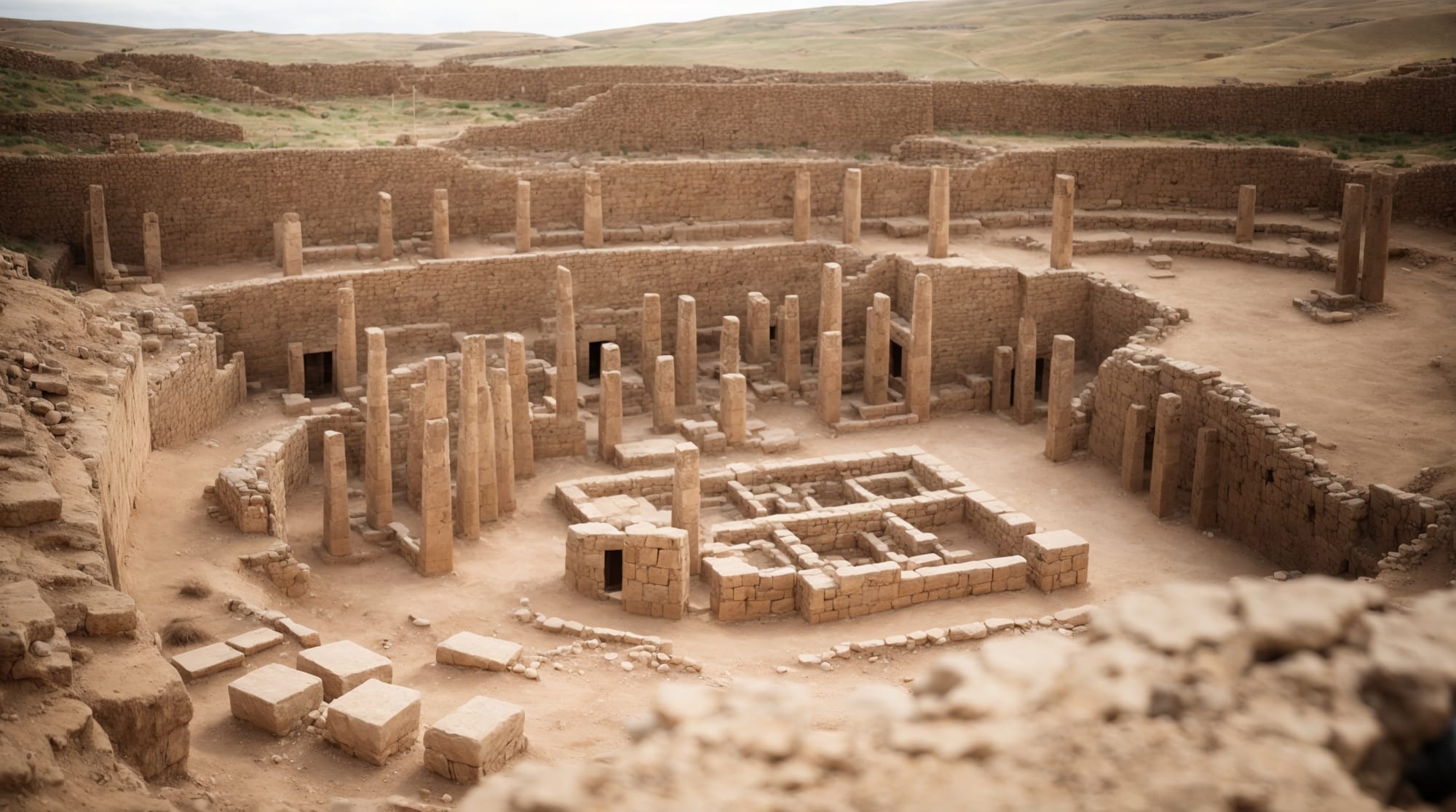
Archaeologists speculate that Göbekli Tepe functioned as a ritual site, possibly for rites related to death, fertility, or the veneration of ancestors. The location does not show evidence of prolonged habitation which suggests that it served a ceremonial purpose rather than being a settlement. This hypothesis is supported by the lack of domestic artifacts, such as pottery, and the variety of fauna remains from species like gazelles, boars, and geese, indicating the consumption of special feasts. The layout of Göbekli Tepe, with its concentric circles and astronomical alignments, further posits that early societies might have had advanced knowledge of astronomical events, which played a significant role in their cultural and religious practices.
The Artistic Achievements and Symbolism at Göbekli Tepe
The artistic endeavors at Göbekli Tepe are notable not only for their age but also for their complexity and depth of symbolic representation. The pillars are replete with reliefs of animals such as foxes, lions, and scorpions, which may have represented important totemic or spiritual symbols to the people who crafted them. The carvings could indicate a sophisticated belief system where these animals held specific symbolic meanings, connected to the community's ideas about the cosmos, life, and the afterlife. Furthermore, the precision with which these figures are rendered suggests that the site's constructors possessed advanced tools and artistic skills, pointing towards a specialized class of artisans or religious leaders.
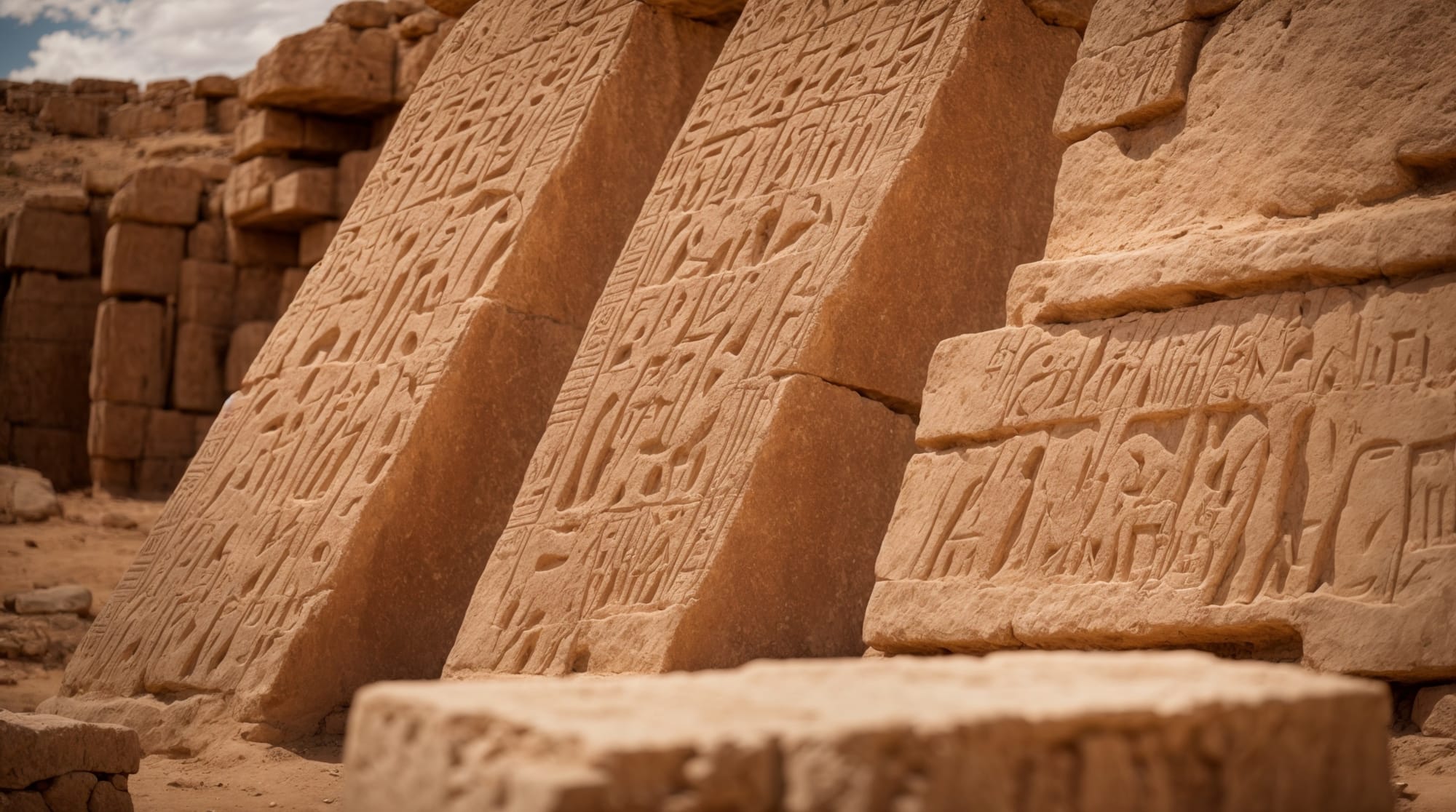
Exploring further, the significance of Göbekli Tepe extends beyond its immediate geographical locale—it influences our comprehension of numerous early human societies across the globe. As we uncover more about the site, comparisons can be drawn with other contemporaneous societies which may have followed similar developmental trajectories. Understanding Göbekli Tepe thus aids in piecing together the complex puzzle of human societal evolution during the Neolithic period, offering a clearer picture of demographic shifts, trade networks, and cultural exchanges that might have occurred across regions. This broader perspective is vital for global historical narratives that seek to encompass the richness of human heritage.