Göbeklitepe: A Glimpse into the Dawning of Human Civilization
Unraveling the Significance of Göbeklitepe
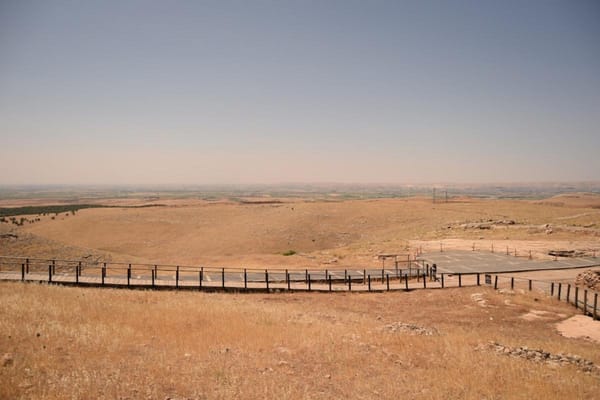
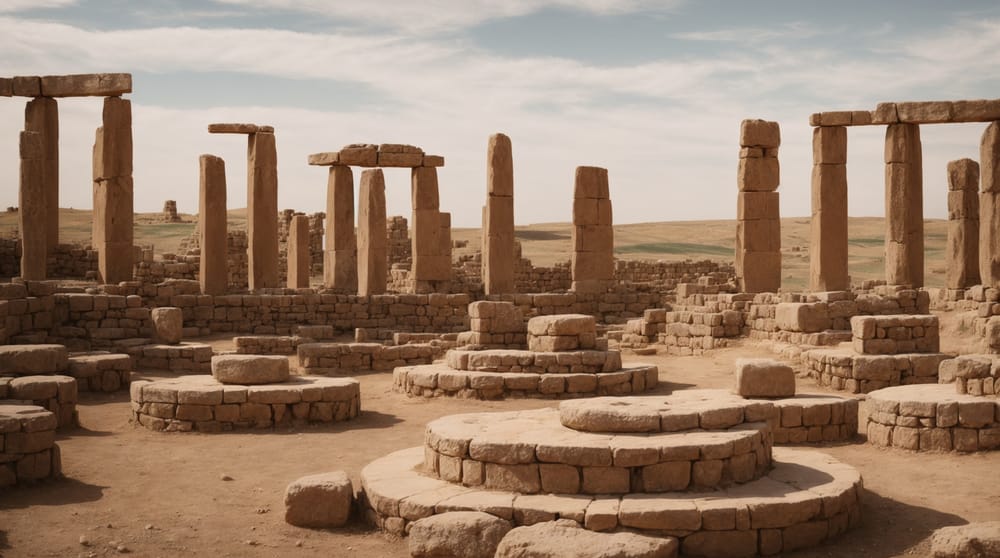
Göbeklitepe stands as a monumental achievement in the annals of human history, situated in the heart of Turkey's southeastern Anatolia region. This prehistoric site, believed to date back to the 10th millennium BCE, challenges our understanding of the Neolithic revolution, suggesting that religious rituals predated the establishment of settled communities. The discovery of Göbeklitepe has revolutionized the way archaeologists and historians think about the social and religious development of early human societies. This site comprises multiple circular and oval-shaped stone structures, with massive T-shaped pillars that are intricately decorated with carvings of animals and abstract symbols, indicating an advanced artistic culture long before the era of pottery and metalwork.
The architectural complexity and grandeur of Göbeklitepe are evident in its megalithic pillars, which vary in height and can weigh up to ten tons. These pillars are arranged in circular sets, with each set likely serving a distinct ceremonial or social purpose. Archaeologists believe that the site's layout was deliberately designed to align with astronomical events, such as solstices and equinoxes, which underscores the early humans' advanced understanding of the cosmos. This suggests that Göbeklitepe was not merely a site of worship but also played a key role in the observation of celestial events, which were critical to the agricultural activities of later settled communities.
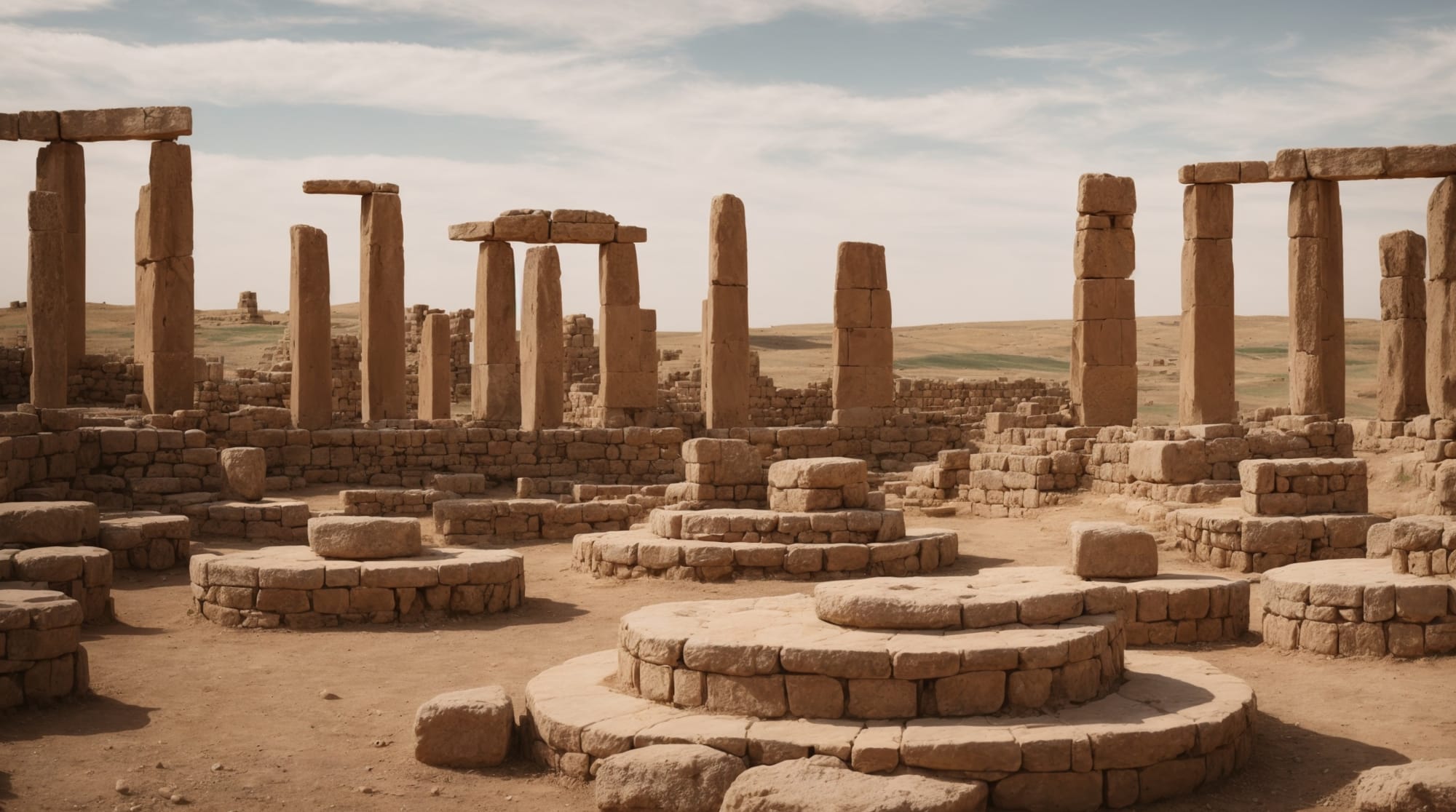
The cultural implications of Göbeklitepe are immense, providing evidence of religious gatherings and possibly coordinated labor at a time when most human groups were highly mobile hunter-gatherers. The existence of such a site indicates a shift towards communal activities and complexities in social structures that laid the foundational stones for modern civilization. Moreover, the artistic depictions found on the pillars of Göbeklitepe are among the earliest known symbolic representations, suggesting that the site served as an epicenter for a proto-culture that would influence subsequent generations across the region.
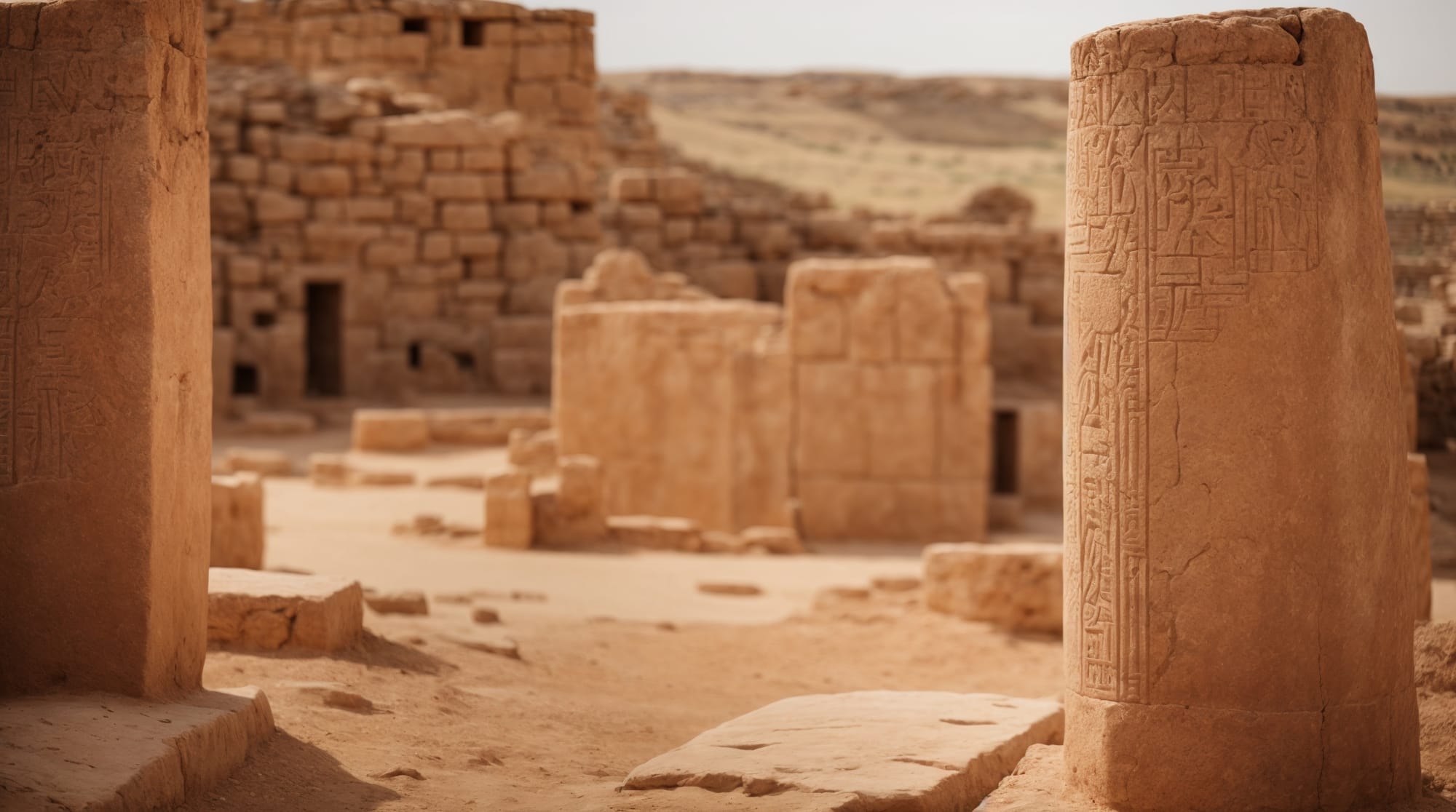
Despite extensive research, Göbeklitepe still holds many secrets yet to be unearthed. Each stone pillar and artifact provides a narrative piece to the puzzle, revealing more about the prehistoric people who constructed this enigmatic site. The purpose of the structures, the reasons for their eventual abandonment, and the exact nature of the rituals conducted are still subjects of active research and debate. Understanding these aspects of Göbeklitepe not only sheds light on the beginnings of human society but also enriches our understanding of the universal quest for meaning and transcendence through spiritual practices.