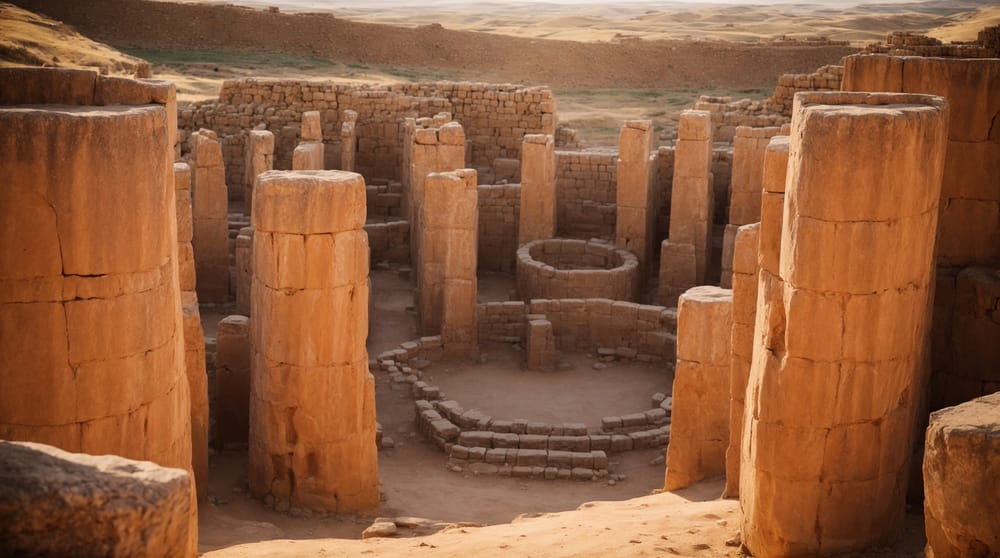
Göbeklitepe and the Awakening of Historical Curiosity
Uncovering the Layers of Time
Göbeklitepe, located in modern-day Turkey, represents one of the most intriguing archaeological finds of the 20th century. Discovered in 1994 by Klaus Schmidt, the site features monumental pillars believed to be the world’s first temple, predating Stonehenge by over 6,000 years. This discovery has not only reshaped our understanding of prehistoric human societies but has also ignited a spark of interest in the deep past far beyond academic circles.
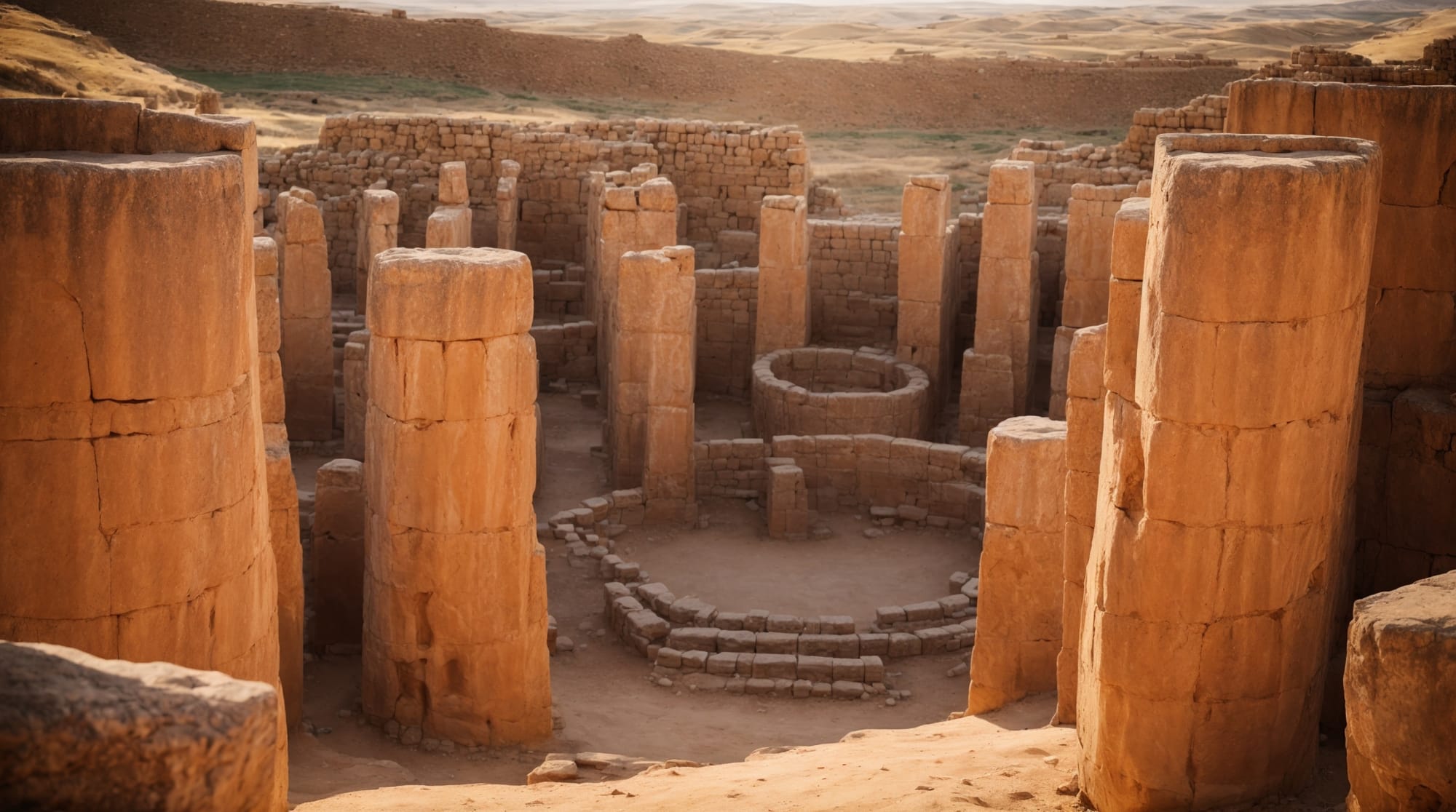
The stone pillars at Göbeklitepe are arranged in circular and oval formations, with each pillar intricately decorated with reliefs of animals and abstract symbols. This sophistication suggests a level of societal organization and ritualistic significance that challenges the primitive image of hunter-gatherer communities. The builders of Göbeklitepe were clearly sophisticated, capable of mobilizing large groups for construction and sharing complex cosmological beliefs.

The cultural layers of Göbeklitepe suggest that it served as a central point for prehistoric worship and possibly a pilgrimage site for diverse groups. The presence of diverse animal depictions not native to the region hints at a broader cultural exchange and pan-regional significance. This spiritual and communal hub likely played a crucial role in the religio-cultural landscape of the ancient Near East, making Göbeklitepe a key to understanding early human spiritual and social development.
The study of Göbeklitepe has opened new corridors of thought in the historical and archaeological professions. It challenges established timelines and development theories regarding the rise of civilization and temple-building in human history. Its discovery has inspired a reevaluation of prehistoric human capability and has enriched global historical narratives, proving that our ancestors were far more advanced than previously believed.