Göbeklitepe and the Enigma of Humanity's Ancient Beliefs
Göbeklitepe and Its Role in Challenging Conventional History
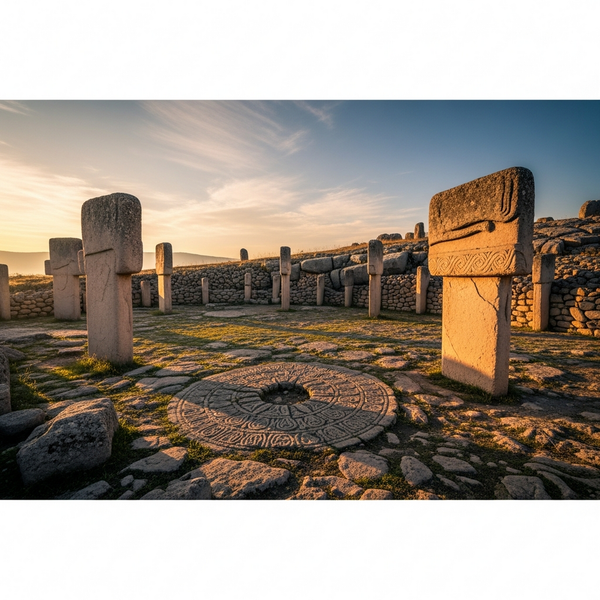
Imagine a site that predates Stonehenge by more than 6,000 years nestled in the Turkish landscape. Göbeklitepe, discovered in the 1990s and gaining international attention, has become a focal point for archaeologists seeking to understand humanity's earliest spiritual and societal origins. This UNESCO World Heritage site features massive T-shaped limestone pillars arranged in circular enclosures, each decorated with intricate carvings that depict animals and abstract symbols. The prevailing mystery is how these early humans, thought to be hunter-gatherers, managed to construct such complex monuments without metal tools or wheeled vehicles. Moreover, Göbeklitepe's existence raises profound questions about the origins of organized religion and social hierarchy, as it seemingly was built for ritualistic purposes rather than daily survival. This profoundly shifts the timeline of human architectural and spiritual development, challenging the assumption that complex societies only emerged with agriculture and settled communities. The site's significance lies not only in its age but also in what it reveals about the cognitive abilities and cultural practices of our ancestors, inviting us to rethink the evolution of human consciousness and communal belief systems.
The Mysteries Enshrined in Carvings and Architectural Design
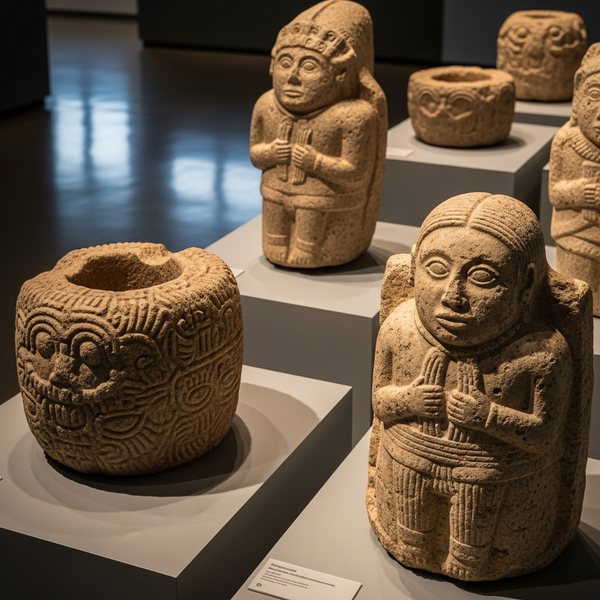
One of the most captivating aspects of Göbeklitepe is the detailed carvings adorning the pillars, which depict animals like snakes, boars, lions, and birds, as well as abstract symbols whose meanings remain inscrutable to this day. These carvings suggest that early humans had complex symbolic or mythological ideas, perhaps associated with fertility, hunting magic, or spiritual beliefs that preceded writing and organized religion. The architectural design itself defies traditional progression theories of societal development, as it indicates a deliberate effort to create communal ritual spaces long before the advent of farming. The circular arrangement of the pillars suggests ceremonial gatherings that likely played a central role in social cohesion or spiritual practice. Interestingly, recent excavations have revealed that Göbeklitepe was deliberately buried around 8000 BCE, possibly to preserve its sanctity or to mark the end of its use, adding another layer of mystery and cultural symbolism. The integration of architecture and symbolic carvings offers us a profound glimpse into the worldview of prehistoric humanity, providing clues that influence modern interpretations of human cognitive evolution.
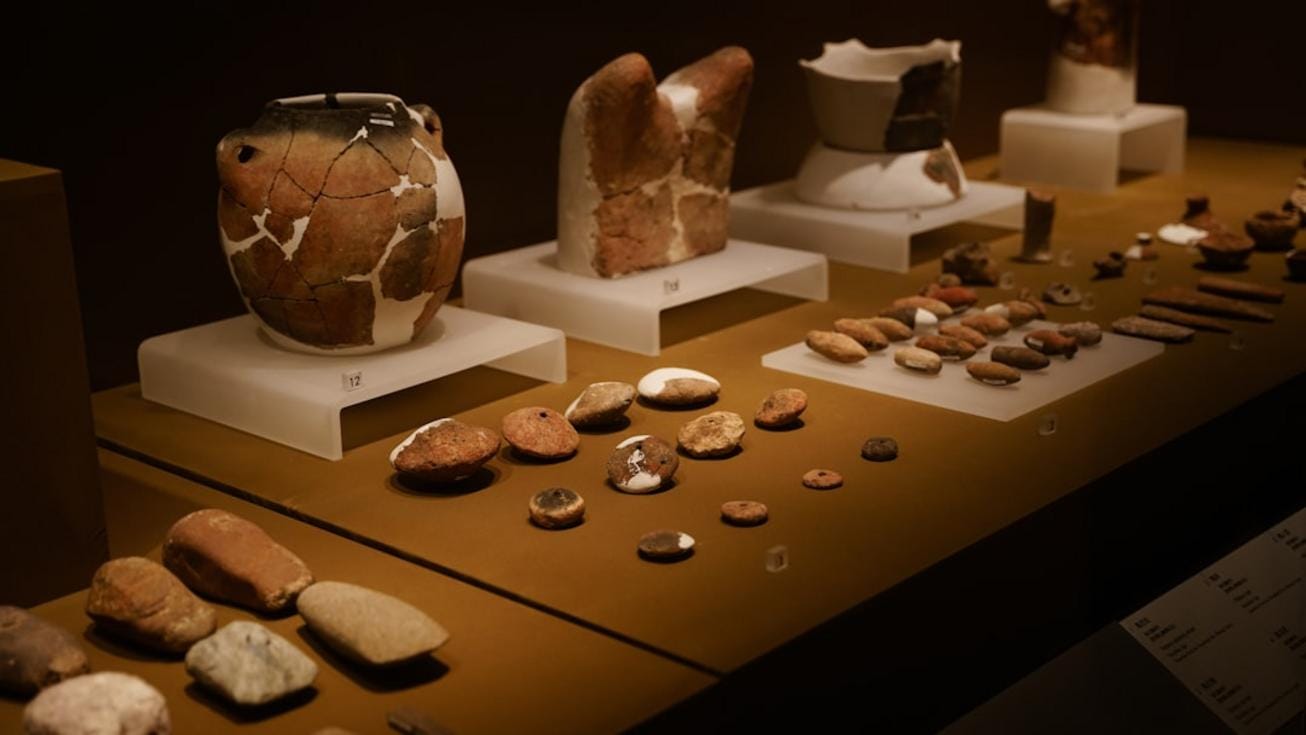
How Göbeklitepe's Discovery Reshapes Our Understanding of Early Human Society
The discovery of Göbeklitepe was nothing short of revolutionary in archaeological circles. It pushed back the timeline of monumental architecture and societal complexity by thousands of years, suggesting that early humans might have been capable of spiritual and social organization far earlier than previously believed. Traditionally, scholars associated complex social structures with the development of agriculture and settled life in the Neolithic period. However, Göbeklitepe’s existence indicates that forerunners of civilization engaged in ritual activities that could foster community cohesion long before these developments. This has led researchers to revisit theories about the evolution of religious beliefs, social hierarchy, and cultural practices among early hunter-gatherer groups. Furthermore, the site raises intriguing questions about the role of ritual spaces in unifying dispersed groups and establishing collective identities. The implications extend beyond archaeology: it challenges the linear progression assumptions about human history, suggesting that spiritual consciousness and cultural complexity emerged much earlier. As ongoing excavations continue to uncover artifacts and structural features, it becomes increasingly clear that Göbeklitepe may be a keystone to understanding human cognition, societal origins, and the spiritual mindset of our distant ancestors.