Göbeklitepe and the Revelations That Rewrite Human History
The Astonishing Breakthroughs at Göbeklitepe and Their Significance
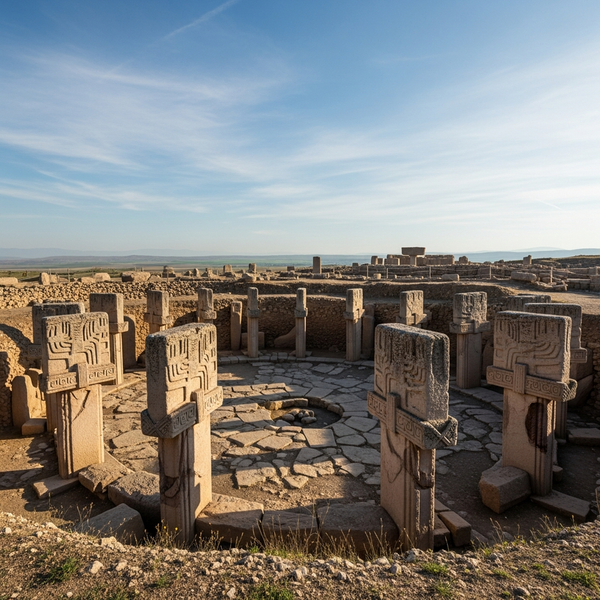
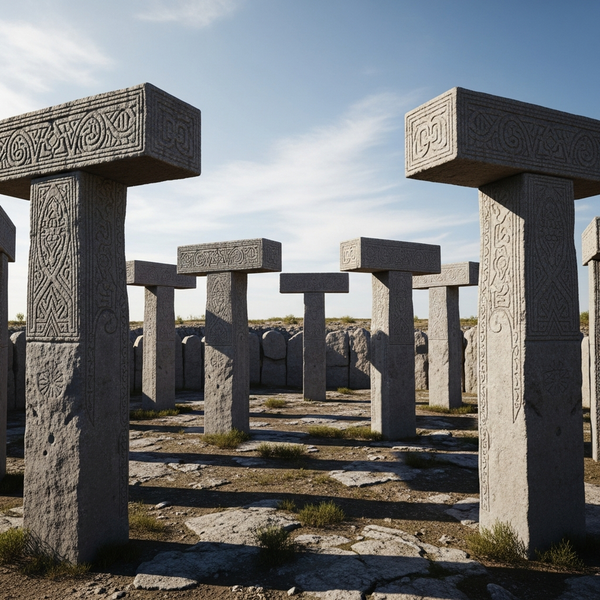
Now peering out from Göbeklitepe come findings of ancient stone setups - more than 12,000 years old, long before cities rose. Not long ago, digging here shifted views on how people lived before farming took hold. Surprisingly, these structures carry detailed carvings: creatures, strange patterns, plus tall T-form pillars. Built with care, they hint at rituals while speaking also of daily life arrangements. What we now call religion might have started much earlier than anyone thought, based on what has been found at this location. Long before people began growing crops, there were already structured rituals going on among early groups, suggesting deep belief networks existed much sooner than assumed. Because fresh excavations keep revealing older signs of gathering and symbolism, it appears Göbeklitepe may have served as an ancient sacred center. Here, ancient beings likely came together for shared rites, possibly laying the groundwork for larger communities over time. Such evidence matters beyond science - it touches realms like culture studies, past knowledge, and still today, personal belief systems among certain groups.
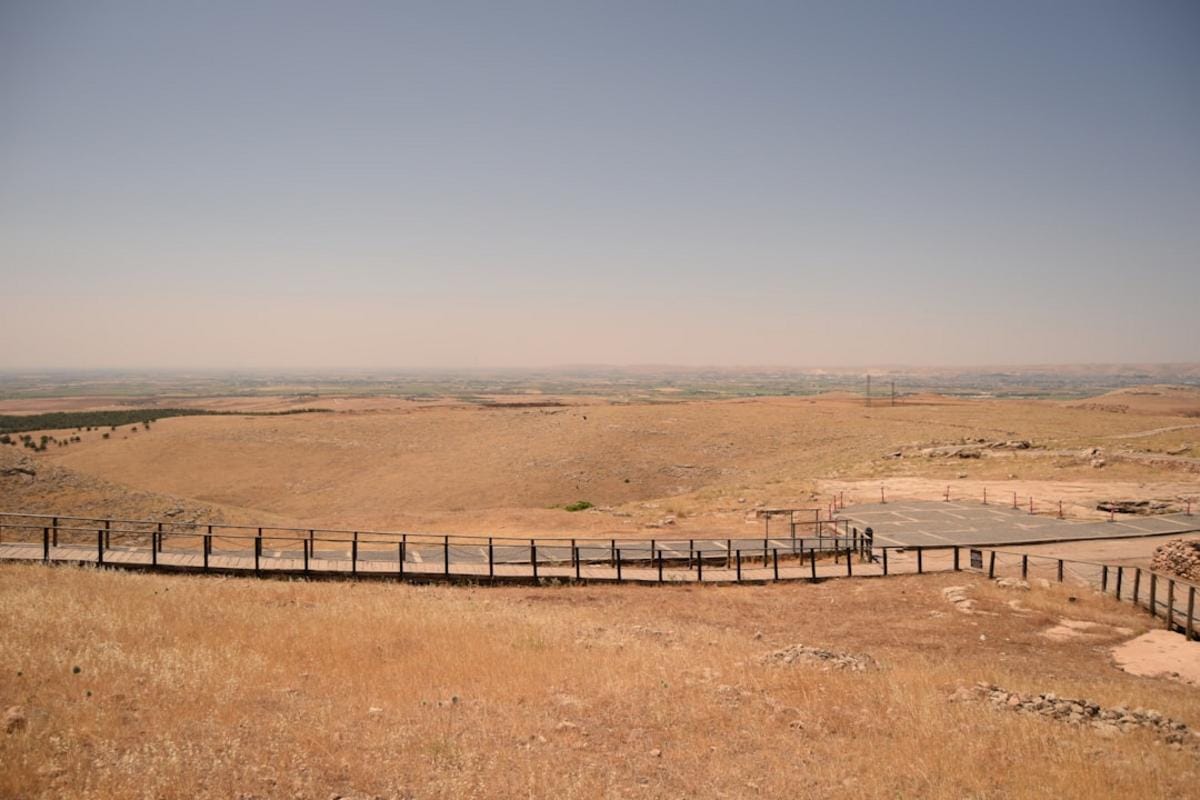
Unveiling the Early Human Life and Cultural Traces Through Excavation
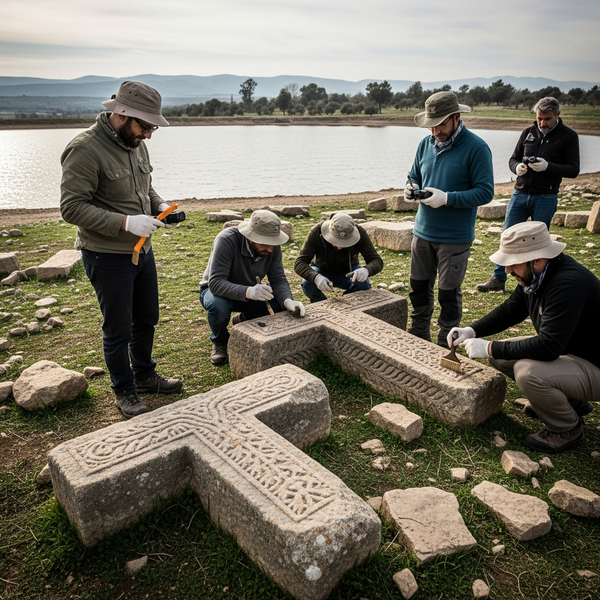
Digging up Göbeklitepe revealed big stone buildings, showing how important this place is. Layers nearby brought out animal remains, hand-made stones, even hints of symbols - these hint at smart hunting ways and deep respect for nature. Where people gathered, signs point to common rituals, teamwork, maybe unseen beliefs. Carved figures - snakes, boars, birds - hint at totemic ideas, suggesting animals carried deep meaning beyond survival. Around the perimeter, buildings form patterns, not random placements but planned layouts, suggesting roles among members, maybe leaders or priests. Digging carefully into such sites, step by slow step, has begun reshaping how we see early societies, revealing layers of structured life, of symbols, of community long before now.
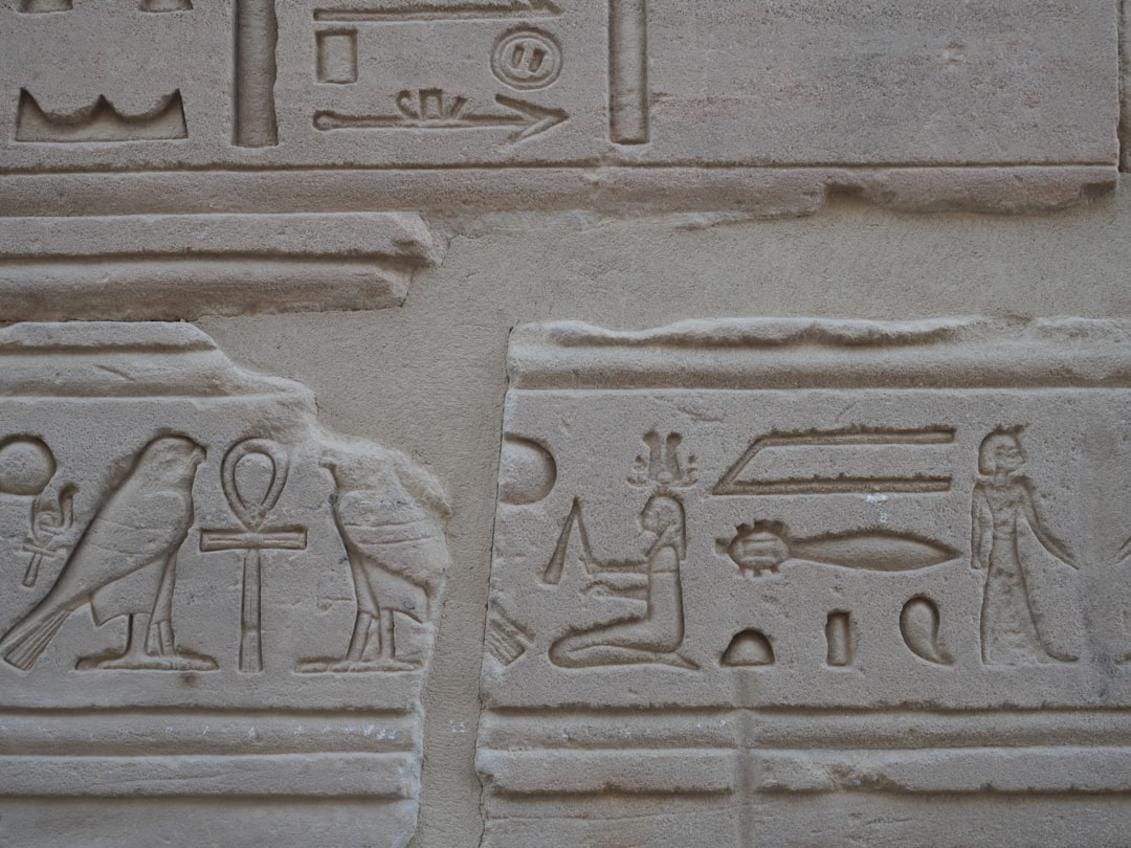
The Cultural Implications of Göbeklitepe’s Evidence of Advanced Beliefs
What stands out at Göbeklitepe is how it opens a window into ancient beliefs. Built in a way that feels deliberate, it may have been set apart for ceremonies. People might have gathered here to deepen bonds and connect with something greater. Rising from the ground, the tall stone pillars stand like figures from long-lost tales. Some see them as beings or people made of rock - evidence that ancient minds shaped views of life through stories and signs. When old buildings appear and vanish in patterns, it may signal deeper changes in belief. Over time, certain designs reappear - not by accident but on purpose - like quiet rituals built into daily life. This could mean shamans gave way to structured priesthoods, early forms of shared faith taking shape. Belief systems did not wait for cities or farming; they stirred long before written histories began. At Göbeklitepe, stone arrangements older than temples hint at reverence woven into existence. Rituals organized centuries before anyone called them religion may have shaped early societies far more than we assume. Right now, what we’re seeing hints at a community where spirits mattered deeply - maybe for understanding storms, staying safe together, or winning blessings from above - offering rare insight into ancient beliefs rooted in awe.