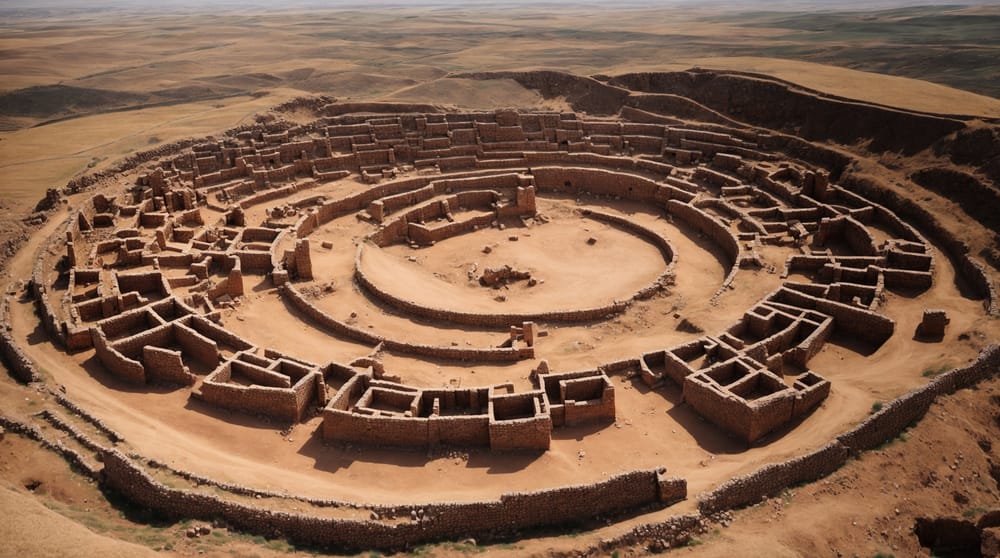
Gobeklitepe: Magnificent Civilization Unearthed
Gobeklitepe and its Historical Context
Göbeklitepe, situated in the southeastern part of modern Turkey, has reshaped our understanding of Neolithic civilizations and the birth of agriculture and societal structures. The site, estimated to be over 11,000 years old, predates the invention of pottery, metal tools, and the written word, offering a glimpse into the life of hunter-gatherers who were on the brink of transitioning into settled agricultural communities. As the world’s oldest known temple complex, its significance extends beyond simple structural accomplishments, touching upon the complex spiritual lives and communal practices of early humans.
Architectural Wonders of Göbeklitepe
The groundbreaking architecture of Göbeklitepe consists of multiple circular and oval structures, each supported by massive T-shaped limestone pillars, some towering over 5 meters high and weighing up to 10 tons. The intricacies and scale of these pillars suggest a high level of sophistication and organization amongst the prehistoric builders. The carvings on these pillars, depicting wild animals, abstract symbols, and humanoid figures, are believed to carry deep symbolic meanings, perhaps indicative of early spiritual or religious practices.

Excavations and studies conducted at Göbeklitepe have revealed a wealth of tools, artifacts, and remnants of animal bones, providing clues about the diet, trade, and possibly even the social hierarchies of the people who built and used this site. The precision with which these early peoples constructed their edifices and the apparent purposeful placement of these structures suggest a degree of planning and cultural complexity previously unknown for such an early period in human history.
Mysteries Still Buried
Despite numerous studies, many aspects of Göbeklitepe remain shrouded in mystery. Questions about how and why these massive structures were built, the reason for their eventual burial, and the exact nature of ceremonies or rituals performed here, linger. Theories range from astronomical observatories to sites of immense religious significance, with each hypothesis sparking debates amongst historians and archaeologists. Ongoing research and new technological applications in the field may soon provide deeper insights into this ancient enigma.