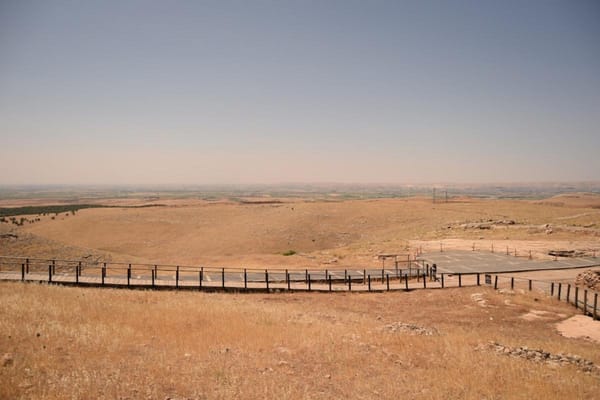
Göbeklitepe: Reconstructing the Echoes of Prehistoric Worship
Göbeklitepe presents an archaeological enigma that challenges our understanding of prehistoric societies. Discovered in the late 20th century in southeastern Turkey, this site dates back to the 10th millennium BCE. The monumental stone structures and intricate carvings suggest a complex society that prioritized spiritual and ceremonial practices long before the advent of written language or the establishment of cities. This raises intriguing questions about the role of shared beliefs in the formation of social structures and human culture.
Architectural Innovation at Göbeklitepe
The architecture of Göbeklitepe stands as a testament to the ingenuity of Neolithic peoples. Comprising multiple enclosures with large T-shaped pillars, the site exhibits an early form of architectural sophistication. Each pillar is crafted from limestone, weighing up to ten metric tons and features reliefs of animals and abstract symbols. Researchers speculate that these symbols could have been a form of proto-writing used for religious or ceremonial purposes, indicating a sophisticated understanding of symbolic communication.
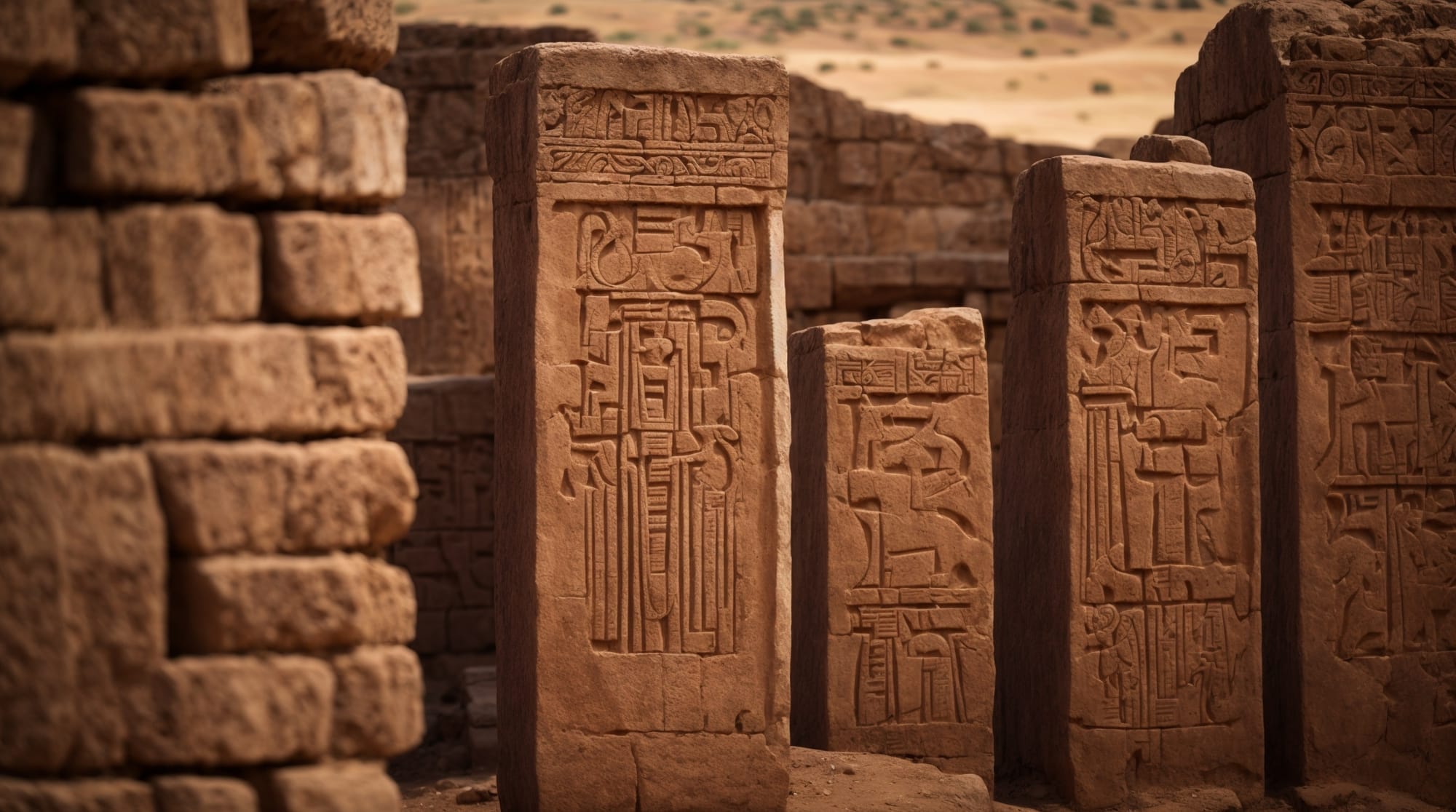
The layout of Göbeklitepe suggests a clear purpose in its design—likely oriented towards astronomical observations. Alignments of the pillars with solar events such as solstices and equinoxes indicate a deep understanding of celestial movements. This celestial connection is hypothesized to have played a central role in the rituals and religious life at Göbeklitepe, positioning it as not only a social gathering spot but a profound spiritual and cosmological center. Such alignments highlight the early human fascination with the cosmos and their desire to integrate this understanding into their spiritual practices.
The Spiritual Significance of Göbeklitepe
The spiritual implications of Göbeklitepe are immense. It is considered by many historians and archaeologists as the first temple or a significant religious site where ancient people engaged in complex rituals. It may have served as a pilgrimage destination for diverse groups, fostering a cultural exchange and shared religious ideology across vast areas. The presence of animal totems and carved figures indicates that these were not merely decorations but held profound spiritual significance, likely representing deities or cosmological principles central to the belief system of its builders.
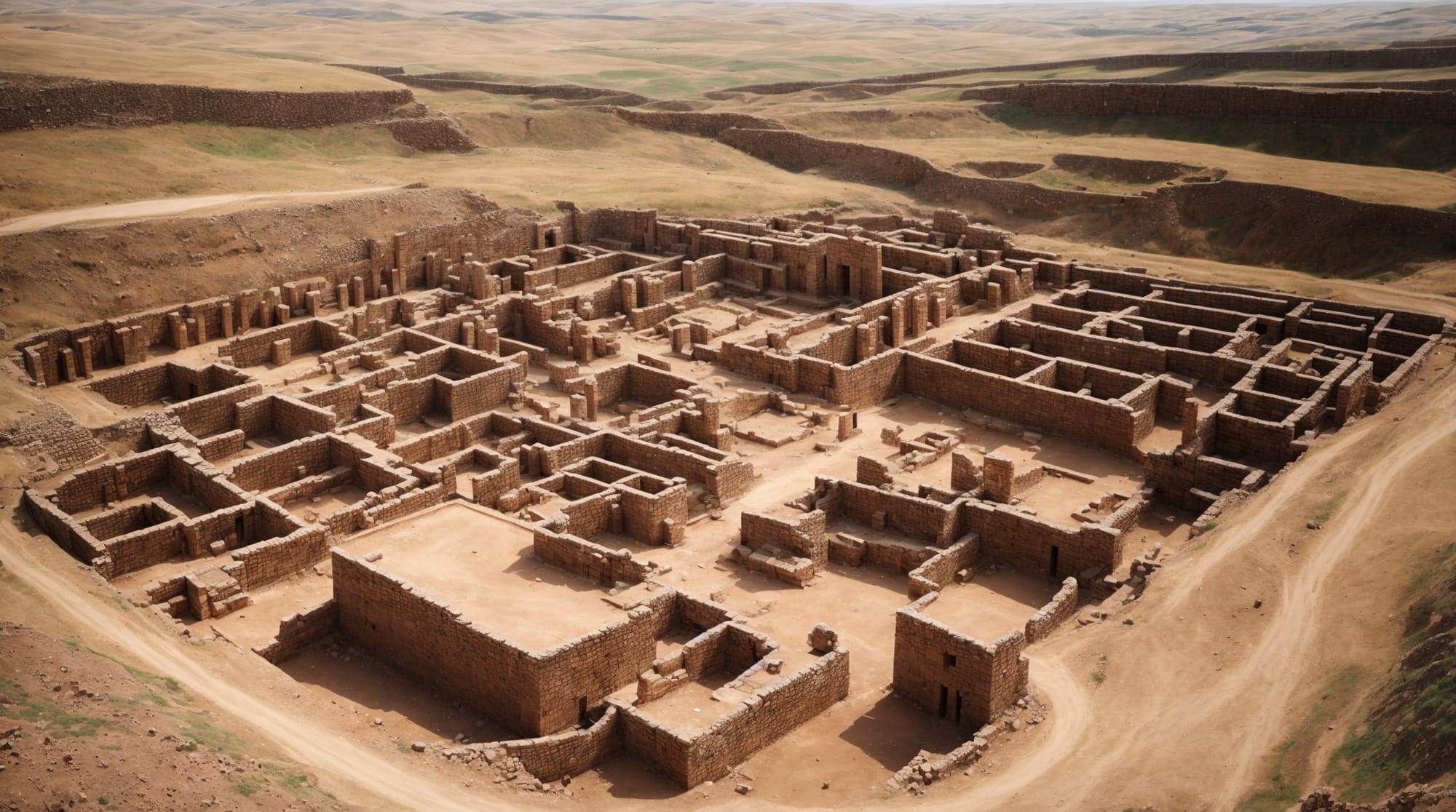
The discovery and ongoing excavations of Göbeklitepe have transformed our understanding of prehistoric human society. It compels us to reconsider the capabilities and complexities of Neolithic groups and the significant role spirituality and constructed sacred spaces played in their societal structures. As excavations continue and analyses deepen, Göbeklitepe will likely keep offering profound insights into the spiritual lives and cultural dynamics of early human societies.