Göbeklitepe: Tracing the Footsteps of Prehistoric Architects
Unveiling the Historical Significance of Göbeklitepe
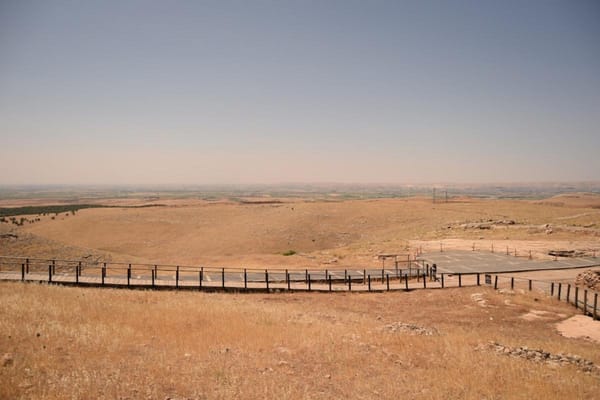
Göbeklitepe stands as a monumental testament to human ingenuity, predating Stonehenge by over 6,000 years. This ancient site, located in southeastern Turkey, is considered one of the most significant archaeological finds of the 21st century. Its discovery challenged our understanding of Neolithic cultures, suggesting that religious structures could have predated settled agricultural communities. The meticulous craftsmanship and alignment with celestial events hint at advanced organizational skills and astronomical knowledge.
Architectural Wonders of the Stone Age
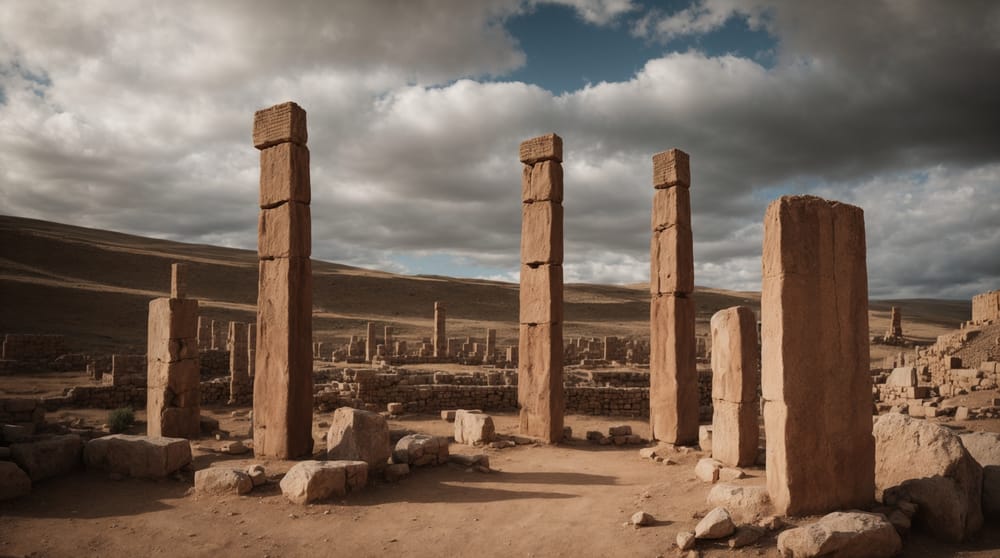
The architecture of Göbeklitepe is nothing short of awe-inspiring. The site consists of multiple circular and oval-shaped structures, each marked by massive T-shaped limestone pillars. These monoliths are intricately carved with depictions of wild animals, abstract symbols, and humanoid figures, suggesting a rich tapestry of prehistoric spirituality and communal life. This unique arrangement of pillars indicates a form of societal hierarchy or spiritual leadership, offering insights into the social organization of early Neolithic peoples.

Göbeklitepe's Contribution to Understanding Early Human Societies
Göbeklitepe provides tangible evidence of early human society's complexity. The coordination required to construct such large-scale structures implies a well-organized community with distinct roles and responsibilities. These early humans were capable of mobilizing large groups for common purposes, paving the way for modern civilization. The site's location also plays a significant role in our understanding of prehistoric human migration and settlement patterns, offering clues about the spread of agricultural practices across continents.
Exploring the Mystical and Astronomical Alignments
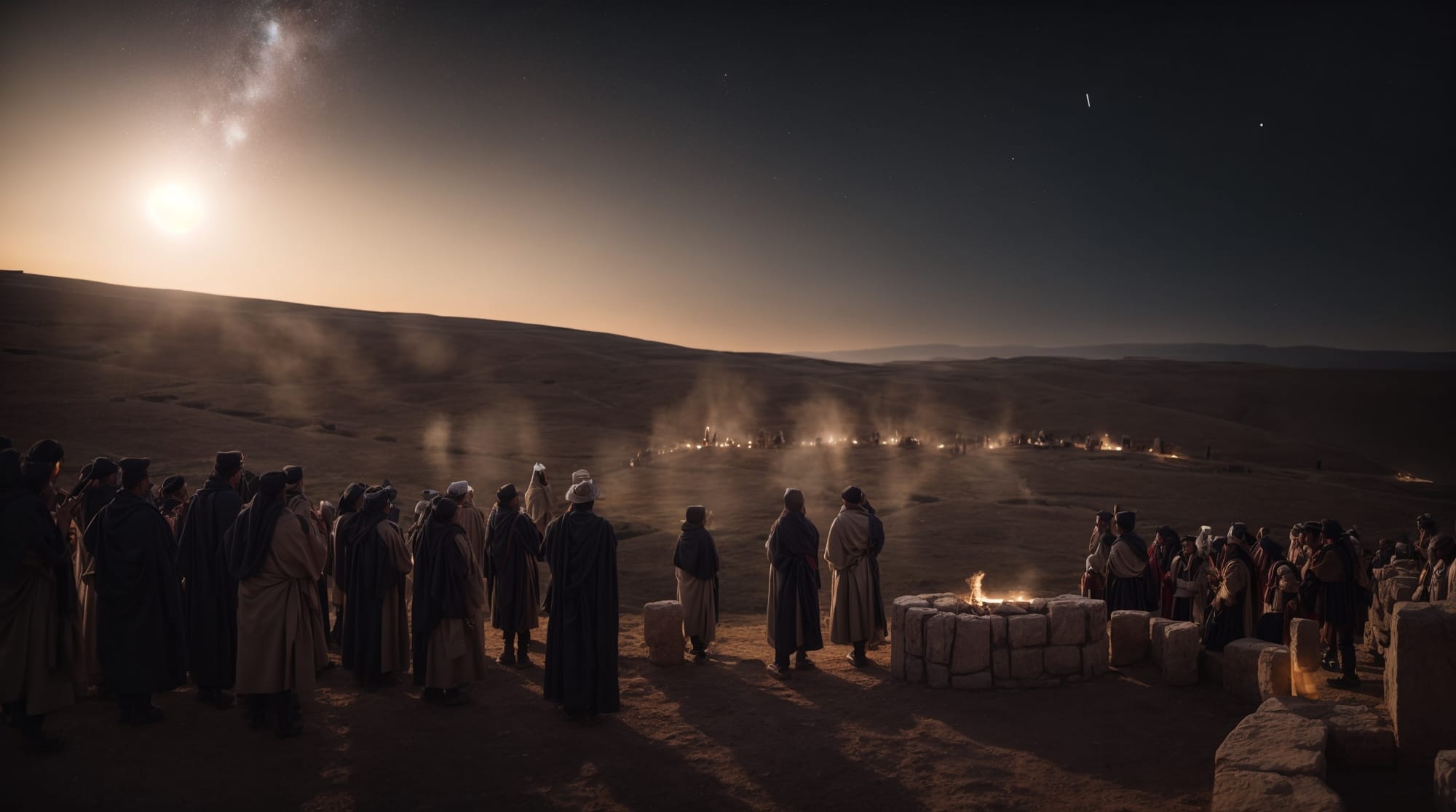
The orientation of Göbeklitepe's pillars suggests that its creators had profound astronomical knowledge. Many of the pillars are aligned to capture the solstices and equinoxes, which could have regulated religious ceremonies or communal gatherings. This connection between architecture and astronomy highlights the site's possible role as an ancient observatory or ceremonial center, providing early humans with a venue to gather, worship, and acquire knowledge about their world's celestial mechanics.
Preservation Efforts and the Future
The preservation of Göbeklitepe is critical in continuing to uncover the mysteries this site holds. Efforts by local and international bodies focus on protecting the site from environmental elements and human interference. This not only aids in its conservation but also ensures that future generations can learn from and experience this window into early human life. The ongoing research and excavation efforts are bound to reveal even more about our distant ancestors, potentially redefining our understanding of the Neolithic era.