Göbeklitepe Unveiled Discoveries That Reshape Our Understanding of Human History
Revolutionary Discoveries at Göbeklitepe and Their Impact on Understanding Human Origins
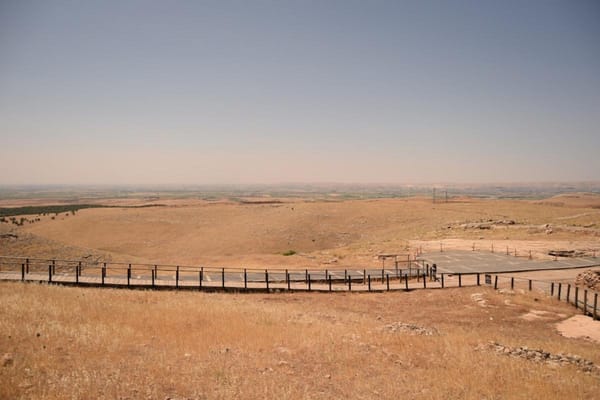
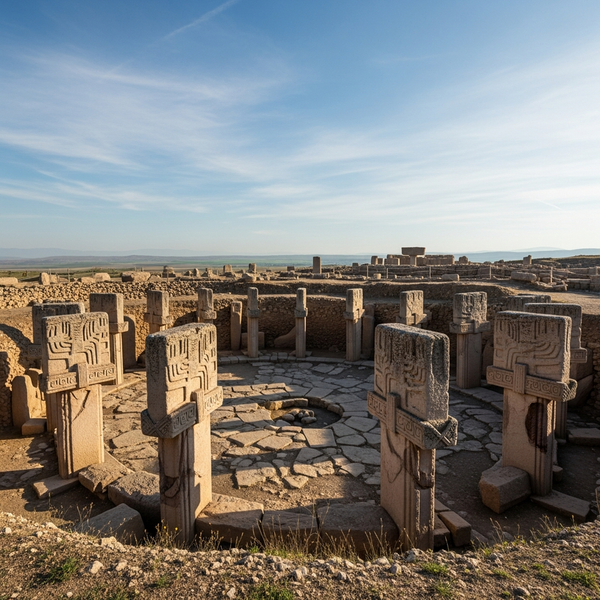
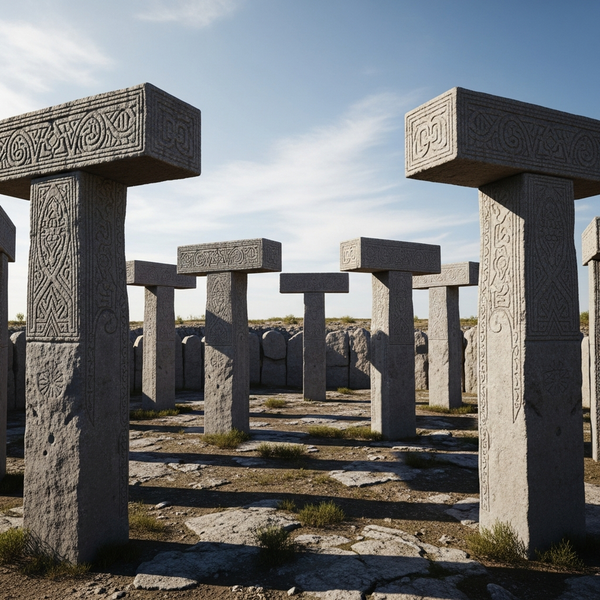
The archaeological site of Göbeklitepe in southeastern Turkey has fundamentally altered our perceptions of early human societies. Discovered in the 1990s, this ancient complex dates back approximately 12,000 years, predating the advent of agriculture and settled life. The significance of these findings lies not merely in their age but in their sophisticated construction and mysterious purpose. Unlike other Neolithic sites, Göbeklitepe features massive T-shaped stone pillars intricately carved with animal motifs, abstract symbols, and depictions that hint at spiritual or ritualistic practices. These discoveries propel us into a time when early humans may have begun to develop complex belief systems, perhaps even organized religion, well before the dawn of farming. The site’s orientation and the arrangement of its pillars suggest that it was a ceremonial center, possibly used for communal rituals that bonded early human groups. What is particularly striking about Göbeklitepe is that it challenges the conventional timeline that linked cultural complexity solely with agricultural development and permanent settlements. Instead, it indicates that spiritual and social structures were emerging in hunter-gatherer societies, reshaping our understanding of human cultural evolution.

Early Human Life and the Significance of Religious Rituals at Göbeklitepe
The revelations from Göbeklitepe have profound implications for our understanding of early human life. The painstaking efforts involved in quarrying, transporting, and erecting these enormous stone pillars suggest a highly organized social structure capable of coordinated labor. The fascinating aspect is that these structures predate farming, indicating that complex social and spiritual activities emerged among nomadic hunter-gatherer groups. The animal carvings and symbols found on the pillars appear to have had ritual significance, possibly serving as representations of mythological beings or ancestors. This raises intriguing questions about the role of spirituality and religion in fostering social cohesion and cultural identity. Researchers now believe that early humans at Göbeklitepe prioritized spiritual expressions over survival needs, emphasizing that the development of complex belief systems was a catalyst for societal growth long before settled agriculture. Excavations continue to unearth new artifacts, hinting at a vibrant spiritual life that was integral to early human community bonding, perhaps even acting as the birthplace of organized religion that would shape future civilizations.
Cultural Traces and the Broader Implications of Göbeklitepe for Humanity’s Past
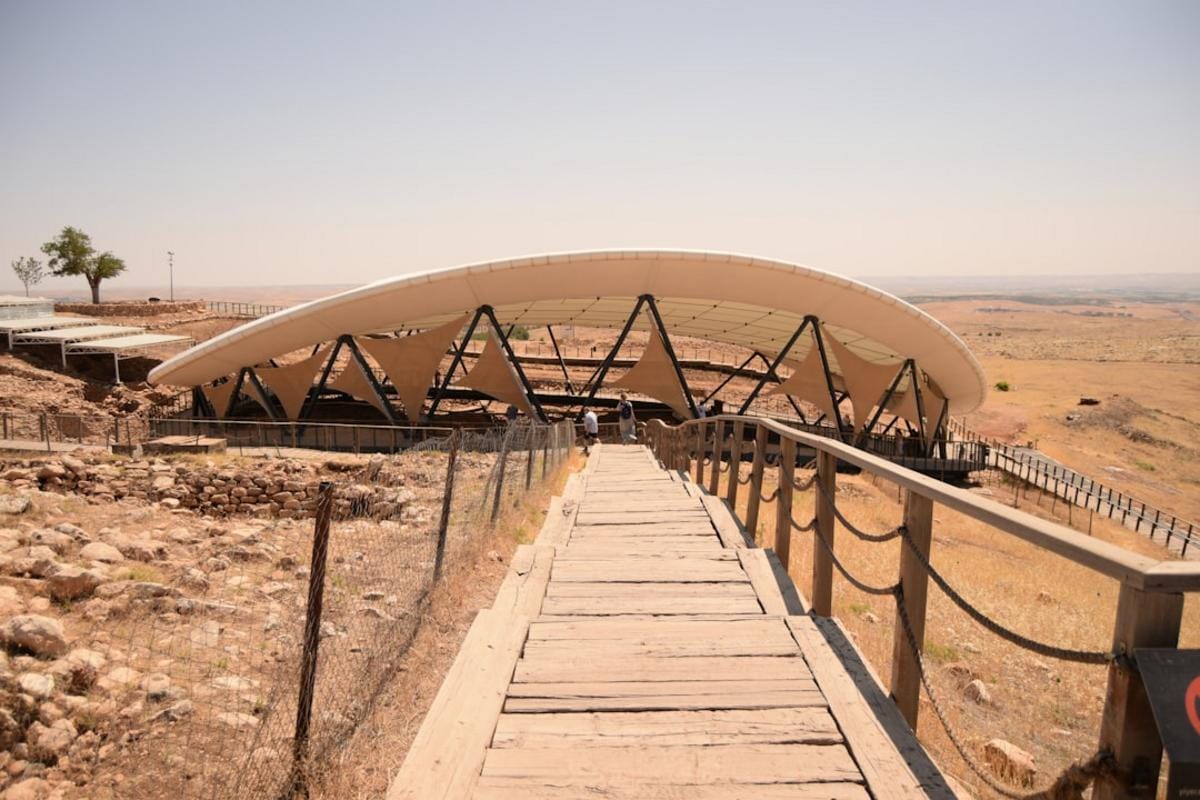
Göbeklitepe’s discoveries extend beyond its architectural marvels, providing invaluable insights into the cultural practices of early humans. The site features a wealth of artifacts, including stone tools and broken fragments of elaborate carvings that illuminate the ritualistic and social activities of its builders. These artifacts, combined with the spatial arrangement of the site, point to a sophisticated worldview that integrated religion, social hierarchy, and communal identity. The prominence of animal depictions hints at a worldview that revered nature and possibly sought to harness supernatural forces through ceremonial acts. As archaeologists piece together these cultural traces, it becomes evident that Göbeklitepe served as a spiritual nucleus, fostering a shared identity among diverse groups. Interestingly, many of these themes resonate across various ancient cultures, suggesting that the roots of human spirituality are universal and deeply ingrained. Exploring these traces allows modern researchers and enthusiasts to glimpse into the psyche of our ancestors, understanding how early rituals laid the foundations for complex civilizations that followed.