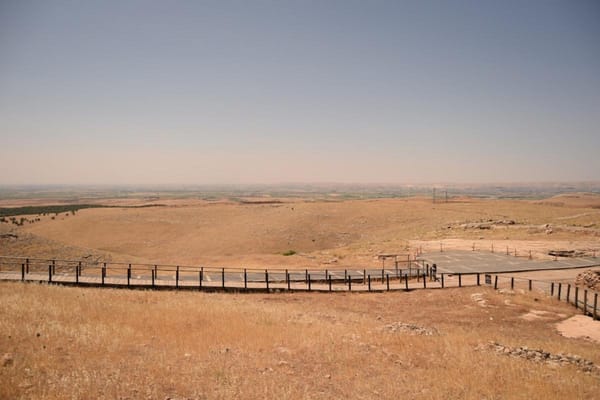
Göbeklitepe Unveiled Discoveries That Rewire Humanity's Ancient Past
The Remarkable Unveiling of Göbeklitepe and Its Ancient Significance
Göbeklitepe, often called the world's oldest known temple complex, has revolutionized our understanding of human history and prehistoric religion. Discovered inadvertently in the 1990s near Şanlıurfa in southeastern Turkey, this archaeological site dates back approximately 12,000 years to the late Epipaleolithic period. What makes Göbeklitepe extraordinary is not just its age but the sophisticated and enigmatic carvings and structures that challenge long-held assumptions about the capabilities of early humans. Unlike earlier theories that suggested humans in that era were primarily hunter-gatherers focused solely on survival, Göbeklitepe provides evidence that our ancestors possessed complex social, spiritual, and possibly ritualistic lives, indicating a sophisticated level of cultural development much earlier than previously believed.
New Discoveries and Insights Into Early Human Religious Practices
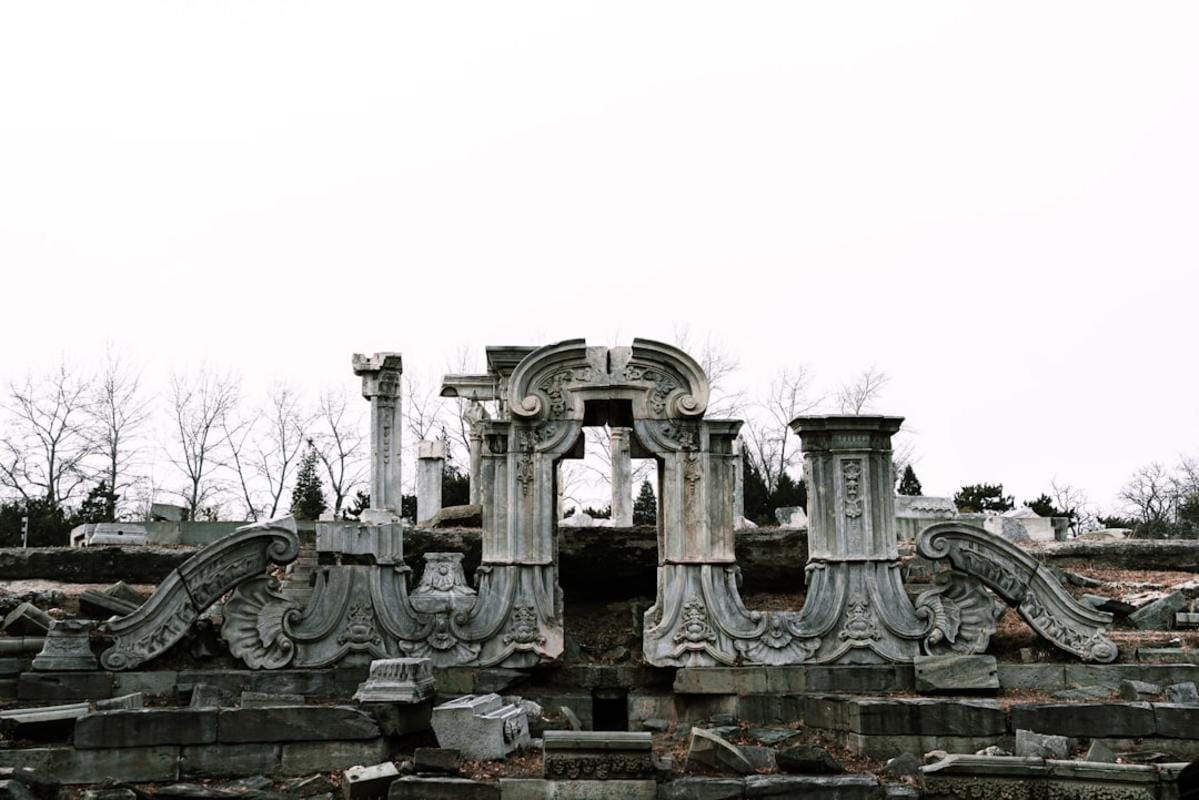
Recent excavations and research at Göbeklitepe continue to shed light on the profound spiritual life of its creators. Notably, archaeologists have uncovered intricately carved bas-reliefs depicting animals like snakes, lions, boars, and other creatures, which may have held symbolic or religious significance. These carvings suggest that the builders of Göbeklitepe not only engaged in architectural innovation but also possessed a rich symbolic language. The deliberate placement of T-shaped pillars, some towering up to 5.5 meters, correlates with the idea of a ritualistic space where early humans gathered for ceremonies—possibly to appeal to deities or spirits. Such discoveries suggest that belief systems and ritual practices played a pivotal role in early society, predating the development of settled farming communities and other later civilizations.
Cultural Traces and What They Tell Us About Our Ancestors
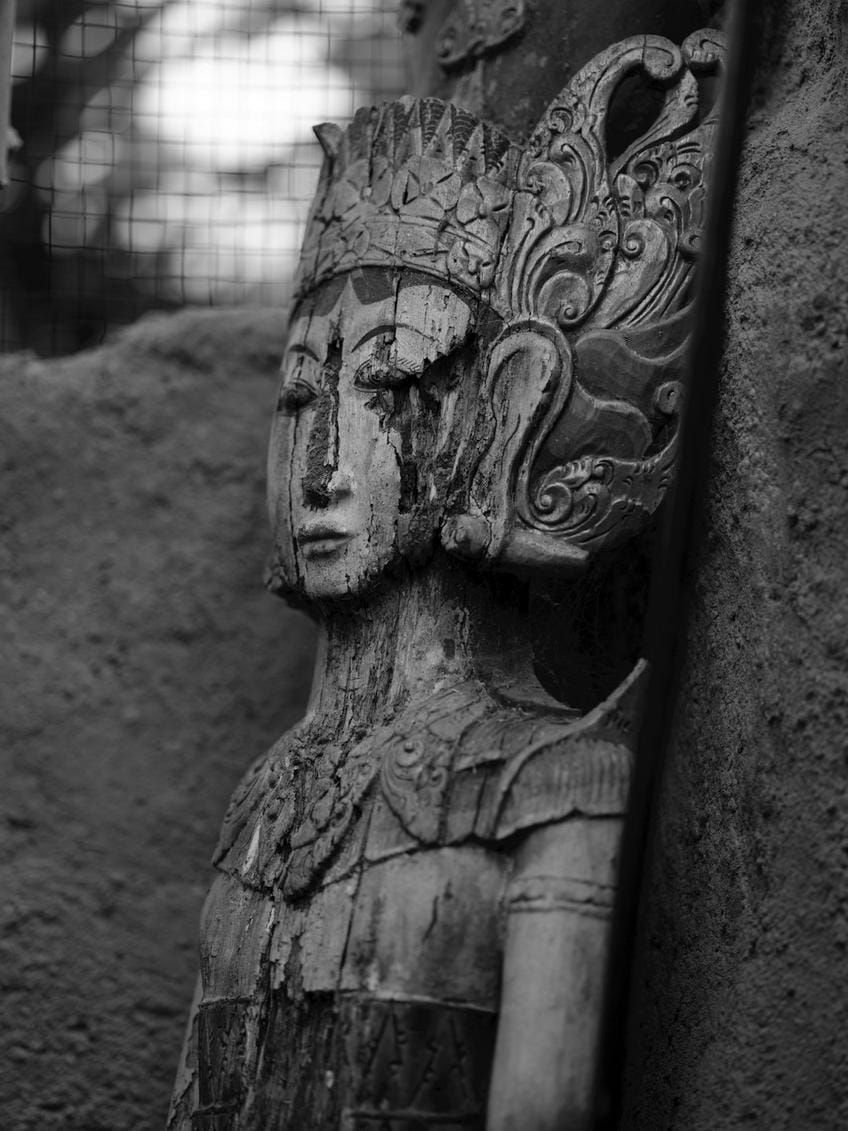
Beyond its architecture and carvings, Göbeklitepe offers invaluable insights into early social organization and cultural practices. The site’s circular enclosures and carefully arranged pillars suggest communal activities and shared spiritual beliefs. Interestingly, the absence of domestic artifacts indicates that Göbeklitepe was not a settlement but perhaps a ceremonial hub—highlighting the early importance of religious and cultural gatherings. Archaeologists have also found evidence of later reuse, as some structures seem to have been deliberately buried, possibly as part of ritual obfuscation or renewal. Such cultural traces point to an evolving spiritual landscape among prehistoric people, marking the transition from nomadic hunter-gatherers to more complex societal groups with organized religious practices. These findings continue to challenge traditional models and invite us to reconsider the origins of cultural continuity and the development of religious ideas that still resonate today.