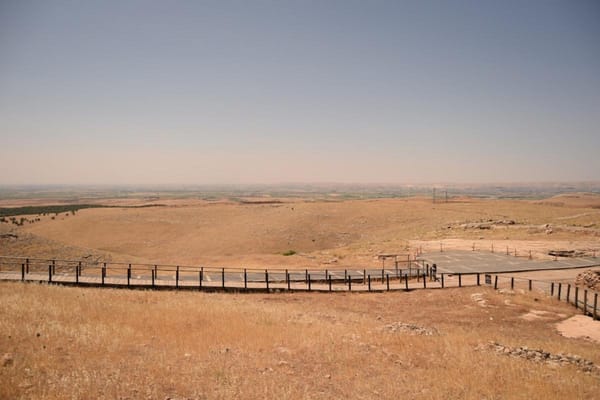
Göbeklitepe Unveiled How 12 000-Year-Old Discoveries Redefine Human History
Göbeklitepe Is revolutionizing our understanding of prehistoric human civilization
Nestled in the southeastern region of Turkey, Göbeklitepe stands as a monumental testament to early human ingenuity and spiritual expression. Discovered in the 1990s, this archaeological site is estimated to be over 12,000 years old, predating Stonehenge by several millennia. The site comprises massive T-shaped limestone pillars arranged in circular enclosures, which experts believe served as ceremonial spaces. What makes Göbeklitepe particularly compelling is that it challenges long-standing assumptions about the progression of human civilization, especially regarding the shift from hunting-and-gathering societies to more settled, complex communities. Its intricate carvings, some of which depict animals like boars, snakes, and birds, along with abstract symbols, point towards a sophisticated belief system that prioritized ritual and perhaps even early forms of religion. This discovery prompts us to reconsider how early humans viewed their world and interacted with the environment around them, emphasizing the importance of spiritual life even at the dawn of complex social organization. While many ancient sites postdate Göbeklitepe, its existence suggests that humans may have engaged in religious or spiritual practices much earlier than previously believed, reshaping our entire narrative of cultural evolution.
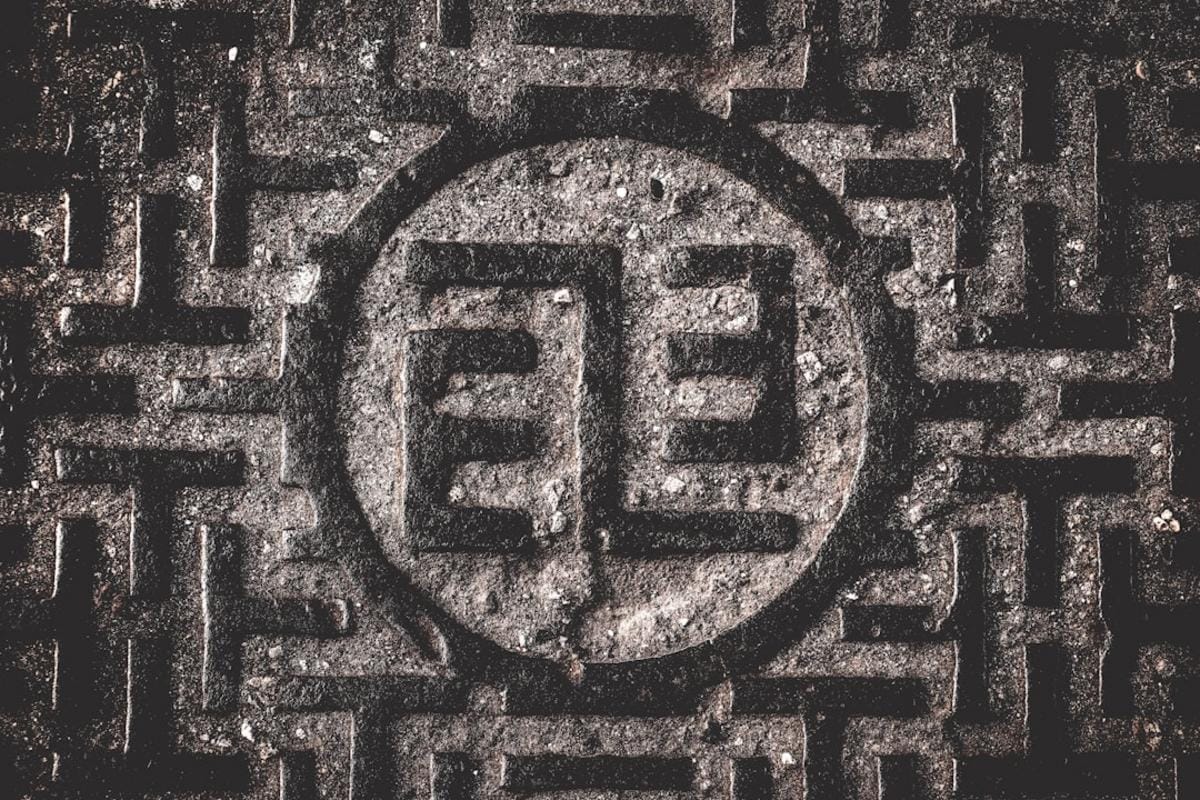
Unearthing secrets of early human beliefs through archaeological discoveries at Göbeklitepe
The excavation of Göbeklitepe has provided an unprecedented window into the spiritual lives of our distant ancestors. The site’s newly uncovered structures continue to astonish archaeologists, particularly due to their age and complexity. Unlike other prehistoric sites that often consist of simple tool assemblages, Göbeklitepe features precisely carved pillars bearing intricate reliefs and symbolic engravings. These carvings depict animals that might have been significant in ritual contexts, possibly representing totemic entities or sacred animals associated with early mythologies. Remarkably, the site lacks evidence of domestic habitation, leading scholars to conclude that Göbeklitepe served a ceremonial purpose rather than an ordinary settlement. This observation supports the theory that early humans invested considerable effort into constructing dedicated spiritual spaces, emphasizing that religion or ritual was integral to their worldview. Findings from Göbeklitepe have also prompted a reevaluation of the timeline of spiritual development, pushing back the origins of organized religious practices by thousands of years. The ongoing excavations continue to unveil fascinating aspects of early human beliefs, guiding us toward a deeper understanding of how consciousness and spirituality evolved alongside social complexity.
Cultural traces and the broader significance of Göbeklitepe in human history
The implications of Göbeklitepe extend beyond its monumental structures and carved symbols. The site offers tangible clues about the cultural practices of early humans, suggesting that their social and spiritual worlds were more complex and interconnected than previously assumed. The placement of the pillars and enclosures indicates careful planning and communal effort, hinting at early forms of collective cooperation driven by shared beliefs. Moreover, the site’s orientation and spatial arrangements may reveal astronomical or calendrical considerations, reinforcing the idea that early religious centers served multiple purposes, from ritual to seasonal observance. The discovery has also inspired comparisons with other ancient sites, pointing towards a possible global pattern of early spiritual hubs. By studying these cultural traces, archaeologists aim to understand how early religious practices laid the foundation for subsequent complex societies. The broader significance of Göbeklitepe is also a reflection of humanity’s innate need for meaning and connection—traits that have persisted through generations and continue to shape our understanding of civilization today. As research progresses, the site continues to generate insights into the earliest expressions of human spirituality and culture, encouraging us to rethink our origins in a more nuanced, spiritually aware context.