Gobeklitepe Unveiled: Humanity's Ancient Sacred Site and Its Mysteries
Gobeklitepe: The Dawn of Human Civilization and Its Enigmatic Origins
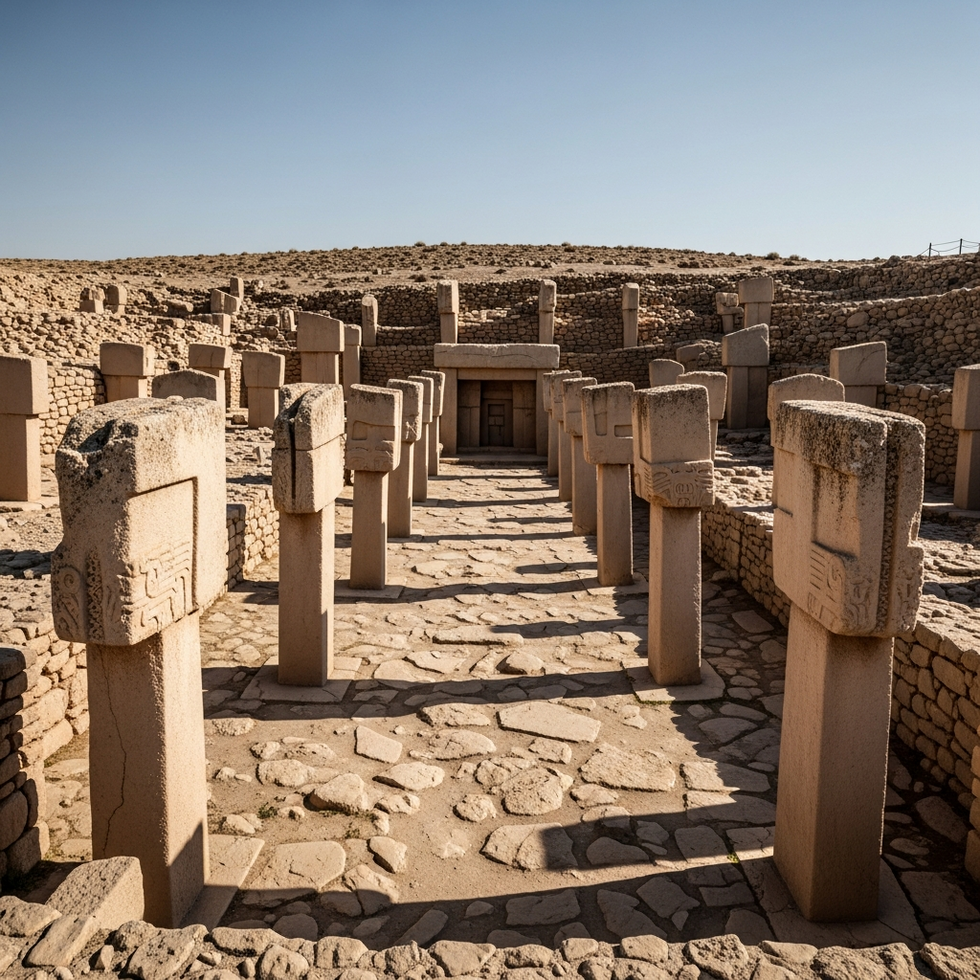
Up in southeastern Turkey sits Gobeklitepe, a place some call revolutionary because it turned our entire story of ancient life upside down. Not far from other old spots linked to farming ages, this stands tall - built long before stones like Stonehenge held shape, around 11,000 years back. What rises here isn’t just stone stacked by chance; it’s evidence of careful planning, skill, and possibly belief, carved into rock by hands we can barely imagine. More than 200 giant slabs form rings across the hillside, each one showing creatures, strange patterns, and beings that look almost like people. That mix - the detail, the variety, the way it feels layered with meaning - hints at rituals deeper than survival. Look at those details - Gobeklitepe might have been where ancient groups gathered for shared rites, giving it a central role in faith and tradition instead of just living space or dead burial spots. Now here's something odd: no signs of homes nearby, suggesting ceremony mattered most, showing early planners already knew how to shape grand buildings and symbolic designs well ahead of farming eras. Back in the 1990s, Turkish expert Dr. Klaus Schmidt found the place, shaking up old views on Stone Age life, sparking fresh questions about how communities grew complex, what beliefs took root, and why some structures still call attention today. From the start, those who found Gobeklitepe also shaped how later digs unfolded - showing a society far more skilled than assumed. Its roots stretch into ancient times, where early beliefs about faith and group life now seem older than first thought.
The Archaeological Breakthroughs and Insights from Gobeklitepe
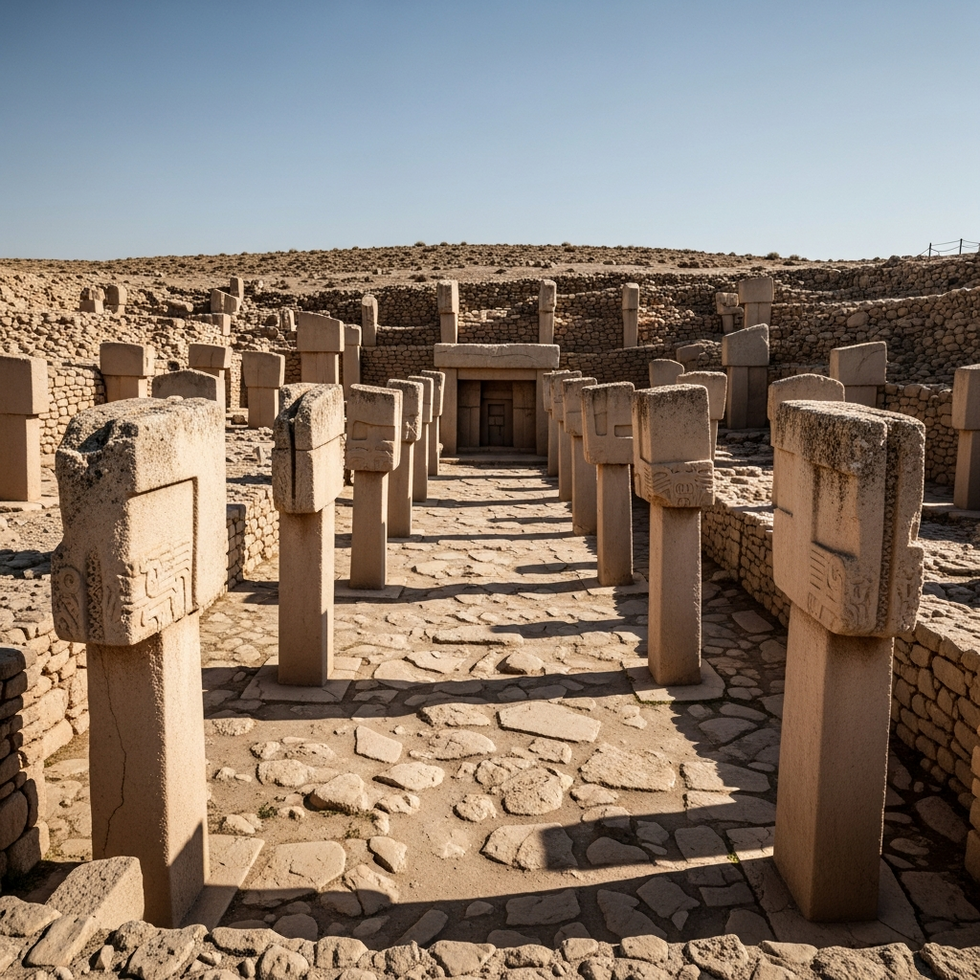
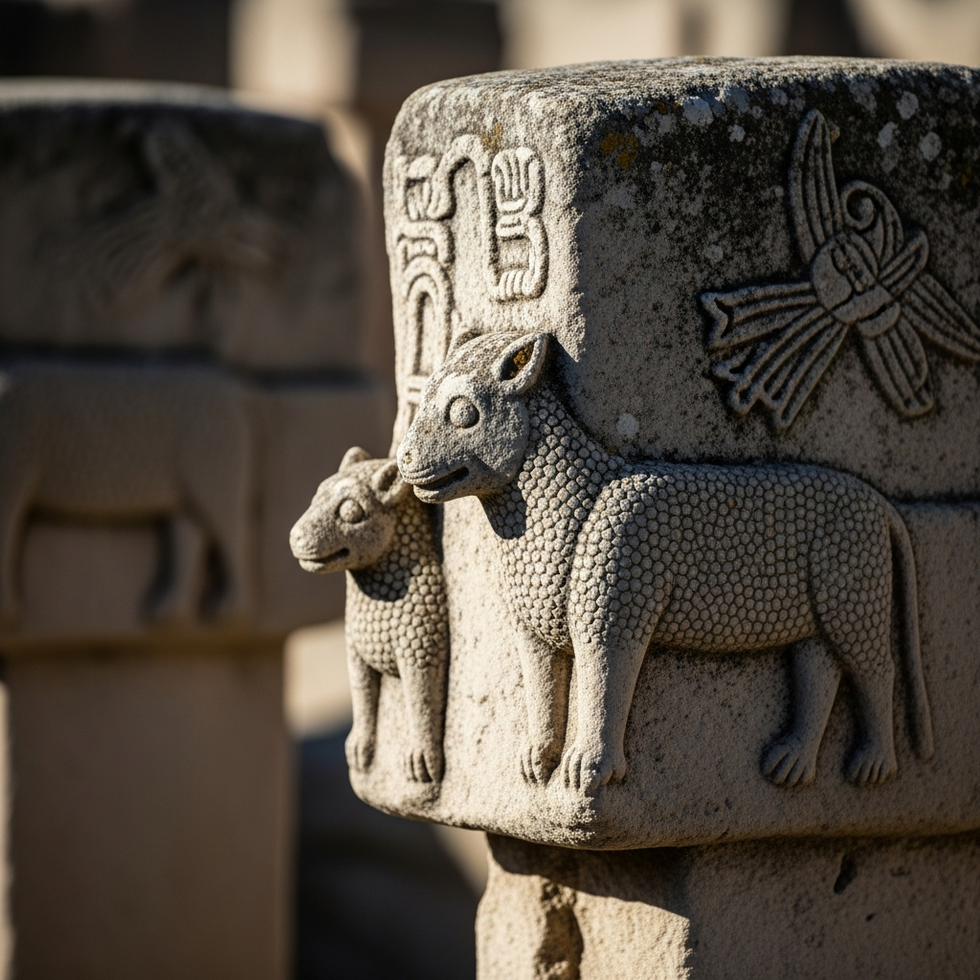
Fresh digs at Gobeklitepe keep turning up surprising finds, changing how we see ancient communities. Instead of just seeing homes or farming tools, the place reveals temples built long ago - proof that faith shaped early life. Towering stone columns, nearly five meters high, show up; each cut from faraway sites, moved by hand, some reaching twenty tons in weight. Delicate carvings show lions, snakes, boars - also shapes that might be signs or prayers. Experts say these drawings could be language or faith in old shapes. Stones stand in order, like steps through time, showing skill beyond mere gathering. Building like this took many hands working together long ago. Some believe people came here not just for survival but for common hallowed ground. A change in how clans lived may hide in the rock's layers. Spirituality among different tribes might have begun right here. Lately, scientists have turned to tools like ground-penetrating radar to uncover hidden underground features and potential tombs beneath Gobeklitepe, suggesting a larger ritual network once existed. Because of these findings, arguments flare up again about how primitive human communities began forming gods, leaders, and structured ways of living together - making Gobeklitepe a central site where experts question the origins of our collective past.
Reevaluating Humanity’s Origins Through the Lens of Gobeklitepe
What makes Gobeklitepe stand out isn’t just its large size or intricate designs - it forces a rethink of where humans began and how fast things changed. For years, experts believed big civilizations and stone buildings didn’t appear until about 3000 BCE, tied to farming and village life. But now, after testing charcoal remains, evidence suggests complex temples already flourished more than 9,000 years ahead of that timeline. It strikes us how quickly minds turn to meaning, suggesting people valued rituals long before farming began. This hints at layers beneath simple survival, where belonging through ceremony shaped behavior early on. What stands clear now is how deeply shared meanings once woven societies together. Looking closer at old patterns reveals echoes linking distant groups through common thought forms. Spirituality could quietly stand between these worlds, bridging differences without words. What lies at Gobeklitepe hints at deeper layers - belief shaped behavior long before stone tools dominated landscapes. Collective thought, paired with ritual practice, quietly defines what it means to be human, roots running far beyond fossil records.