Göbeklitepe Unveiled Revealing Humanity's Ancient Mysteries and Sacred Foundations
The Enigmatic Origins of Göbeklitepe and Its Role in Human History
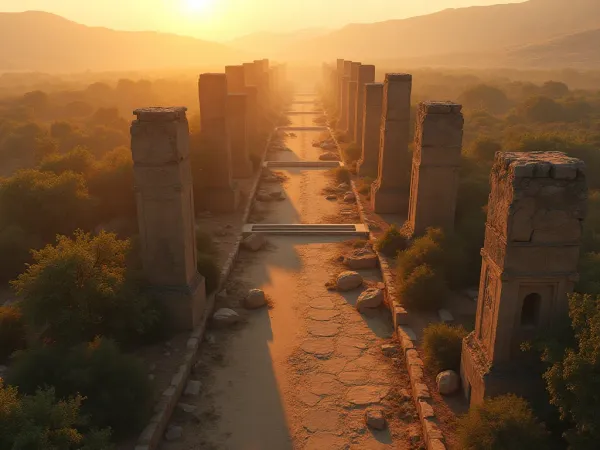
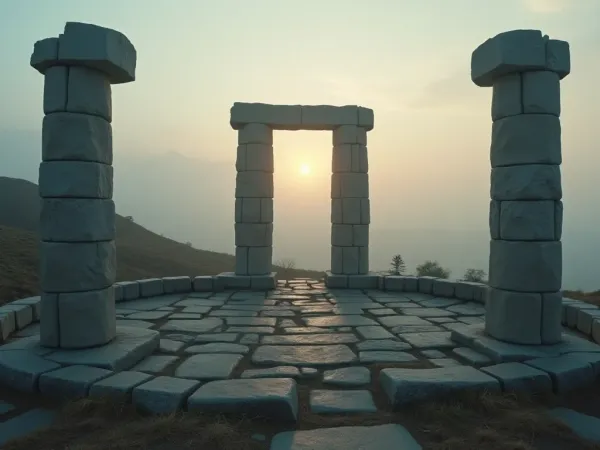
Imagine a site that predates the invention of farming, was built by hunter-gatherers, and features monumental stone circles and intricate carvings, all dating back nearly 12,000 years. This is Göbeklitepe, an archaeological marvel located in southeastern Turkey, which has fundamentally altered our perception of prehistoric civilizations. Historically, it was long believed that complex social and religious structures only emerged with settled agricultural societies; however, Göbeklitepe challenges this narrative by showcasing sophisticated architecture and spiritual symbolism created by nomadic groups. The site's unique layout, with massive T-shaped pillars arranged in circular enclosures, hints at ritualistic purposes that remain shrouded in mystery. What motivated these ancient people to carve elaborate images of animals and abstract symbols into stone? Was Göbeklitepe a religious center, a communal gathering place, or perhaps something else entirely? These questions continue to provoke debate among archaeologists and historians, revealing how little we truly understand about human development during this crucial transitional period. The discovery of Göbeklitepe, initially dismissed as a collection of natural formations, has since become a focal point for studying prehistoric religious practices, social organization, and early cultural expressions, prompting us to rethink the evolution of civilization itself.

Deciphering the Symbols and the Cultural Significance of Göbeklitepe
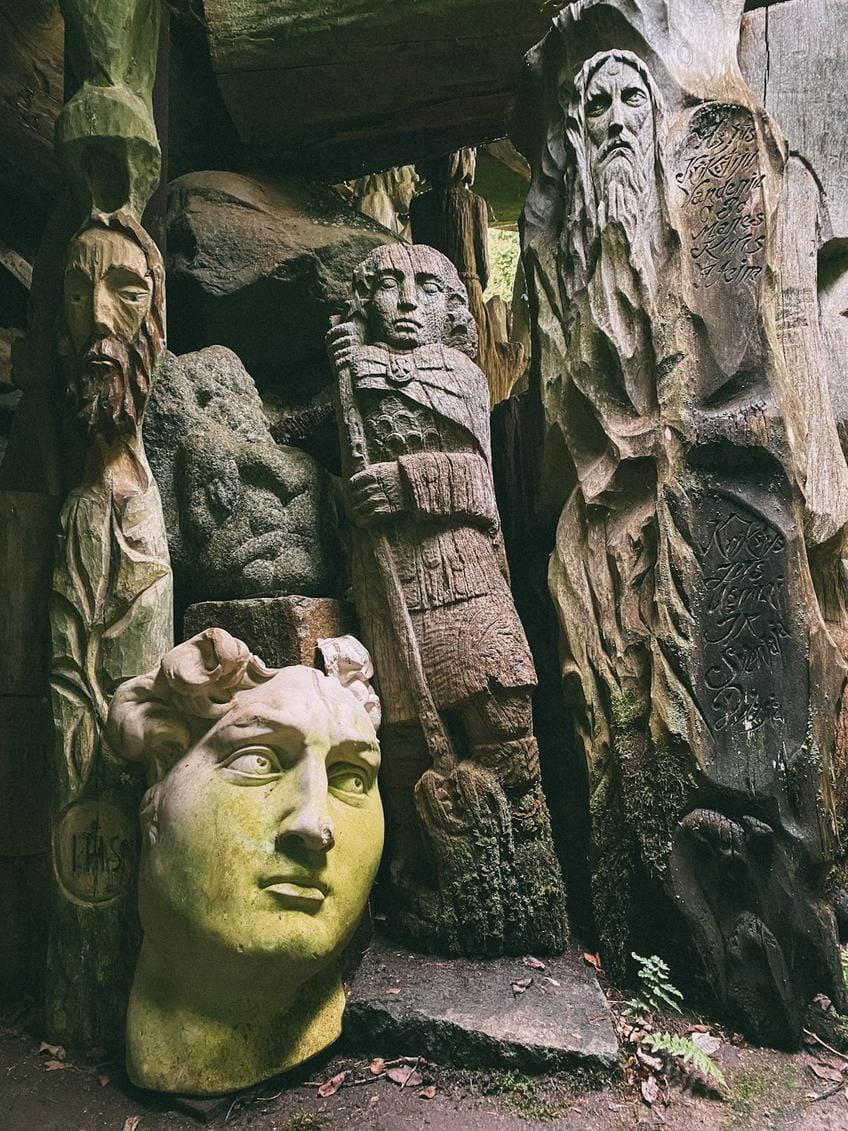
The carvings and reliefs found on Göbeklitepe's pillars are among the site’s most intriguing features. They depict a range of animals—lions, snakes, boars, and birds—crafted with remarkable detail and spiritual significance. These images could represent totemic symbols, mythological narratives, or shamanic visions, serving as windows into the belief systems of ancient peoples. Some scholars hypothesize that Göbeklitepe functioned as a sacred space where rituals symbolized a connection to the spiritual world, perhaps aimed at ensuring fertility, success in hunting, or cosmological balance. The recurring motifs and abstract symbols suggest a complex hierarchical society centered around shared myths or religious stories. Interestingly, many of these symbols also echo later prehistoric art, indicating a possible cultural continuity or shared symbolic language rooted deep in human consciousness. Deciphering these symbols, however, remains a daunting task, cloaked in centuries of mystery. Contemporary researchers employ techniques such as spatial analysis and comparative mythology to unlock their secrets, continually enriching our understanding of early religious thought and social cohesion. The cultural traces etched into stone at Göbeklitepe remind us that even our most distant ancestors possessed a rich spiritual life and complex worldview that predates the rise of organized civilizations.
Implications for Our Understanding of Early Human Society and Religious Practices
The discoveries at Göbeklitepe have profound implications for how we understand the emergence of complex social and spiritual behaviors among early humans. Traditionally, anthropologists believed that such behaviors only surfaced with settled agricultural villages, marked by permanent architecture and organized religious institutions. Göbeklitepe upends this assumption by demonstrating that even nomadic groups capable of mobilizing large community efforts constructed monumental ritual sites long before farming took hold. Its existence suggests that spiritual and social cohesion may have been primary drivers in the development of human consciousness, serving to unite groups and forge shared identities. These early rituals might have laid the groundwork for later organized religions and societal hierarchies, indicating a continuity that stretches back to the dawn of human cultural development. Moreover, the spatial arrangement of the site, along with the carvings and symbolic imagery, supports the idea that early human societies engaged in complex ritual practices aimed at understanding their place in the cosmos. Such insights deepen our appreciation of human ingenuity and the enduring power of spiritual expression, which continues to shape societies even today. As new discoveries emerge, Göbeklitepe remains a vital key to unlocking the mysteries of early religious practices and social organization.