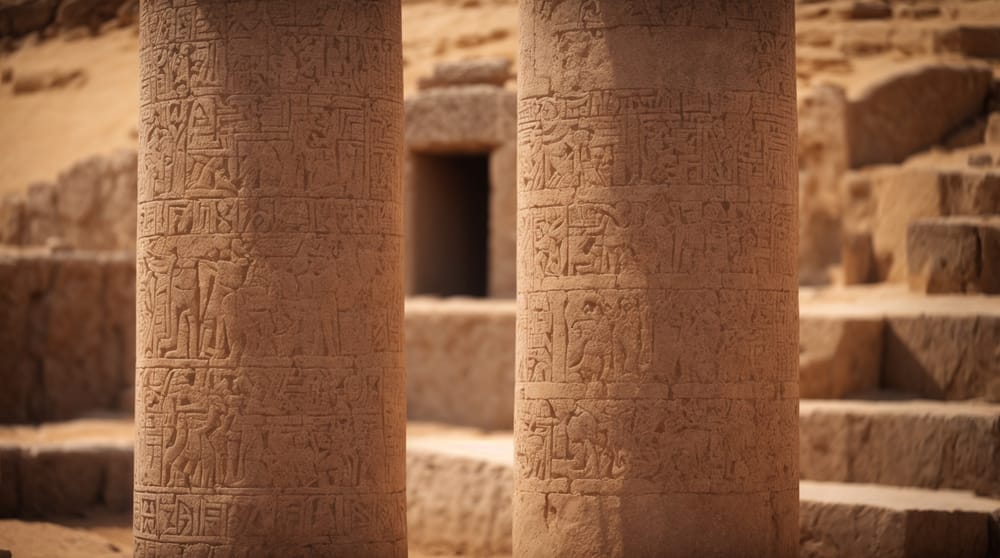
Göbeklitepe: Unveiling Mysteries of the World's First Temple
The Historical Significance of Göbeklitepe
Göbeklitepe, situated in the southeastern region of Turkey, stands as one of the most astonishing archaeological finds in the world. Dated back to the 10th millennium BC, it predates Stonehenge by several millennia. This monumental site, composed of circular and rectangular stone structures, boldly challenges our understanding of Neolithic societies and the supposed simplicity of their cultural and religious practices.
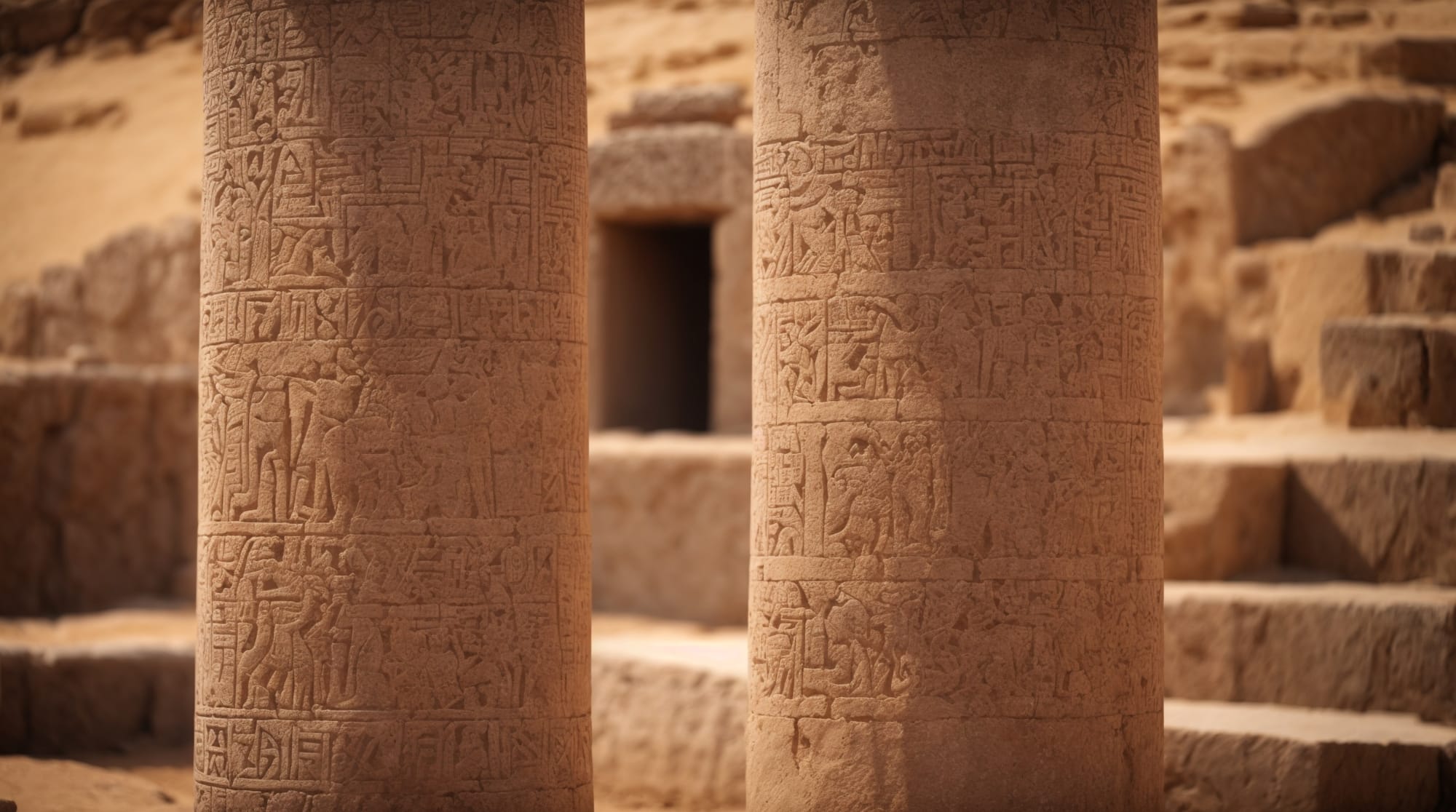
Impressively, Göbeklitepe features over 20 temples, showcasing elaborate carvings of animals and abstract figures which convey a rich symbolic meaning that researchers are still trying to fully decipher. The precision and sophistication of the stone pillars suggest an advanced understanding of stonecraft and possibly astronomy among the local prehistoric communities.
Cultural Impact and Theories
Historians and archaeologists propose that Göbeklitepe's construction could symbolize a major societal shift from nomadic to settled life. By gathering in such a place for religious or social purposes, it is likely that hunter-gatherer groups began to settle permanently, giving rise to agriculture and complex societies. This theory posits Göbeklitepe at the heart of one of humanity's most crucial transformations—the dawn of civilization.
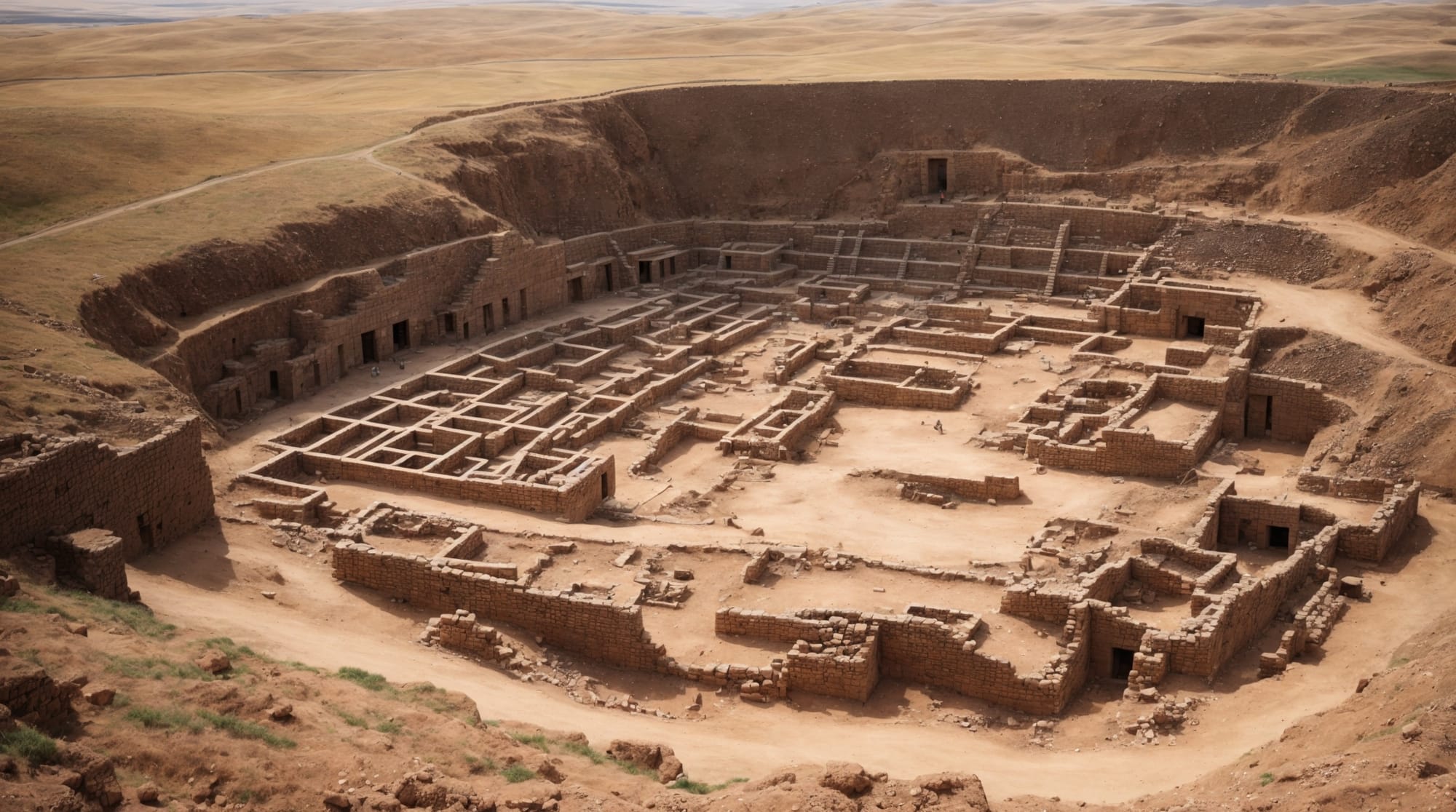
Now open to the public, Göbeklitepe offers an insightful gaze into prehistoric times through guided tours that explain intricate details discovered through ongoing archaeological work. Visitors have the unique opportunity to witness first-hand the scale and mystery of this site, which continues to astound the global scientific and historical community.