Göbeklitepe: Unveiling the Mystery of the World's Oldest Temple
The Historical Significance of Göbeklitepe
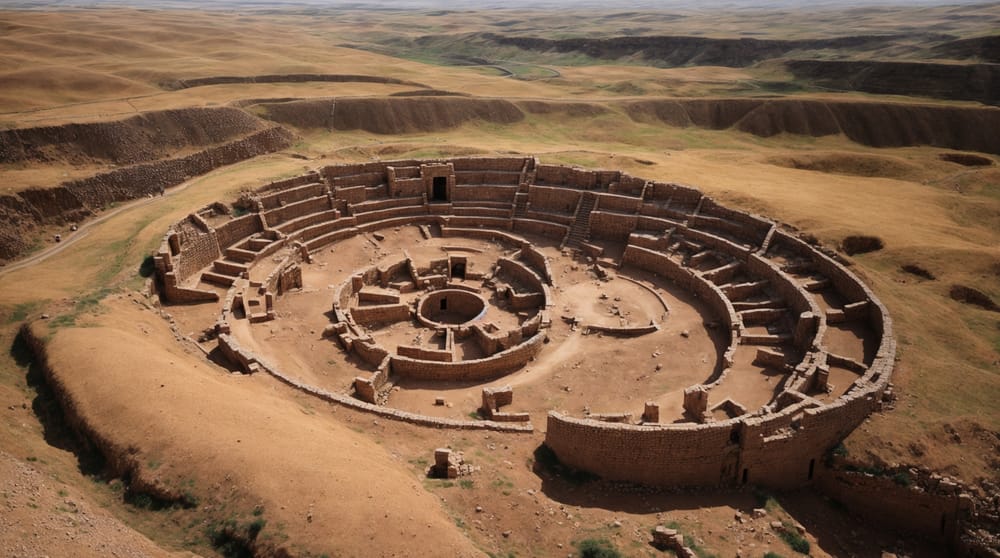
Nestled on a barren ridge near Şanlıurfa in southeastern Turkey, Göbeklitepe stands as a monumental testament to the ingenuity of early human civilizations. Dated to be about 11,600 years old, this site predates Stonehenge and the Egyptian pyramids, challenging our understanding of prehistoric societies. Göbeklitepe is not merely a collection of standing stones but a sophisticated complex of circular and rectangular structures adorned with intricate carvings of animals and abstract symbols.
Architectural Marvels of Göbeklitepe
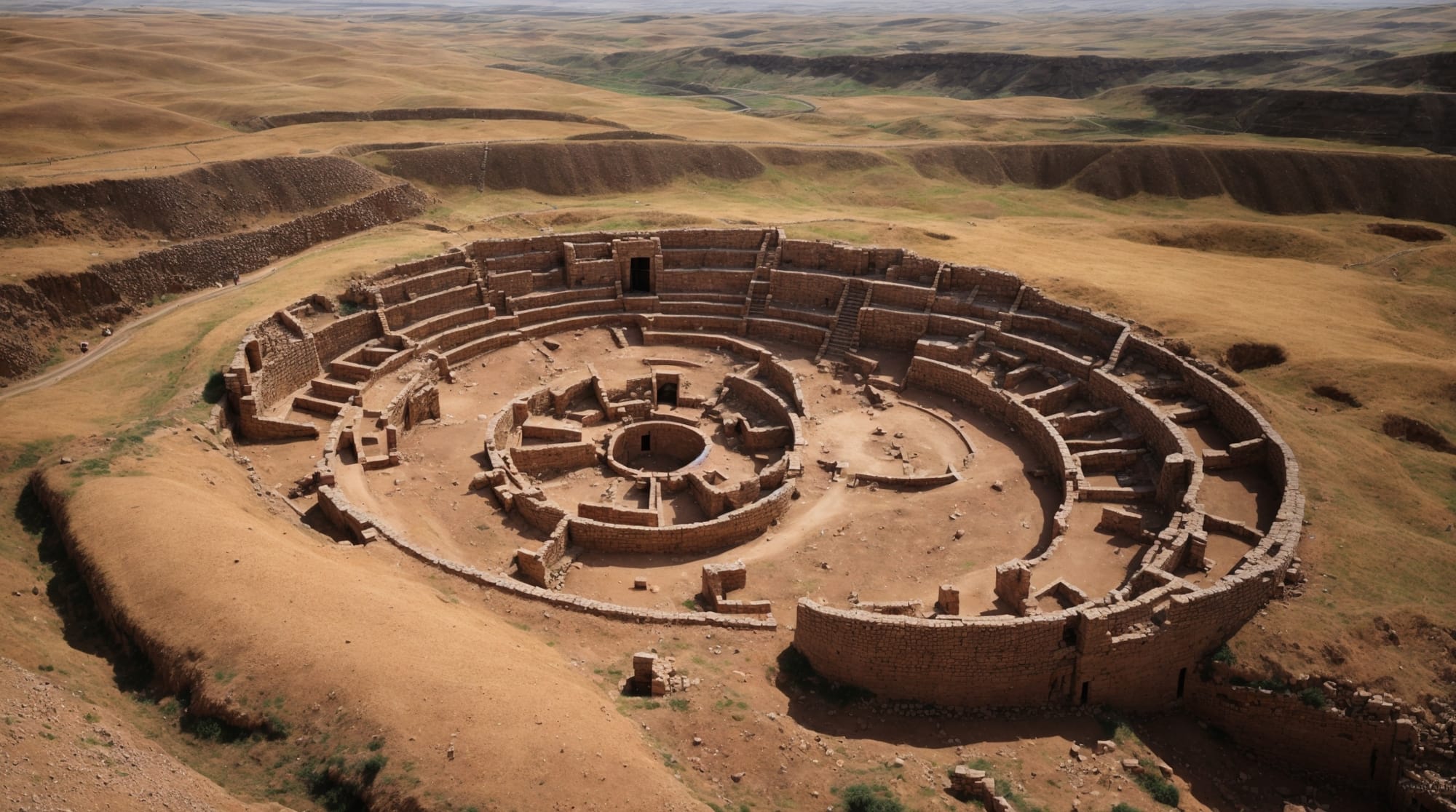
The architectural techniques displayed at Göbeklitepe are revolutionary for their time. The site consists of multiple T-shaped megaliths, some of which reach up to 20 feet in height and weigh several tons. These pillars are organized in circular patterns that are believed to have served as enclosures for rituals. Remarkably, these structures were built by hunter-gatherers who had not yet developed metal tools or pottery, indicating a highly organized society with advanced cultural practices.
Exploring the Mysteries Behind Göbeklitepe
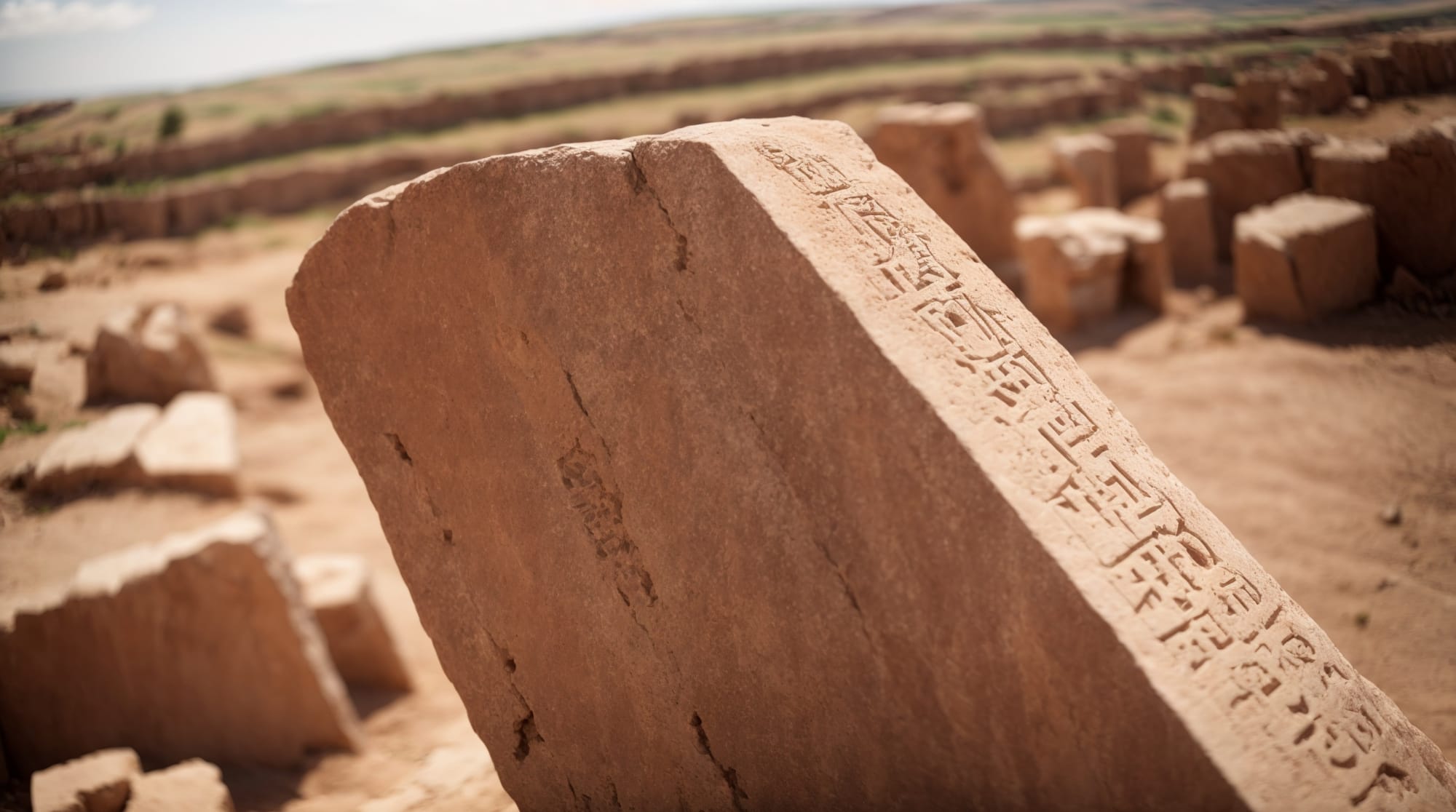
Despite its age and importance, many aspects of Göbeklitepe remain shrouded in mystery. The purpose of the structures and the reasons for their eventual abandonment are still subjects of active research and debate among archaeologists. Various theories suggest that Göbeklitepe served as a religious temple, an astronomical observatory, or a social gathering place. Whatever its original purpose, the legacy of Göbeklitepe provides invaluable insights into the religious and social dynamics of early Neolithic communities.