Göbeklitepe's Architectural Mastery and Its Historical Revelations
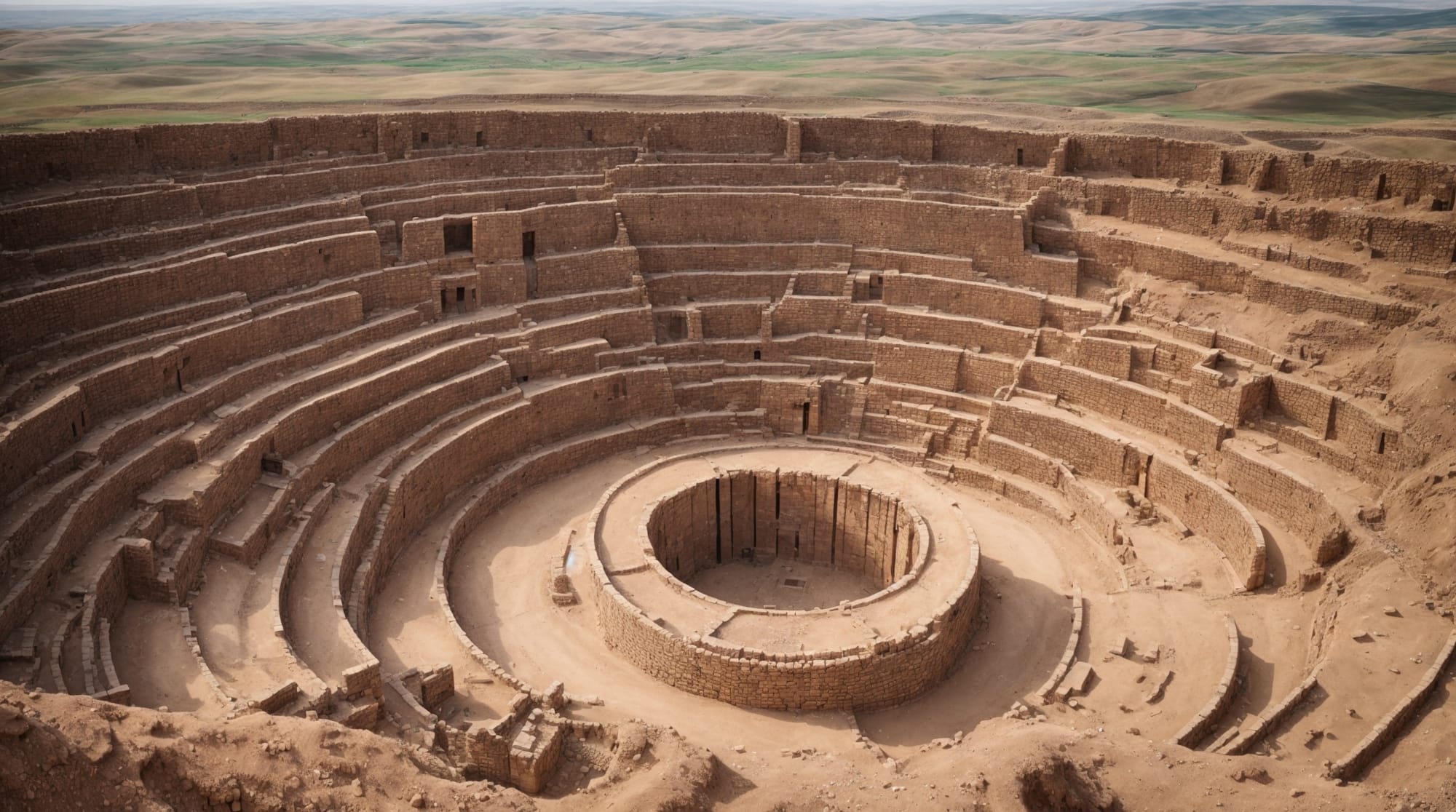
Göbeklitepe, located in southeastern Turkey, is not just an archaeological site; it stands as a testament to the ingenuity of early human societies that roamed Earth more than 12,000 years ago. This Neolithic site, predating Stonehenge by over 6,000 years, highlights profound architectural designs that have reshaped our understanding of prehistoric civilizations. The structures at Göbeklitepe, primarily characterized by monumental circular and rectangular megalithic enclosures, suggest a complex society that possibly engaged in sophisticated rituals and social behaviors far more advanced than previously assumed.
Deciphering the Symbolic Structures
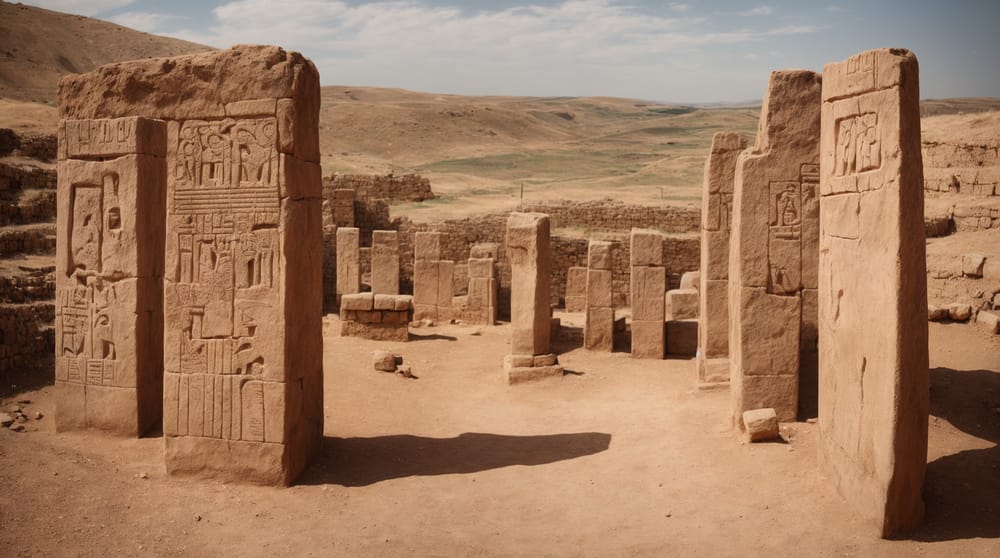
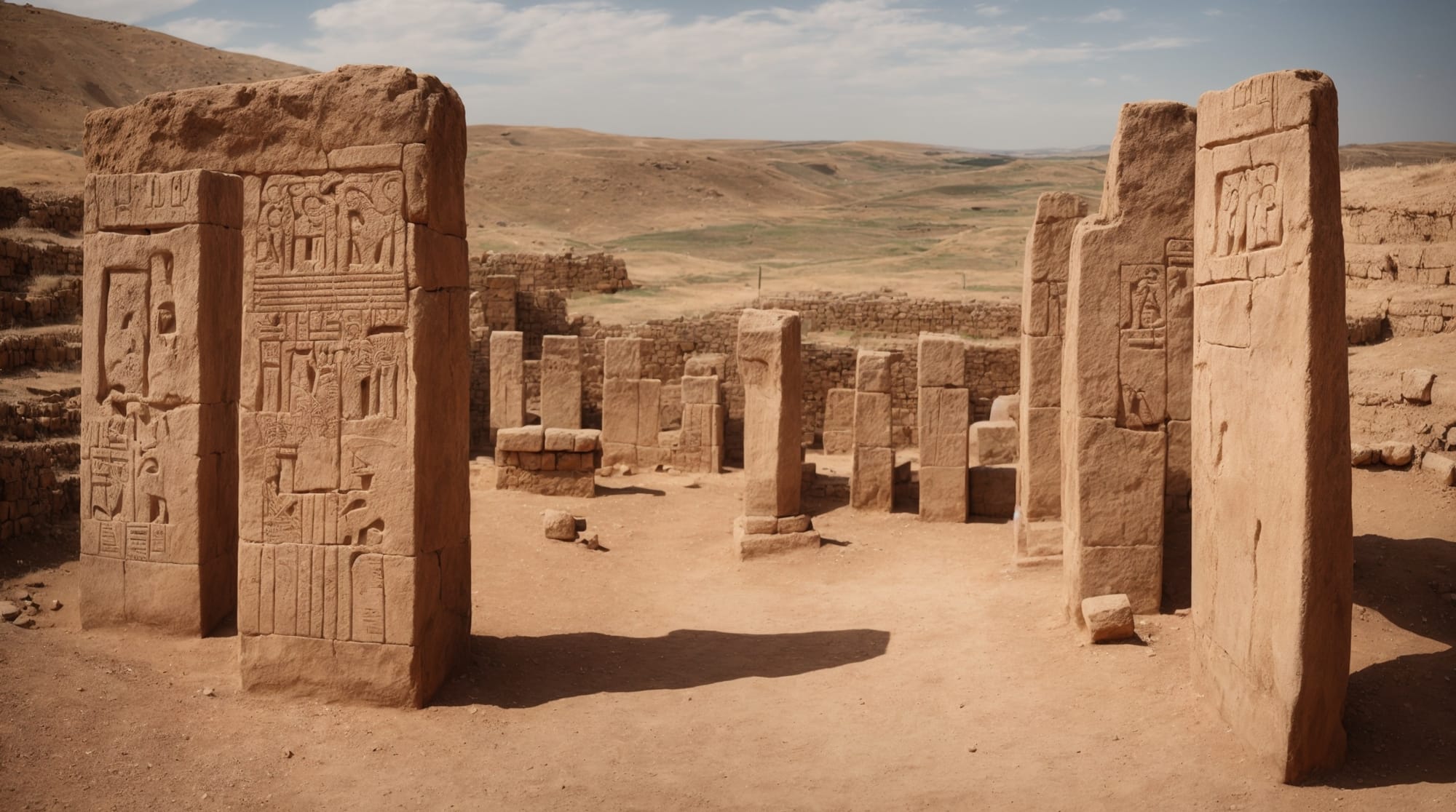
The T-shaped pillars at Göbeklitepe are not mere stones; they carry intricate carvings that are thought to hold significant symbolic meaning. These carvings feature a variety of animal figures, which may symbolize various deities or spiritual beliefs. The complexity and detail of these carvings suggest that the people of Göbeklitepe had a rich cultural and religious life, providing us with insights into the spiritual and social aspects of their community. This level of artistic expression and communal effort in construction projects indicate an organized societal structure with specialized roles and religious practices.
Architectural Innovations at Göbeklitepe
The architectural techniques observed at Göbeklitepe reflect an advanced understanding of stone crafting and construction that was unprecedented for its time. The site's layout, consisting of multiple concentric rings, implies a high degree of planning and architectural foresight. This sophisticated structure not only provided stability to the freestanding pillars but also suggests an early form of community-driven construction, possibly orchestrated by leaders or elders within the society. The arrangement and orientation of these pillars indicate a primitive understanding of astronomical alignments and seasonal tracking, underlining the intersection of architecture and astronomy in early human civilizations.
The Role of Göbeklitepe in Neolithic Civilization
Göbeklitepe's impact on the Neolithic era extends beyond its immediate geographical location. As a pioneering structure in large-scale ritualistic architectures, it paints a picture of a society transitioning from nomadic lifestyles to more permanent settlements. This site potentially defines the beginnings of agriculture as humans began to understand and manipulate their landscapes extensively. The social transformations that likely resulted from the construction of such monumental sites catalyzed changes in communal living, resource allocation, and social hierarchies, providing a crucial framework for understanding the evolution of societies toward more complex cultural systems.