Göbeklitepe's Architectural Wonders: Exploring Prehistoric Engineering
Unearthing the World's First Temple
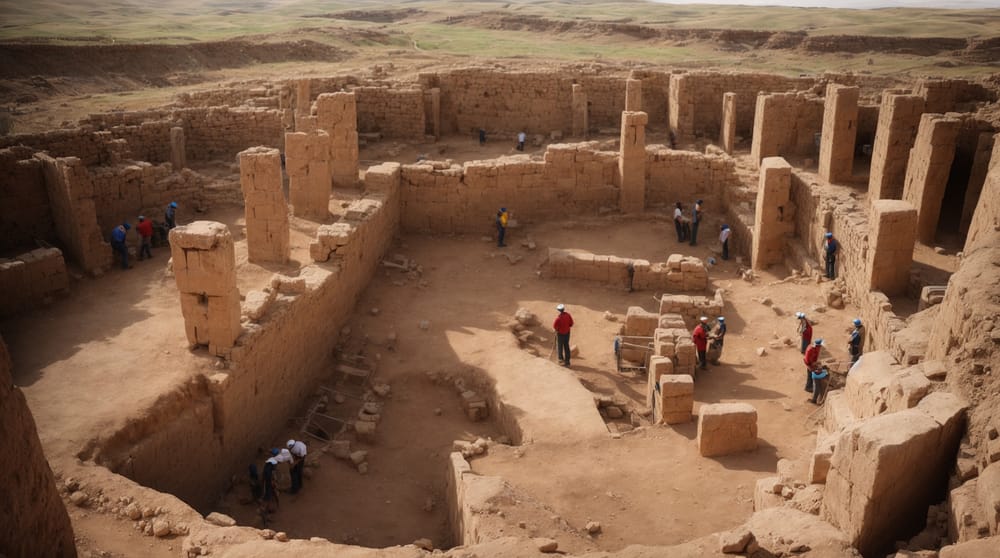
Göbeklitepe stands as a testament to the ingenuity of early human civilizations. Located in modern-day Turkey, this site is recognized for its large circular structures and towering T-shaped pillars, which raise questions about the architectural capabilities of prehistoric peoples. The labor involved in carving and erecting these massive stones—without the use of metal tools or the wheel—highlights a sophisticated understanding of stonework and project management.
Architectural Techniques and Tools
The builders of Göbeklitepe utilized techniques that were progressive for their time. Evidence suggests the use of flint tools to precisely carve the T-shaped pillars and likely methods of leverage and rudimentary cranes to lift them into place. This indicates not only a mastery of stone crafting but also an effective organization of labor and resources, pointing to a coherent and possibly hierarchical society much older than previously believed.
Symbolism and Astronomical Alignments
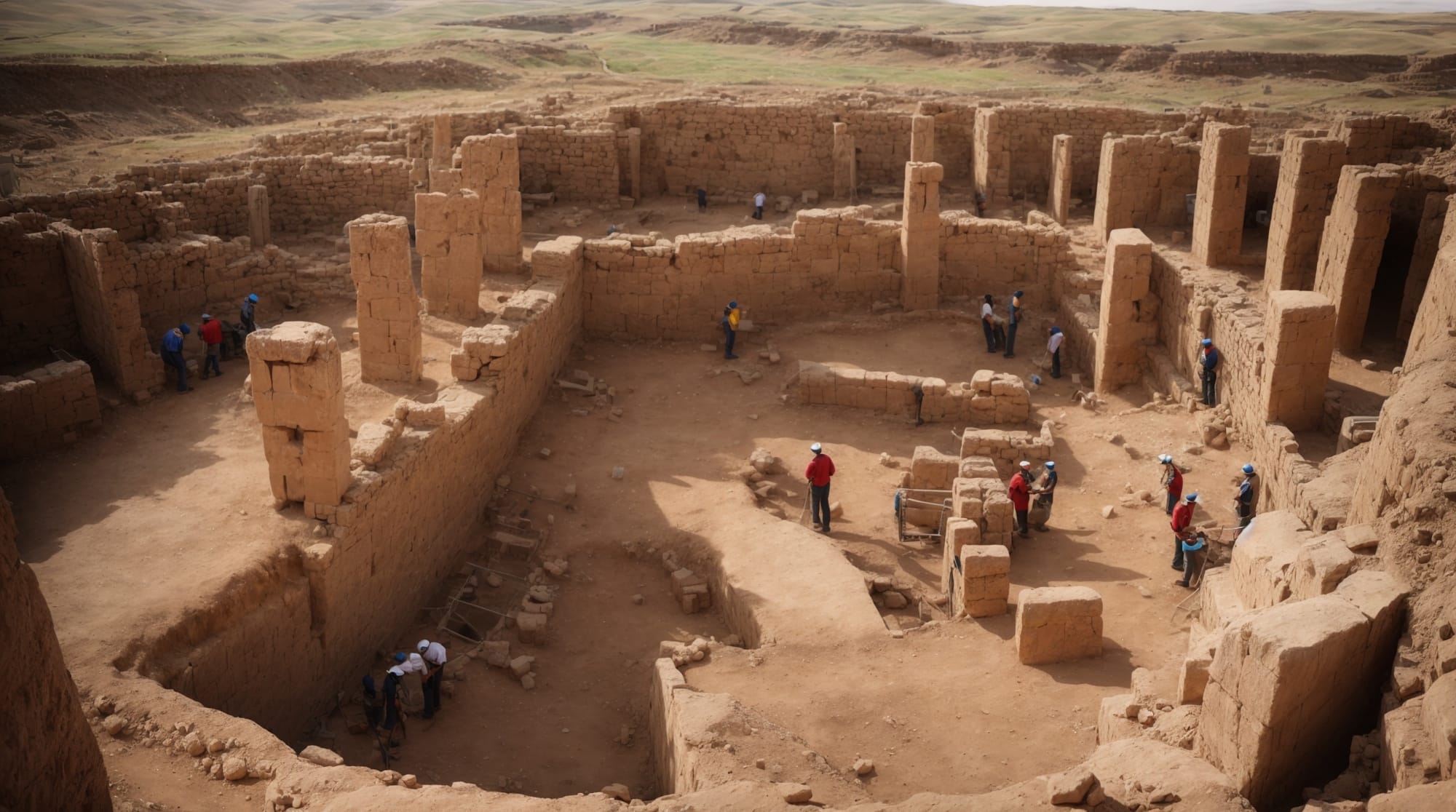
The placement and design of the pillars suggest that Göbeklitepe served not only as a social or religious hub but also as an astronomical observatory. Each circle aligns with different constellations, which could align with certain seasons or celestial events. Such alignments imply a deep understanding of the cosmos, which integrated spiritual and practical aspects of life, guiding both agricultural activities and religious ceremonies.
The Legacy and Influence on Later Structures
The architectural and cultural impact of Göbeklitepe extends well into historical periods. The engineering concepts observed at Göbeklitepe, such as monolithic construction, have similarities with later sites like Stonehenge. This connection suggests a transfer or evolution of architectural knowledge that influenced various subsequent civilizations across Europe and the Middle East.