Göbeklitepe's Enigmatic Pillars and Their Cosmic Significance
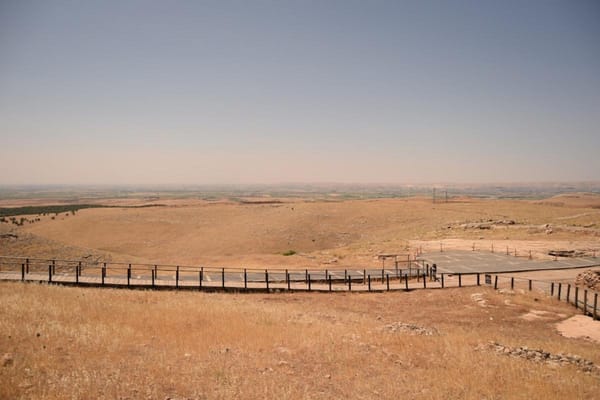
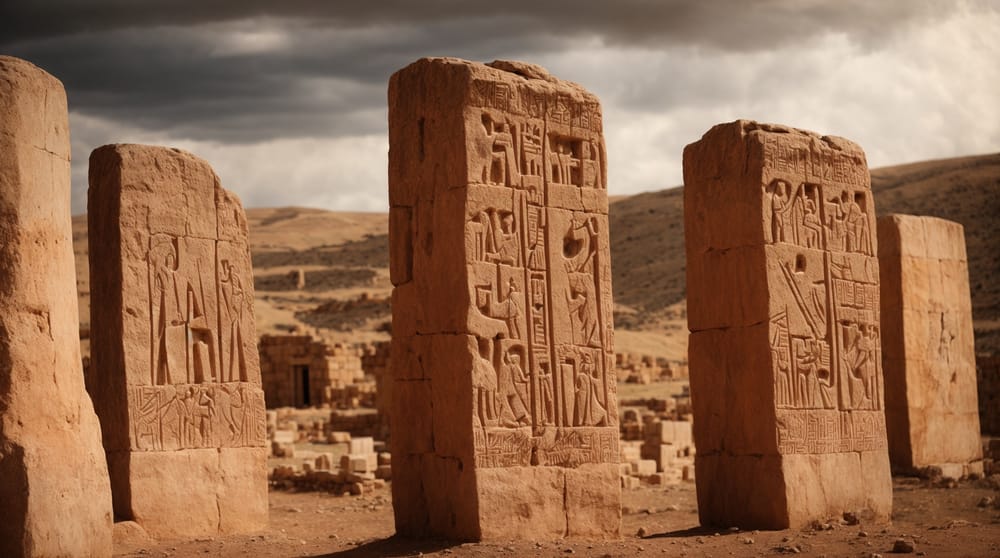
Göbeklitepe in southeastern Turkey is renowned as one of the most significant archaeological discoveries of the 20th century. This site offers profound insights into the early stages of human civilization with monumental structures that predate Stonehenge by millennia. The purpose and origin of Göbeklitepe's pillars have been subjects of intense scholarly debate. These T-shaped megaliths, intricately carved and positioned with apparent astronomical precision, suggest that early humans not only had advanced architectural skills but also possessed a deep understanding of the cosmos. The strategic placement of these pillars could potentially denote early forms of spiritual or ritualistic practices aligned with celestial events.
Symbolism and Carvings: Interpreting Ancient Art
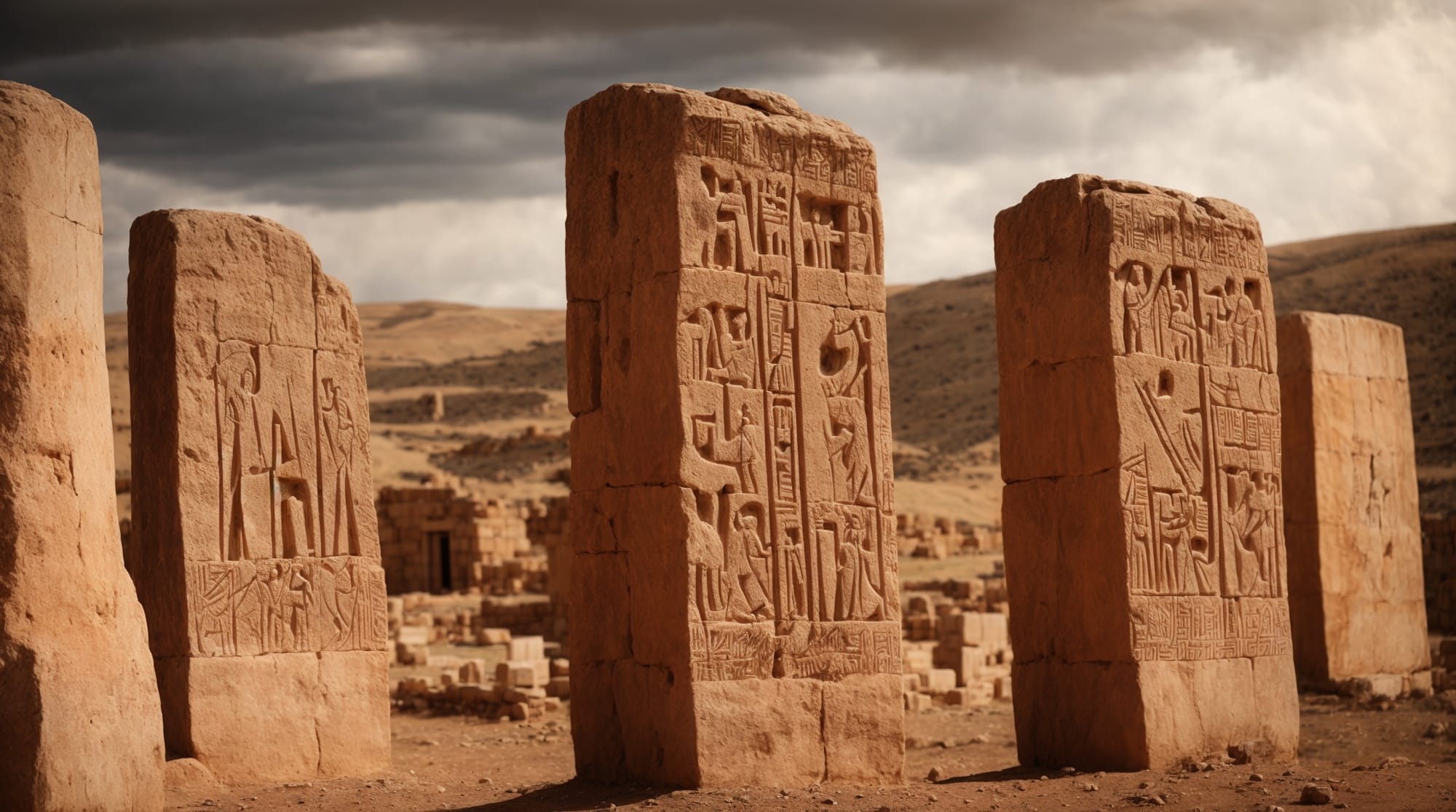
The carvings on Göbeklitepe's pillars are not merely decorative but are deeply symbolic. Depictions of wild animals, celestial symbols, and abstract human forms decorate these pillars, compelling researchers to consider their importance in prehistoric societies. These images may have been part of a belief system, representing spiritual entities or ancestral spirits. The pillars of Göbeklitepe stand not only as testament to ancient architectural ingenuity but as a codex of symbolic language awaiting decryption. By studying these carvings, archaeologists hope to unravel the spiritual and societal structures of those who built this temple, making it a cornerstone of spiritual archaeology.
Astronomical Alignments and Their Meanings
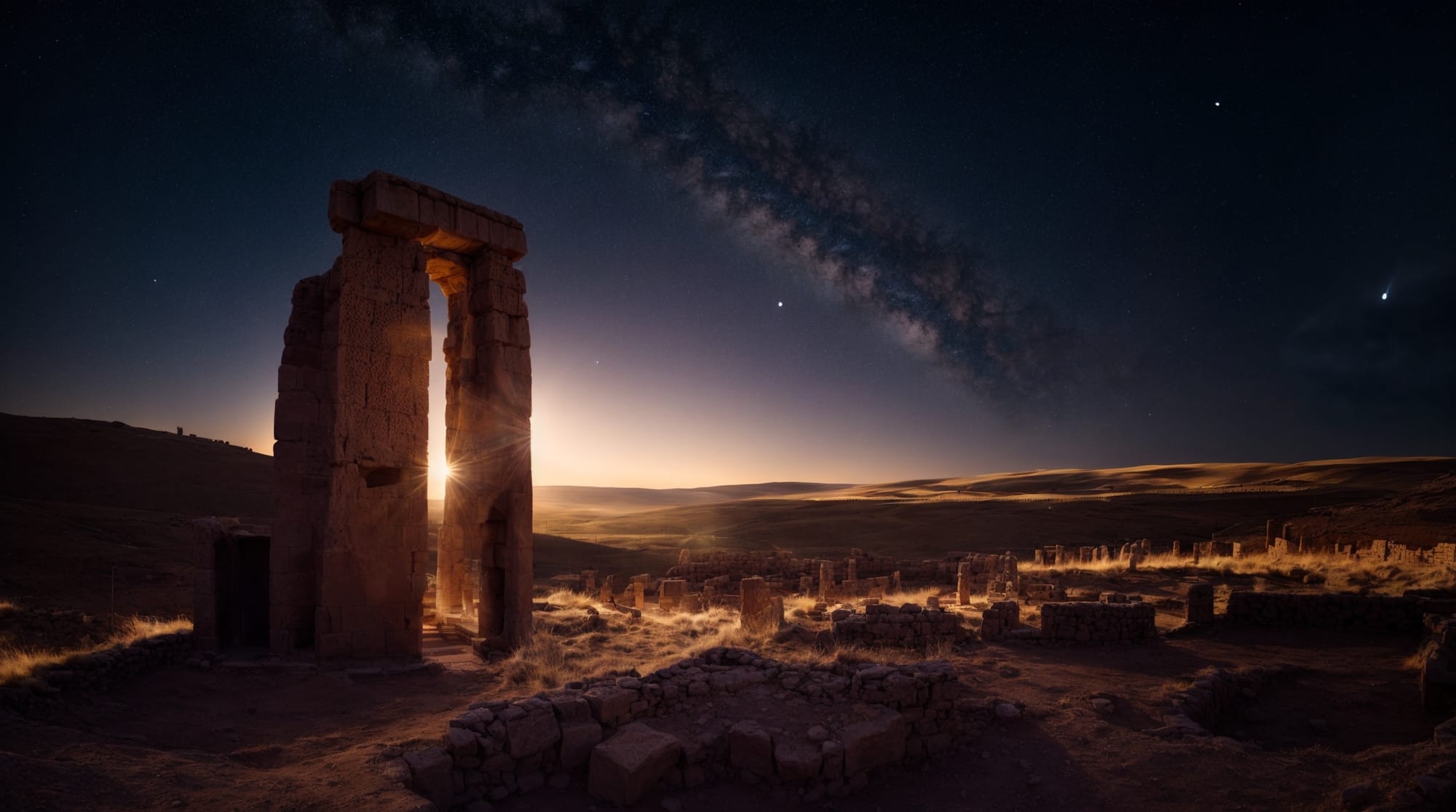
Significant to Göbeklitepe's astonishment is the astronomical alignment apparent in the placement of its pillars. Alignments with solar and lunar events suggest a calendar system might have been central to the site's purpose. These alignments would have enabled the tracking of solstices, equinoxes, and possibly even more complex astronomical phenomena. This proto-astronomical observatory reflects a deep awareness of the natural world and its cycles, profoundly embedded within the spiritual life of its builders. Understanding these alignments provides incredible insights into the sophistication of early human societies, their cosmology, and their integration of celestial events into religious and communal activities.
The Broader Impact of Göbeklitepe on Neolithic Studies
The discovery of Göbeklitepe has revolutionized our understanding of the Neolithic era. Previously, researchers believed that agricultural development preceded religious and monumental building. However, Göbeklitepe suggests that religious needs may have driven early communities to settle and innovate in agriculture to sustain larger groups centered around monumental sites. This site provides critical data, challenging previous assumptions and providing a new narrative about the motivations and capabilities of early human societies. Göbeklitepe thus offers essential clues not just to archaeologists but to anyone interested in the genesis of modern civilization.