Göbeklitepe's Influence on Neolithic Cultures
Uncovering the Mystery of Göbeklitepe
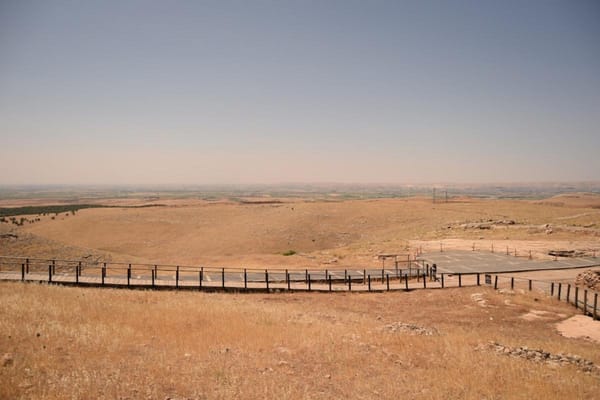
Göbeklitepe's discovery in southeastern Turkey dramatically transformed the archaeological understanding of the Neolithic era. Traditionally viewed as a time when human societies were just beginning to settle and adopt agriculture, Göbeklitepe suggests a more complex societal structure centered around monolithic rituals far earlier than previously thought. This site, dated to approximately 9600 BCE, predates Stonehenge by over 6000 years and is considered the world's first temple. The presence of massive stone pillars intricately carved with wild animals and abstract figures speaks volumes about the community's sophisticated craftsmanship and possibly their belief systems.
The Architectural Significance of Göbeklitepe
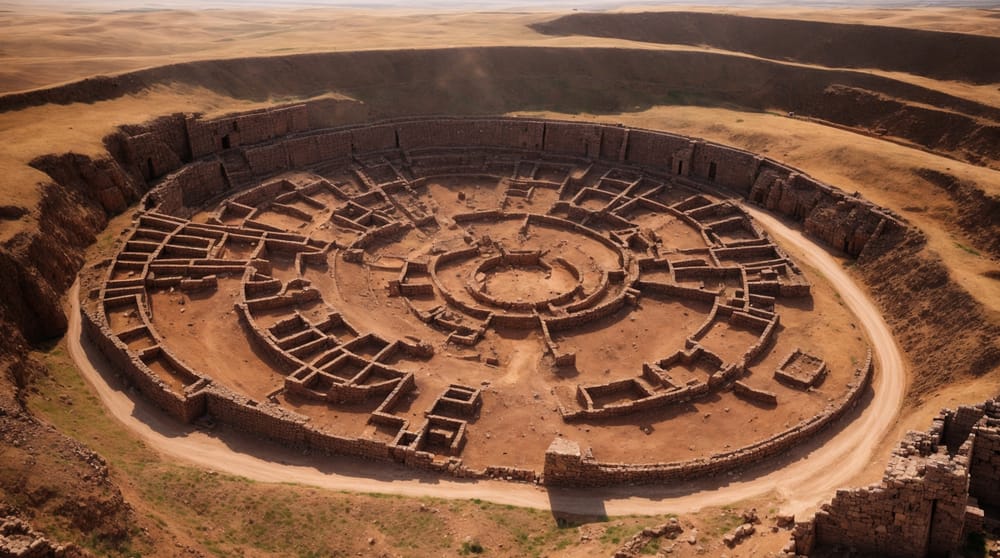
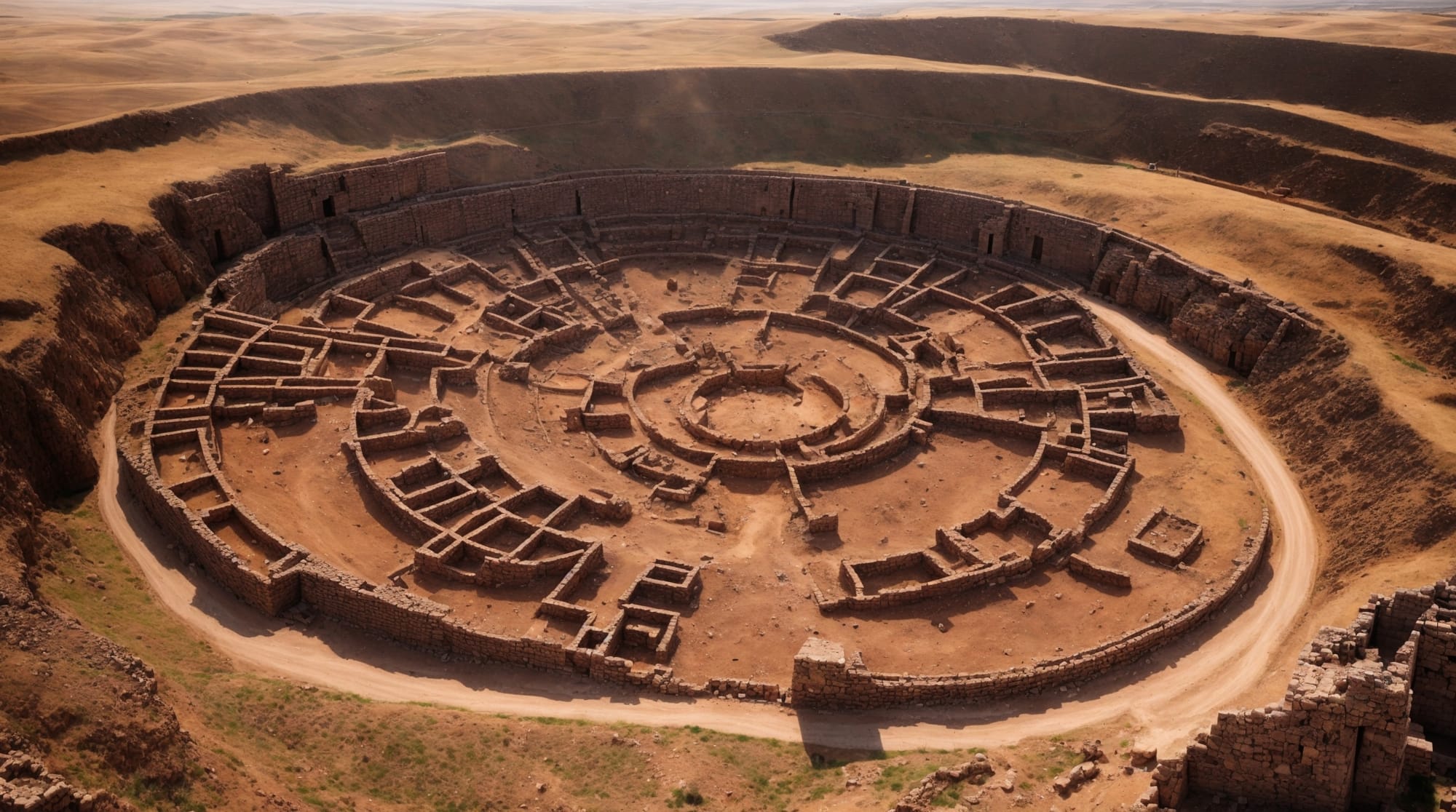
The architectural complexity of Göbeklitepe is unprecedented for its time. The site consists of multiple circular and oval-shaped structures with large T-shaped pillars that bear a mysterious aura. These structures indicate a high level of social organization and planning skill unnmatchable in other known settlements of the era. Researchers speculate that Göbeklitepe served not only as a religious temple but also as a social gathering spot, suggesting that ceremonial activities played a significant role in consolidating group identity and cooperation among early Neolithic communities.
Religious and Social Dynamics at Göbeklitepe
The carvings and artifacts found at Göbeklitepe provide insights into the religious life of its builders. Iconography depicting animals like foxes, lions, and scorpions suggests that these symbols held spiritual significance, perhaps as totems or protective spirits. This evidence points to complex spiritual practices and rituals that predate the written record by millennia. Moreover, the arrangement of buildings and artifacts implies a gathering place for large groups, possibly for festivals or rituals that reinforced community bonds and shared beliefs, laying the groundwork for the development of complex societies.

Göbeklitepe's Lasting Impact on Archaeology and History
Göbeklitepe's excavation has provided invaluable data that challenges the traditional narrative of human societal evolution from nomadic to settled agricultural lifestyles. The site's mere existence argues that religious and ceremonial sites could have preceded, and perhaps aided, the development of settled agricultural communities. This paradigm shift affects not only the way archaeologists think about the Neolithic era but also deepens the recognition of the interplay between religious belief and societal development. Göbeklitepe remains a cornerstone for understanding the spiritual and social complexities of early human societies.