Göbeklitepe's Landscape Through Time
Unveiling Göbeklitepe's Geological Foundation
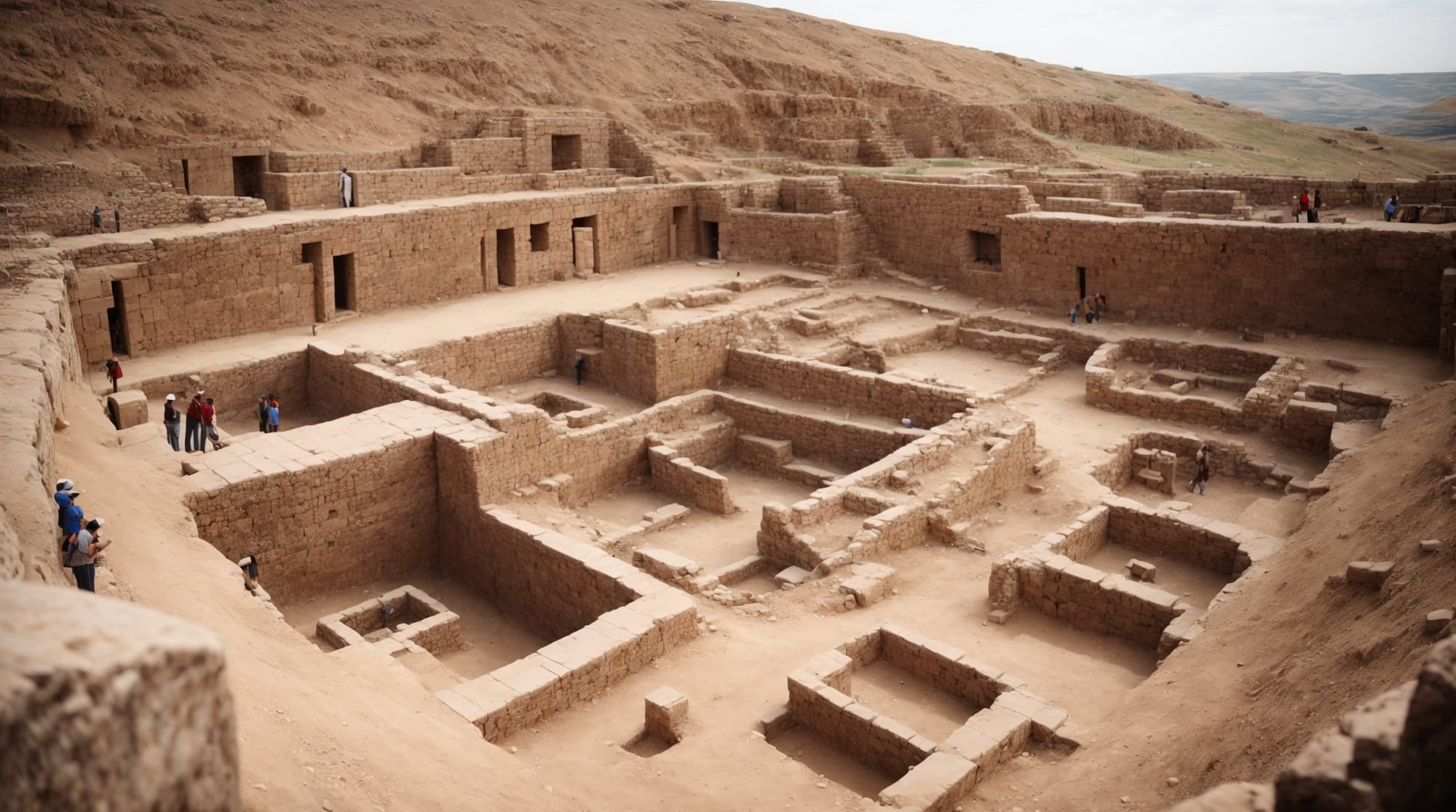
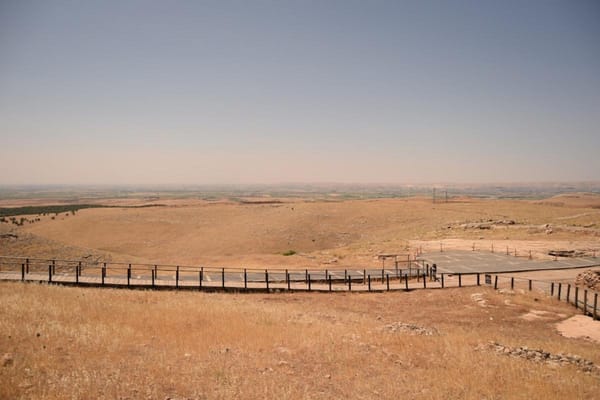
Nestled on the highest point of an elongated mountain ridge, Göbeklitepe is not only a site of profound archaeological importance but also a geological marvel. The region's formation dates back to the Miocene epoch, offering a significant clue into the reasons this location was chosen by ancient builders. The site's strategic position provided a panoramic view of the surrounding landscapes, securing a tactical advantage for prehistoric communities against potential invaders and wild animals.
The Architectural Genius of Megalithic Constructions
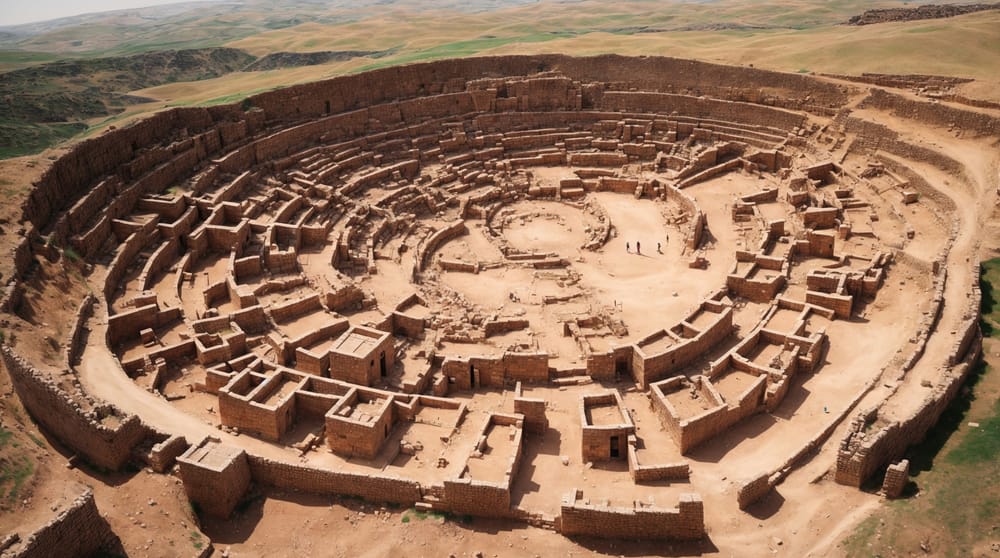
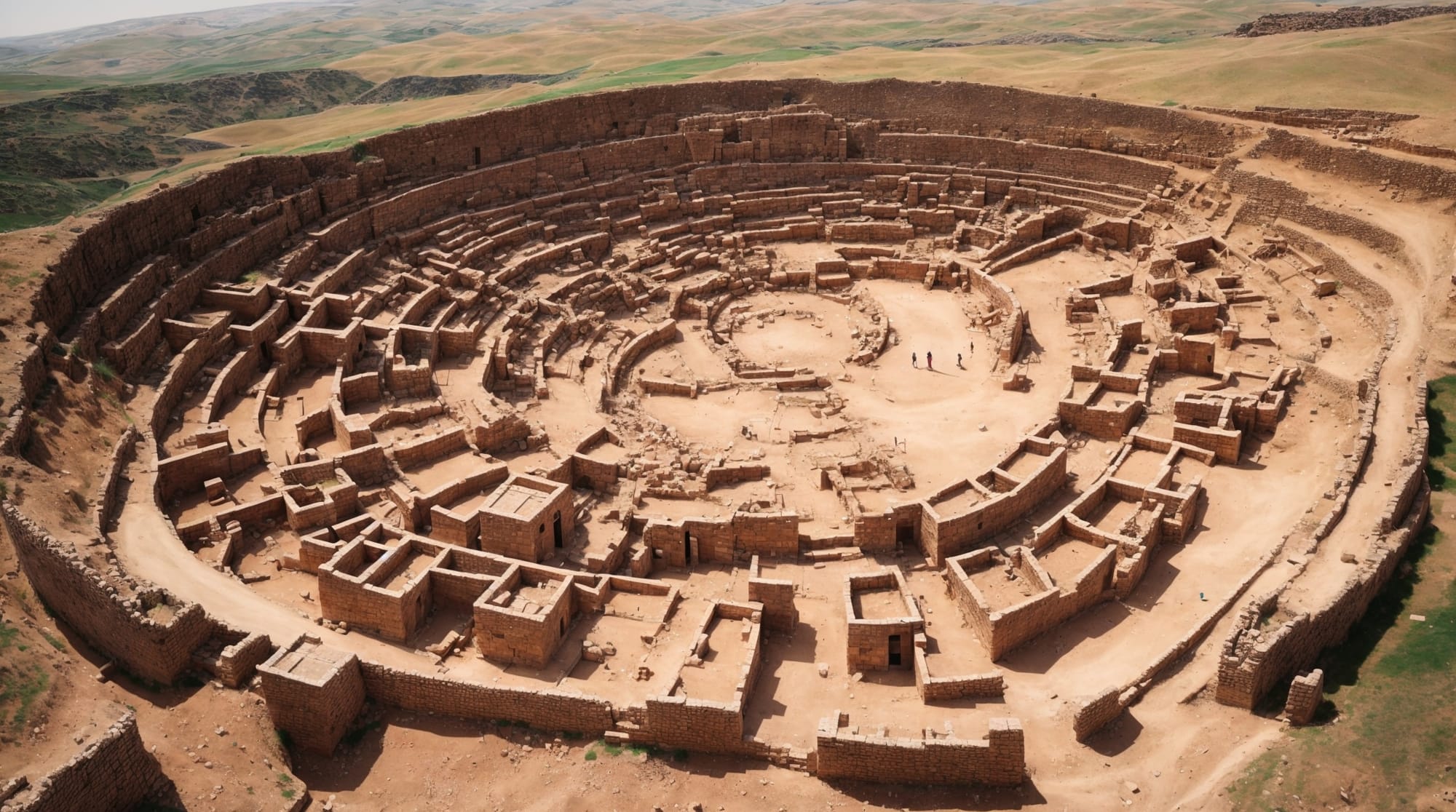
The stone circles of Göbeklitepe, consisting of massive T-shaped pillars, showcase a sophisticated knowledge of megalithic architecture that challenges previous assumptions about Neolithic engineering. The intricacies of these structures reveal a complex understanding of stone-carving techniques and architectural planning that far predates any known written records. Such achievements suggest that Göbeklitepe's inhabitants were not mere hunter-gatherers but rather thinkers and planners capable of complex communal efforts.
Deciphering Cultural Layers Through Excavations
Each excavation at Göbeklitepe peels back the layers of human history, offering insights into the societal structures of the time. Artifacts found at the site include elaborate carvings, flint tools, and decorative beads, suggesting a culture that placed significant value on ritual and ceremony. The presence of vast amounts of animal bones indicates large-scale feasting events, which may have played a role in strengthening social cohesion and perhaps even in the development of early religious practices.
Implications for the Study of Early Human Societies
Göbeklitepe's revelation radically shifts our understanding of Neolithic societies. It exemplifies a civilization that was capable of extraordinary feats, which likely necessitated complex societal structures and knowledge transmission systems well before the establishment of recorded history. This challenges the traditional narrative of the Neolithic Revolution as a mere shift from nomadic to settled agricultural life, proposing instead a more nuanced transition influenced by social, religious, and technological advancements.