Göbeklitepe's Role in the Dawn of Agricultural Societies
Unveiling Göbeklitepe's Historical Importance
Göbeklitepe, located in the fertile crescent of Southeastern Turkey, is often heralded as one of the most significant archeological discoveries of the 20th century. Discovered in 1963 and extensively excavated since the 1990s, this site provides critical insights into the lives of prehistoric peoples who lived more than 10,000 years ago. Contrary to the hunter-gatherer lifestyle dominant at that time, evidence suggests that Göbeklitepe might have been a hub for early agricultural activities.
The Architectural and Artistic Achievements
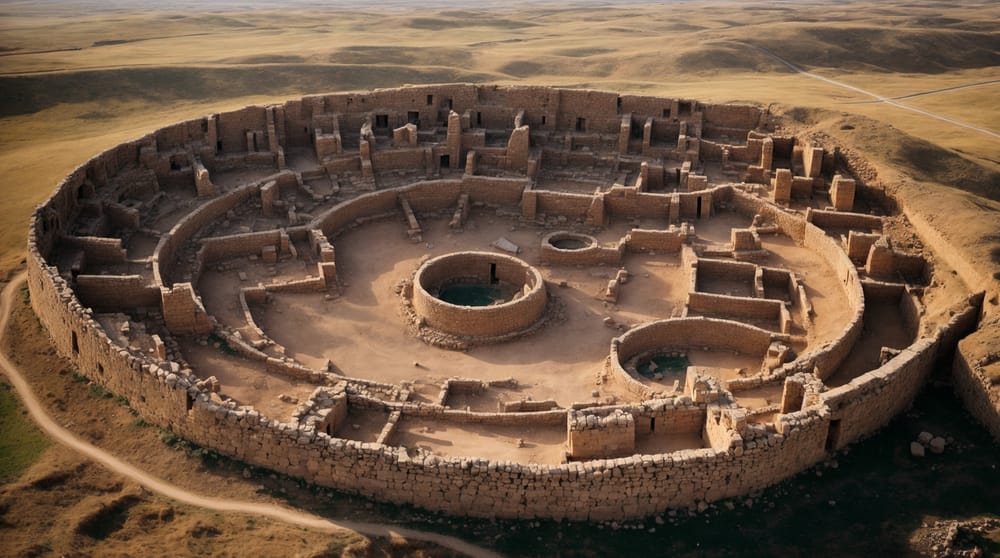
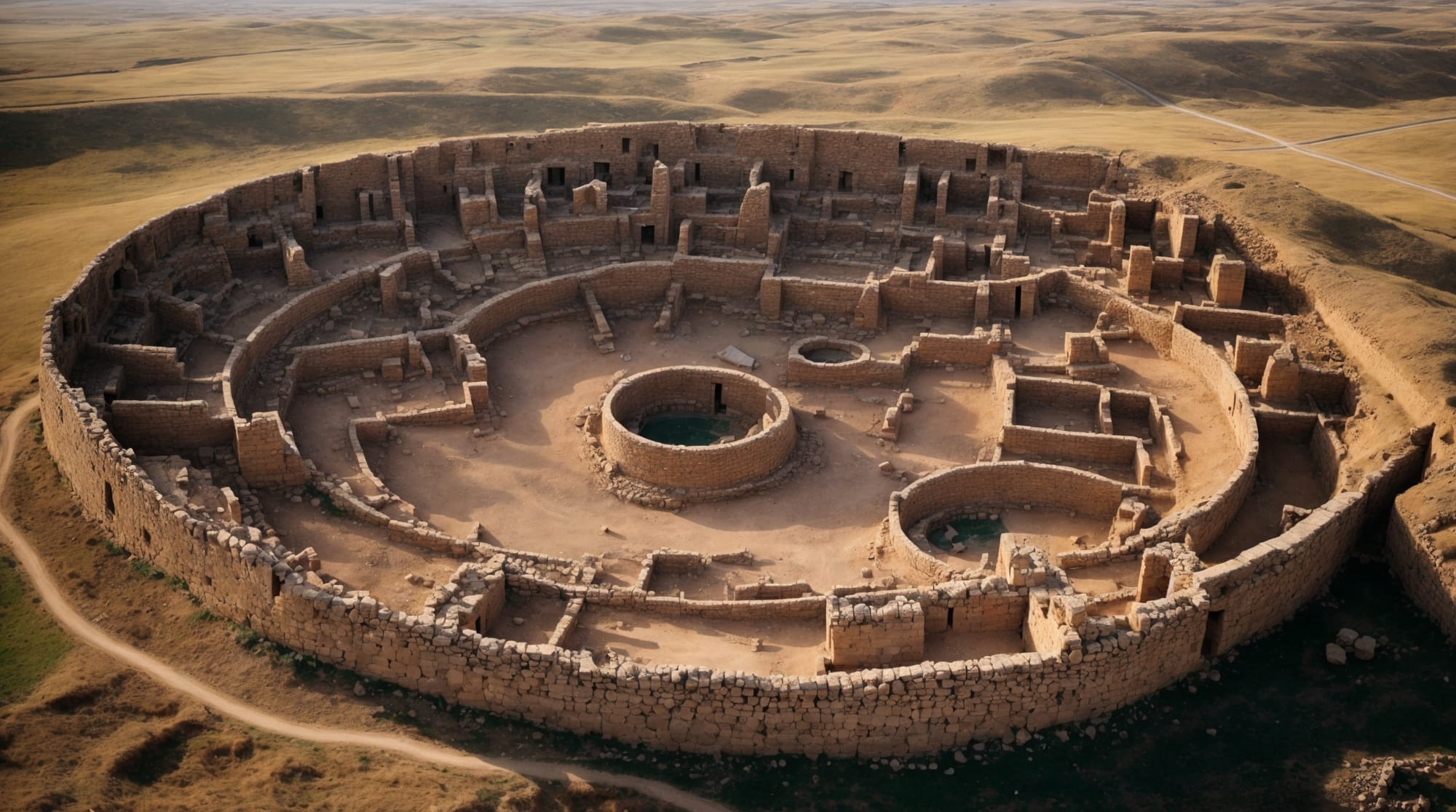
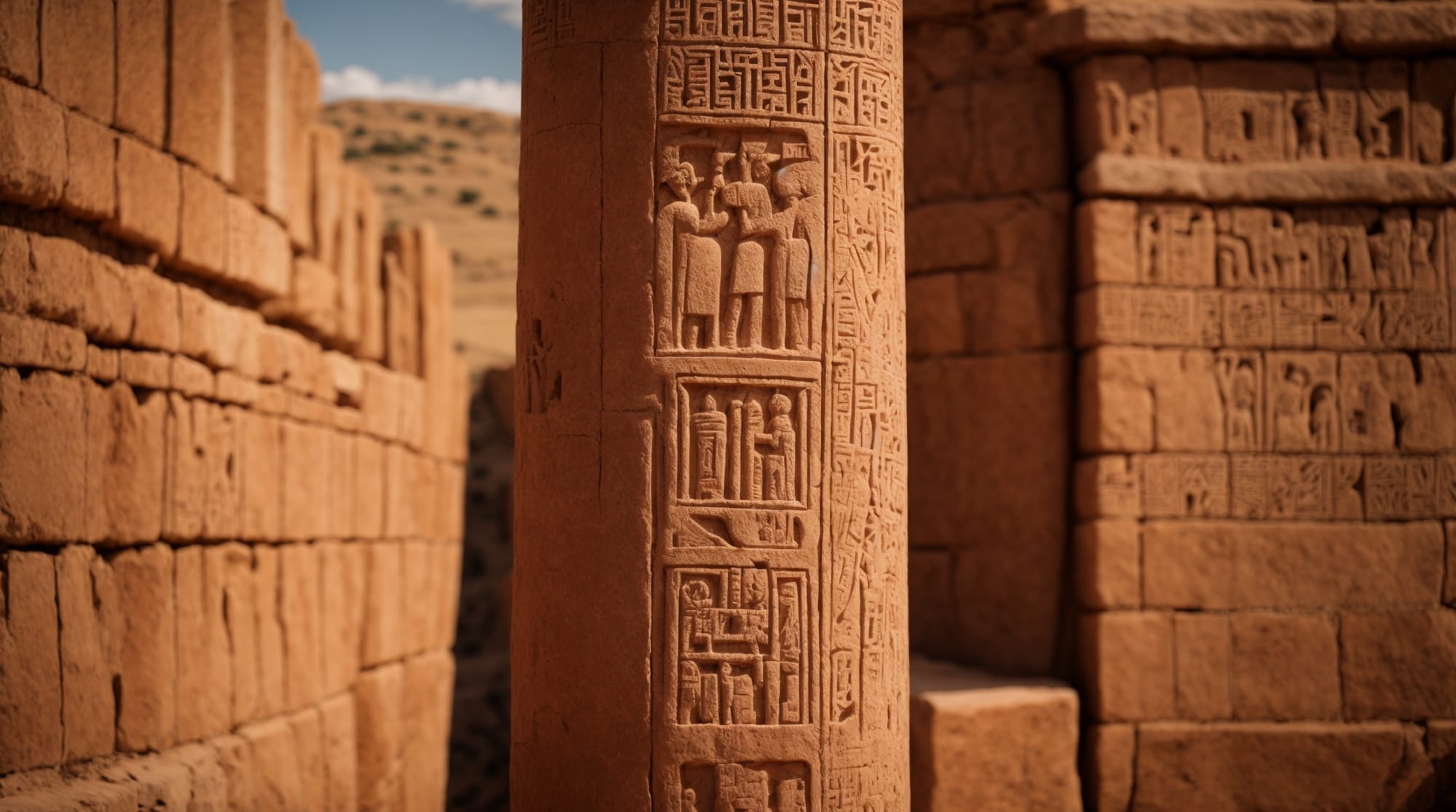
The most striking feature of Göbeklitepe is its monumental circular structures and intricately carved T-shaped limestone pillars. Each pillar depicts a variety of carved reliefs of animals such as lions, bulls, and birds, which suggest a symbolic or spiritual significance. These pillars not only showcase the artistic prowess of our ancestors but also hint at the existence of complex societal structures and possibly a form of organized religion or ritual practices.
Implications for Understanding Social Structures
The sophisticated architecture and large-scale sculptures of Göbeklitepe suggest that it required a coordinated effort of many individuals, potentially organized by an elite class or religious leaders. This collective effort in construction could be one of the earliest examples of a settled community, debunking earlier theories that architectural sophistication only arose with established agriculture and urbanization.
Göbeklitepe's Influence on Neolithic Agriculture
While Göbeklitepe itself might not have been a settlement, it was likely a central location for periodic gatherings, possibly linked to land fertility rites or seasonal celebrations. Its existence implies that early humans might have begun experimenting with plant cultivation and domestication of animals earlier than previously believed, placing Göbeklitepe at the heart of the transition from nomadic tribes to agricultural communities.