Göbeklitepe's Role in the Dawn of Human Civilization
Unearthing the Mysteries of Göbeklitepe
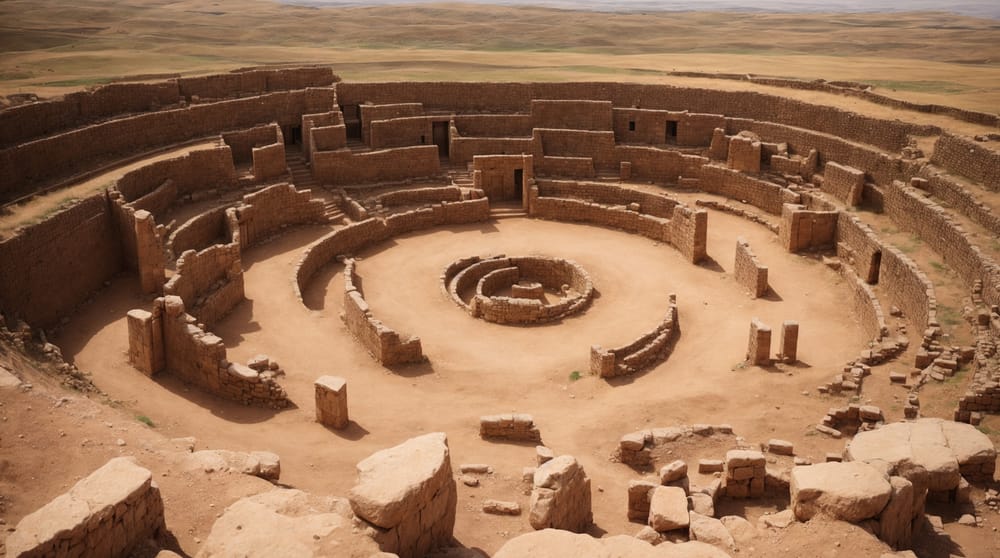
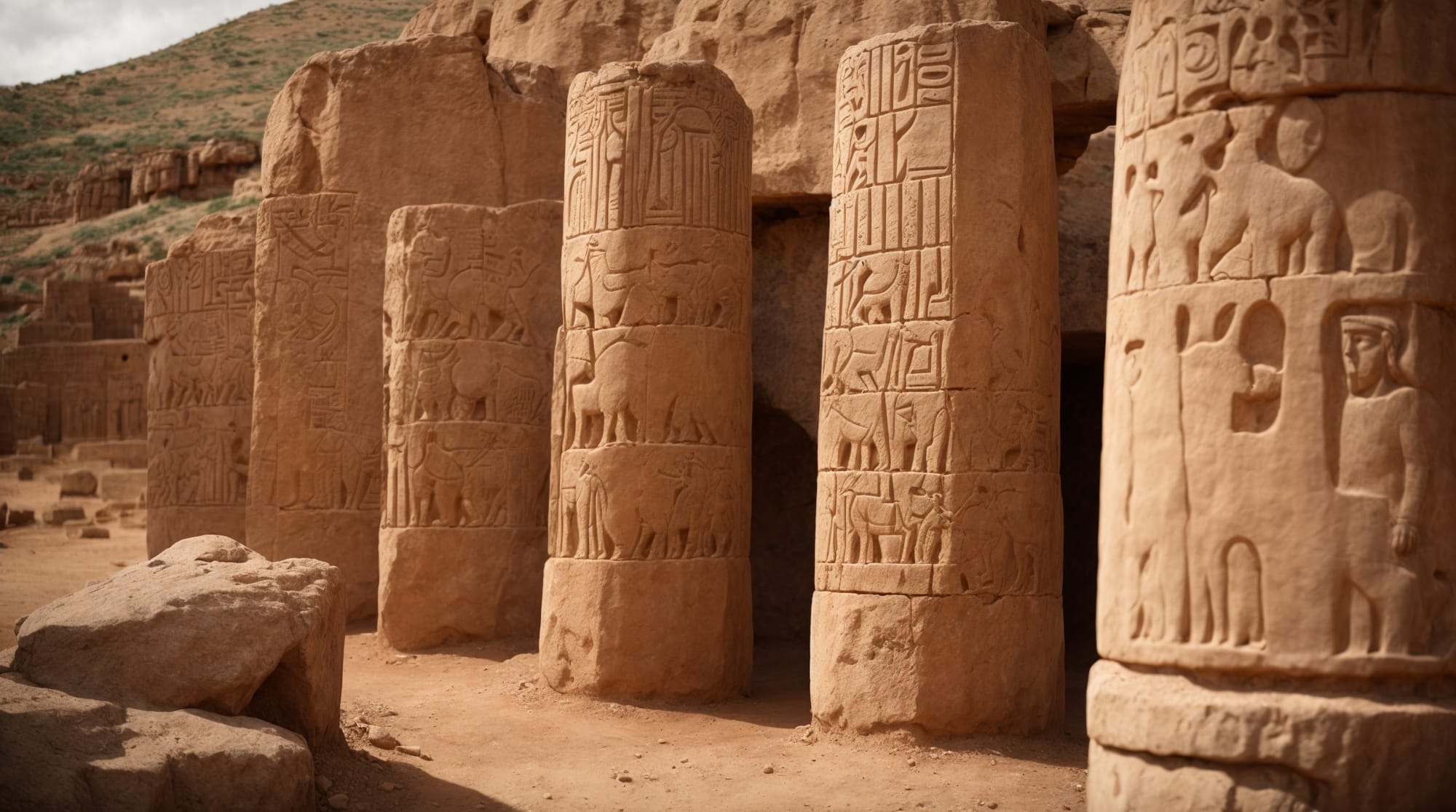
Located in the southeastern region of Turkey, Göbeklitepe is often hailed as one of the most significant archaeological discoveries of our time. Predating Stonehenge by about 6,000 years, it challenges our understanding of the Neolithic era, suggesting advanced organizational skills and spiritual practices far earlier than previously assumed. This site includes multiple circles of towering T-shaped stone pillars, each intricately carved with reliefs of animals and abstract symbols that hint at the early forms of human belief systems and social structures.
The Architectural Ingenuity and Its Implications
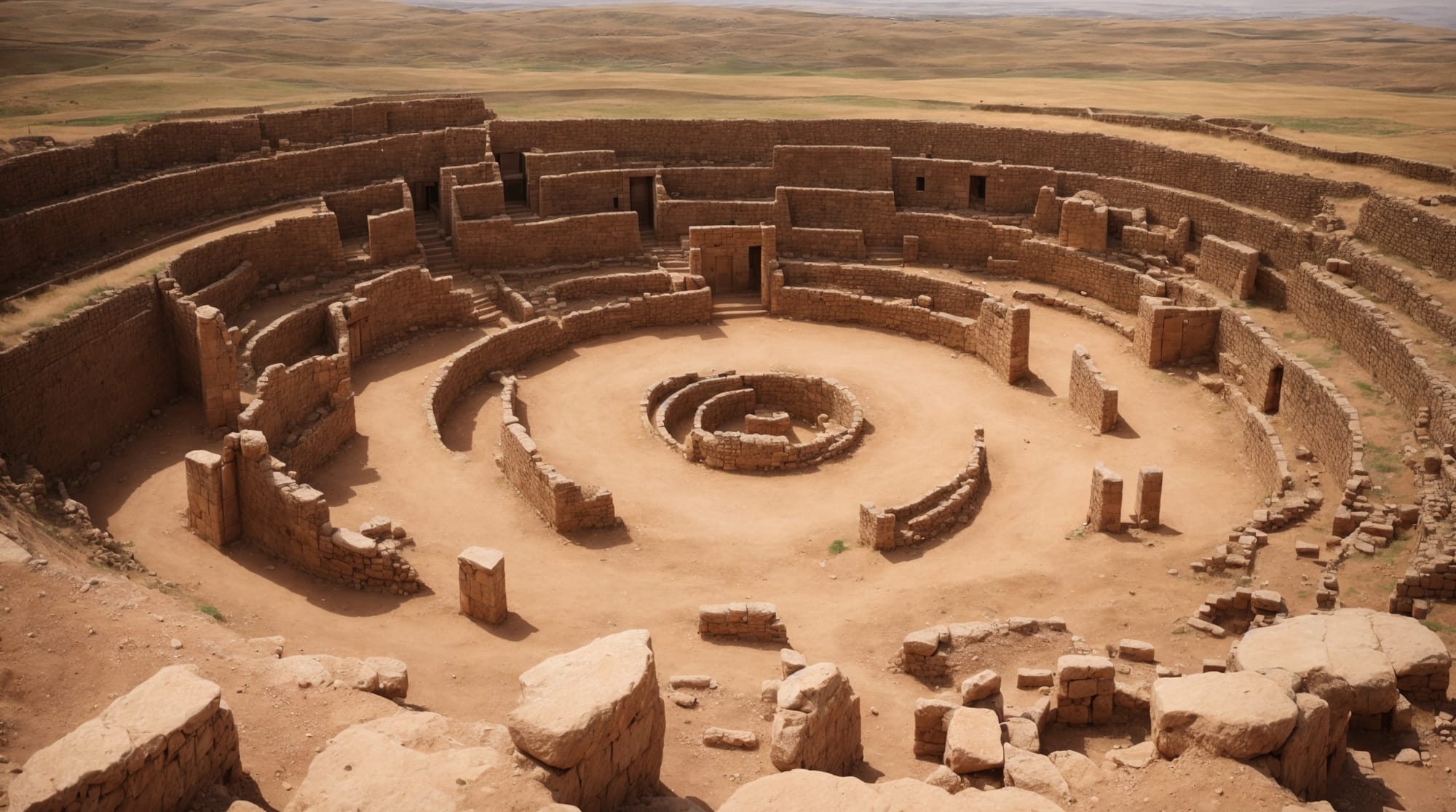
The architectural complexity of Göbeklitepe is emblematic of a sophisticated society with capabilities in engineering and possibly astronomy. The alignment of the pillars suggests astronomical observations, which may have been used to track solstices and equinoxes, vital for agricultural activities. This insight not only redefines our grasp of Neolithic engineering but also connects Göbeklitepe to other ancient sites globally, showcasing how early humans might have shared knowledge and cultural practices even across vast distances.
Spiritual Significance and Rituals at Göbeklitepe
The carvings and monumental structures at Göbeklitepe also suggest that it served a critical role in the spiritual or ritual life of its builders. It is speculated that this site was not just an architectural feat but also a hub of ritualistic activity which might include rites of passage, astronomical observations, and communal gatherings. Such activities underscore Göbeklitepe's role as a ceremonial site where early humans explored complex ideas about life, the cosmos, and their place within it.
Implications for Understanding Human History
The discovery of Göbeklitepe has profound implications on our understanding of early human societies. It suggests that religious or spiritual motivations preceded and perhaps led to the development of settled agricultural communities, rather than the other way around. This paradigm shift not only invites a deeper examination of Göbeklitepe itself but also encourages a reconsideration of the chronological narrative of human civilization and the interconnectedness of ancient peoples across the globe.