Göbeklitepe's Role in the Dawn of Monumental Structures
Discovering Göbeklitepe
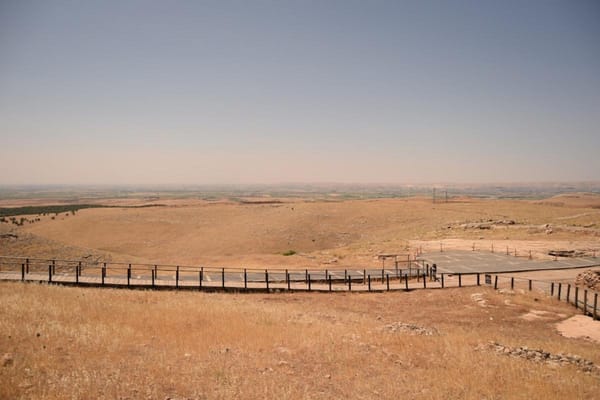
Göbeklitepe, a site of monumental importance, provides a unique window into the dawn of human civilization. Situated in modern-day Turkey, its significance extends beyond its immediate geographic locale, hinting at the advanced social and spiritual lives of its builders. This prehistoric site, dating back to approximately 9600 BC, challenges our understanding of ancient societies. The sophisticated organization required for the construction of such large-scale structures suggests a highly coordinated community with advanced social structures and spiritual beliefs.
Architectural Marvels of Göbeklitepe
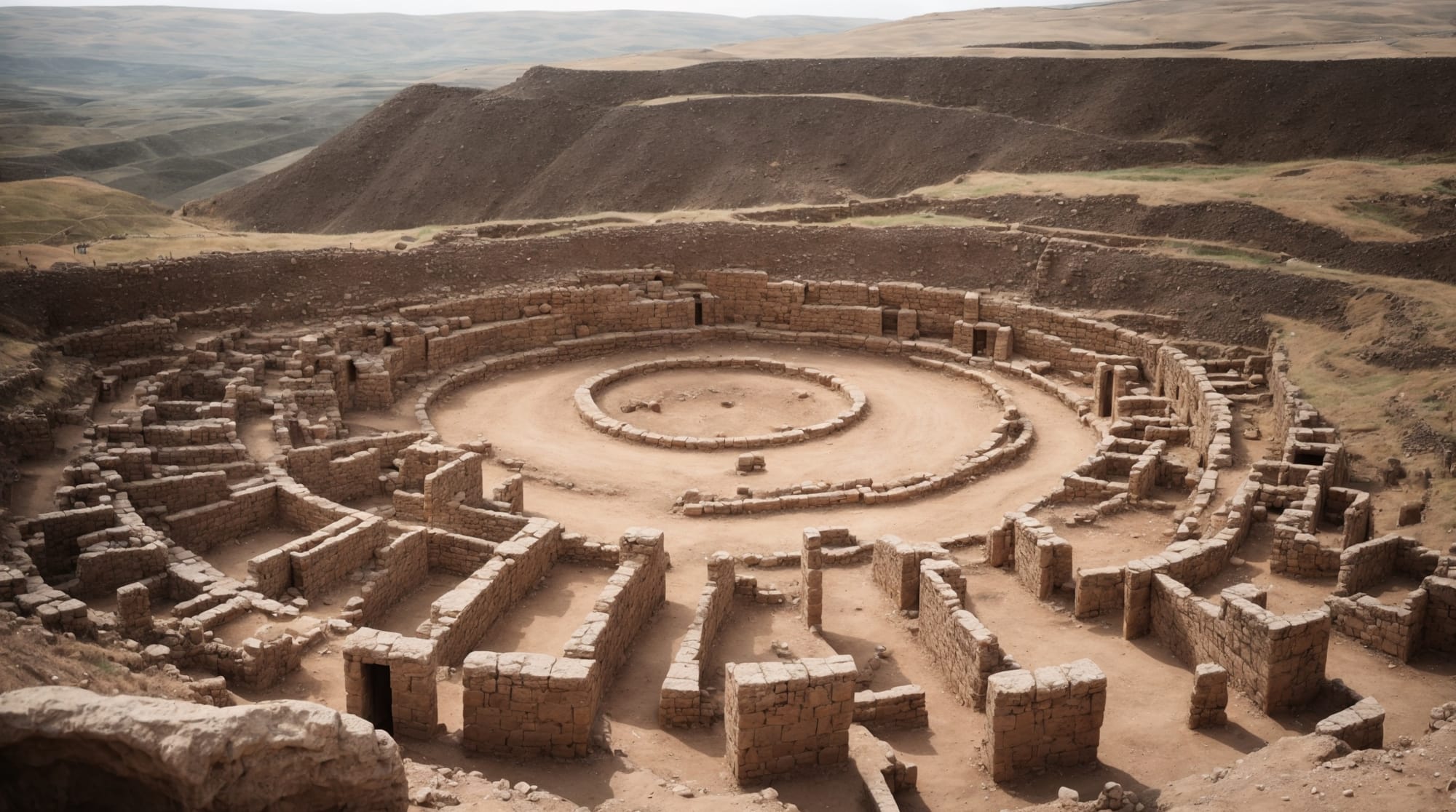
The architectural achievements at Göbeklitepe are highlighted by its iconic T-shaped limestone pillars, which bear intricate carvings of animals and abstract symbols. This artistry is not only aesthetically significant but also provides insights into the cosmological views and rituals of its builders. Each pillar, weighing up to 10-20 tons, stands as a testament to the ingenuity and possibly the communal effort of these early humans. These structures are considered some of the earliest examples of monumental architecture, predating Stonehenge by thousands of years.
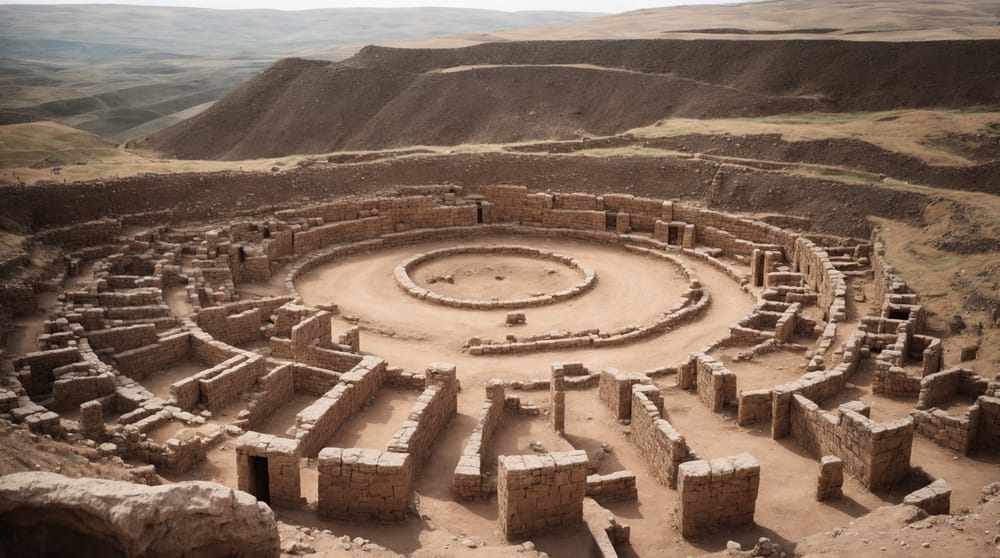
In addition to the pillars, Göbeklitepe’s layout includes multiple circular and rectangular enclosures, which indicate a sophisticated level of planning and purpose. Archaeologists suggest these enclosures served as ritual sites, potentially involving large communal gatherings. The precise alignment of these enclosures with celestial bodies suggests that early Neolithic communities might have possessed astronomical knowledge that influenced their construction and rituals, adding another dimension to our understanding of these ancient architects.
The Social Structure at Göbeklitepe
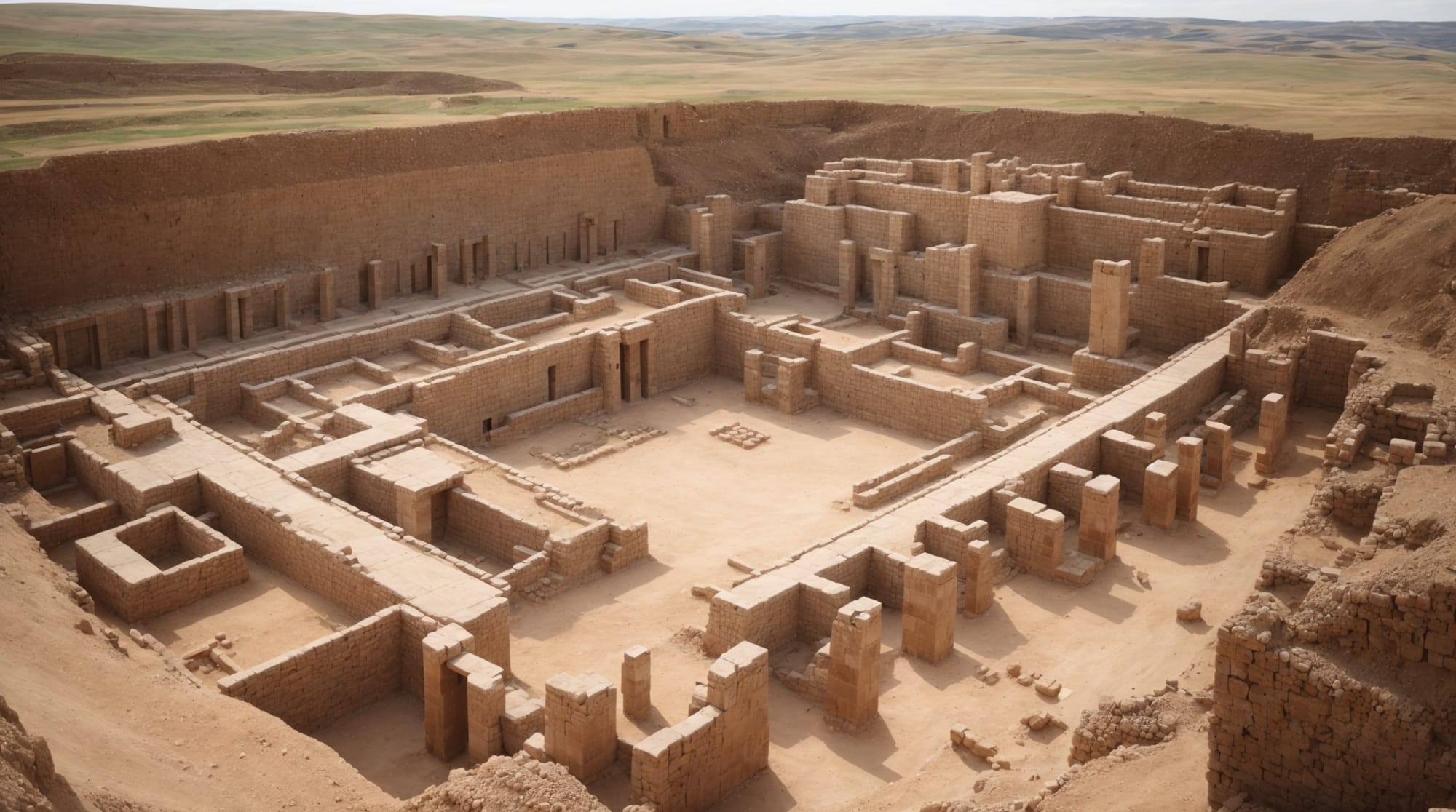
The construction of Göbeklitepe implies a level of social organization that was previously unrepresented in archaeological records of this era. The effort to quarry, shape, transport, and erect these massive pillars indicates that the community likely consisted of skilled laborers coordinated by leaders with vision and authority. This challenges previous notions that complex societies only emerged with the advent of agriculture and permanent settlements. Instead, Göbeklitepe suggests that complex religious and social activities could precede and possibly even spur the development of sedentary communities.
Implications for Global Cultural Narratives
Göbeklitepe not only reshapes our understanding of Neolithic peoples but also influences contemporary interpretations of human history. By acknowledging the complexity and capabilities of these early societies, we gain new perspectives on the narrative of human development. This site provides valuable clues into the spread of architectural practices and religious traditions across ancient landscapes. Göbeklitepe stands as a pivotal point in the history of human civilization, urging us to reconsider our chronologies and cultural milestones.