Göbeklitepe's Secrets Under the Stars
The Dawn of Astronomical Endeavors
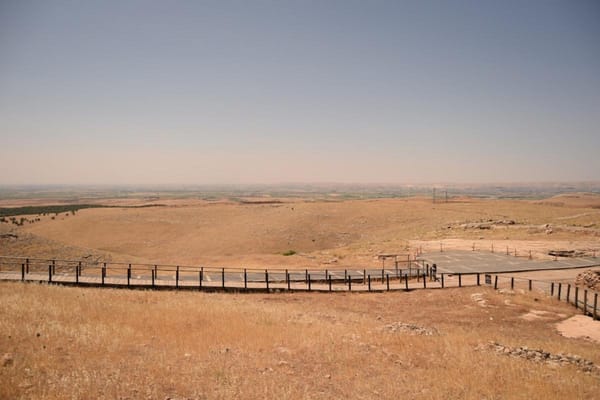
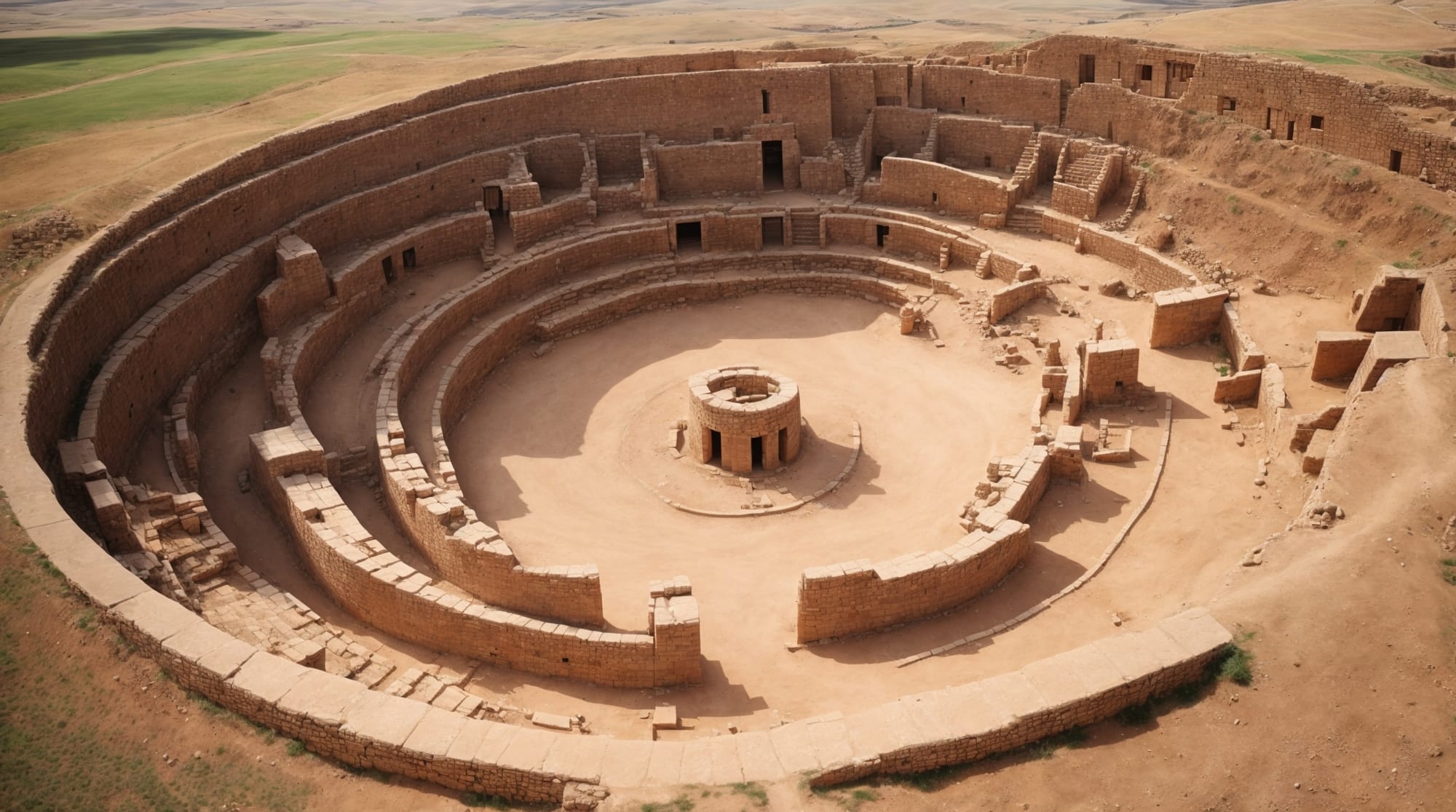
Göbeklitepe, located in the southeastern region of Turkey, stirs the imagination with its massive stone pillars and intricate carvings. Predating Stonehenge by about 6,000 years, this Neolithic site offers not just a glimpse into early human society but also compelling evidence of complex astronomical practices. Archaeologists suggest that its T-shaped pillars, oriented towards specific star constellations, may have served as an early form of calendar or astronomical observatory. This theory propels Göbeklitepe not only into the heart of archaeological debate but also into discussions on the very origins of scientific thought.
Deciphering the Pillars of Göbeklitepe
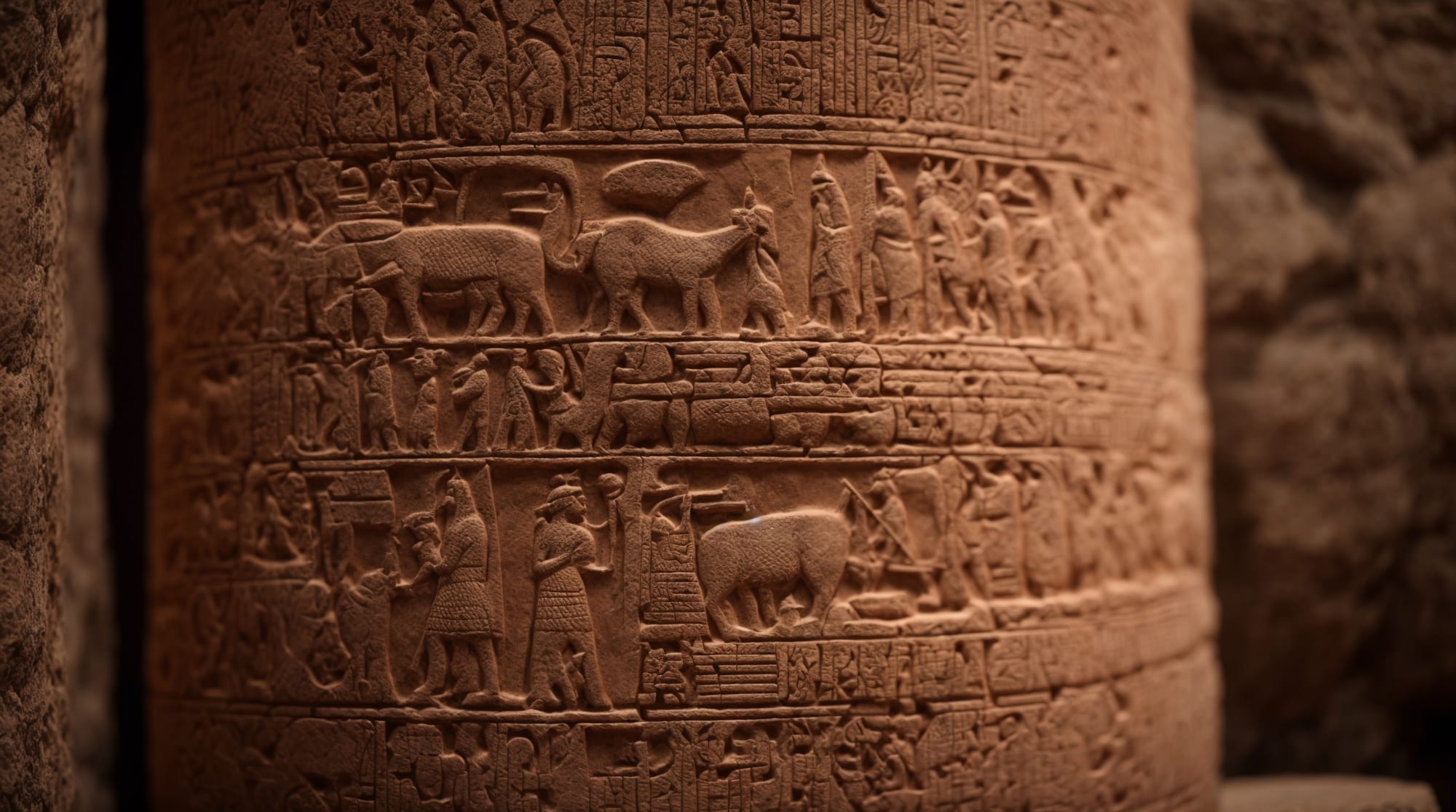
Each pillar at Göbeklitepe tells a story, etched into stone with symbols that may represent celestial bodies and events. The carvings of animals and abstract symbols suggest a sophisticated understanding of the cosmos, which might have played a vital role in seasonal rituals and social organization. By analyzing the layout and orientation of the pillars, researchers are piecing together how early humans observed the sky and marked the passage of time, integrating their observations into their cultural and religious practices.
The Cultural Impact of Astronomical Discoveries
The discovery of Göbeklitepe challenges previous assumptions about the capabilities of Neolithic societies. The sophistication shown in the astronomical alignments and carvings signifies that these early cultures were not merely survivors but were thriving communities engaged in exploring the cosmos. The impact of such discoveries extends beyond archaeology, influencing our understanding of human history and the development of science. As Göbeklitepe continues to be studied, its findings may prompt a revision of textbooks on the history of science, particularly the chapters dealing with the development of astronomy.
Future Research and Preservation Efforts
Preserving Göbeklitepe is as crucial as uncovering its secrets. The site, being exposed to the elements, requires careful conservation strategies to ensure that it does not suffer from environmental damage. Future research aims not only to excavate more areas but also to employ advanced technologies like LiDAR and ground-penetrating radar, which can reveal hidden structures without the need for invasive digging. As new layers of Göbeklitepe are unearthed, the site promises to offer even deeper insights into our ancestors' lives and beliefs.