Göbeklitepe's Time Capsule: Insights into Prehistoric Life
Uncovering the Origins of Göbeklitepe
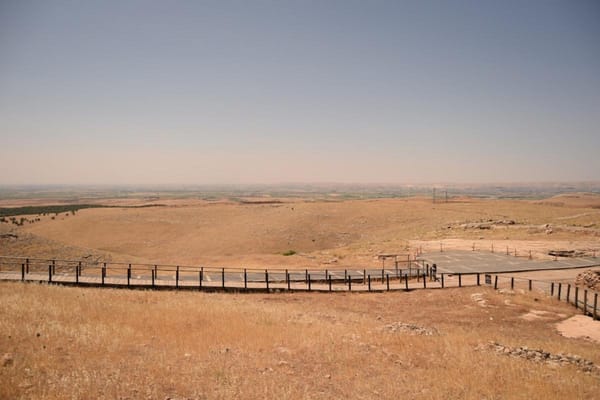
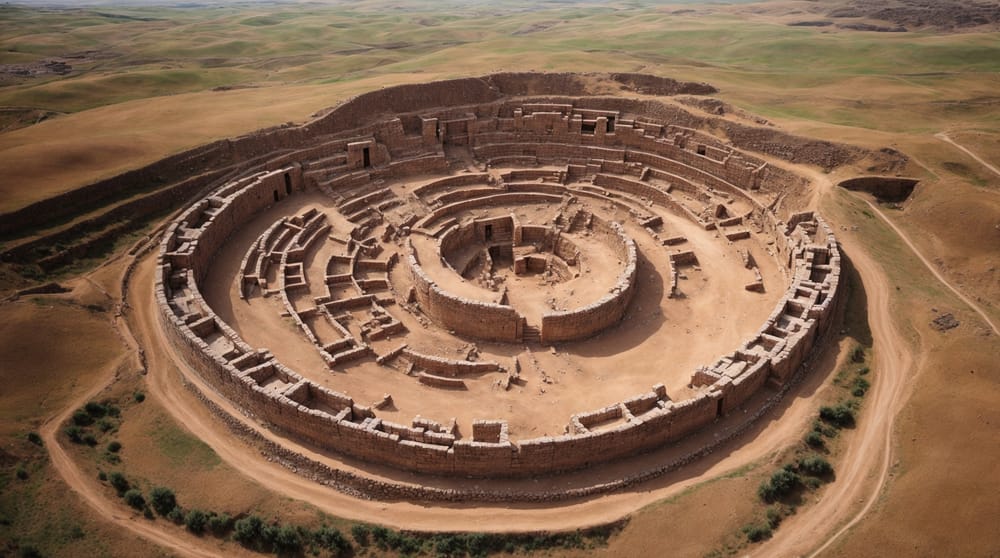
Göbeklitepe continues to puzzle and fascinate archaeologists and historians alike. Discovered in 1963, but only brought to global attention in the 1990s, this site in southeastern Turkey dates back approximately 12,000 years ago, predating both Stonehenge and the Egyptian pyramids. The monumental circular and rectangular structures adorned with large, T-shaped limestone pillars carved with animal motifs provide a glimpse into what is possibly the world’s first religious temple complex. The significance of Göbeklitepe lies not just in its age but in its implications for our understanding of socio-religious evolution at the dawn of human settlement.
Decoding the Symbols and Carvings
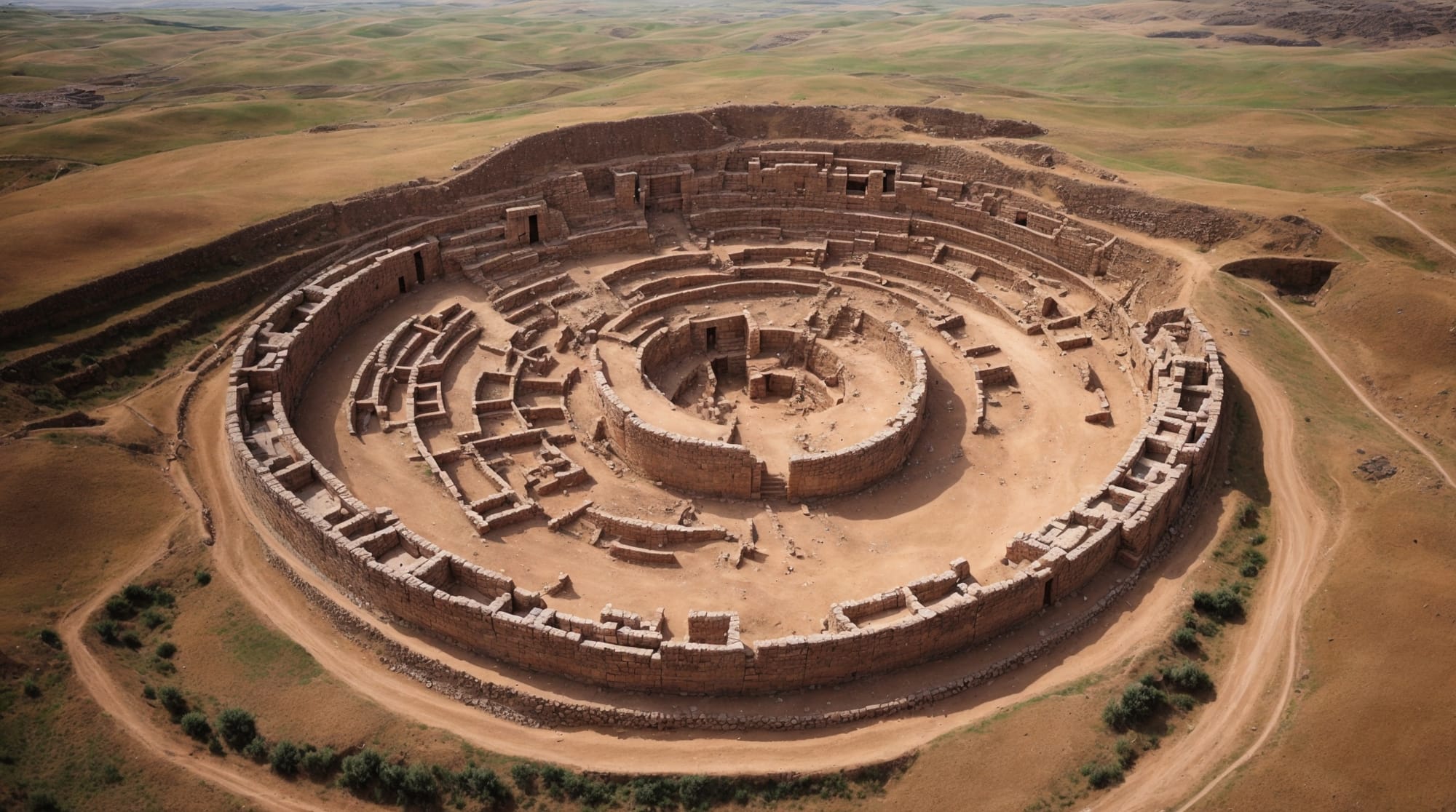
The carvings and relief work on Göbeklitepe's pillars are not just artistic expressions but are believed to hold deeper cosmological and mythological meanings. Featuring depictions of wild animals such as foxes, lions, and scorpions, these carvings are interpreted by some scholars as celestial symbols used to mark astronomical events or as totemic symbols central to the belief systems of Neolithic communities. The variety and complexity of these carvings suggest a sophisticated understanding of the world, as well as advanced techniques in stonework that were unprecedented for that era.
Exploring the Architectural Layout and Its Function
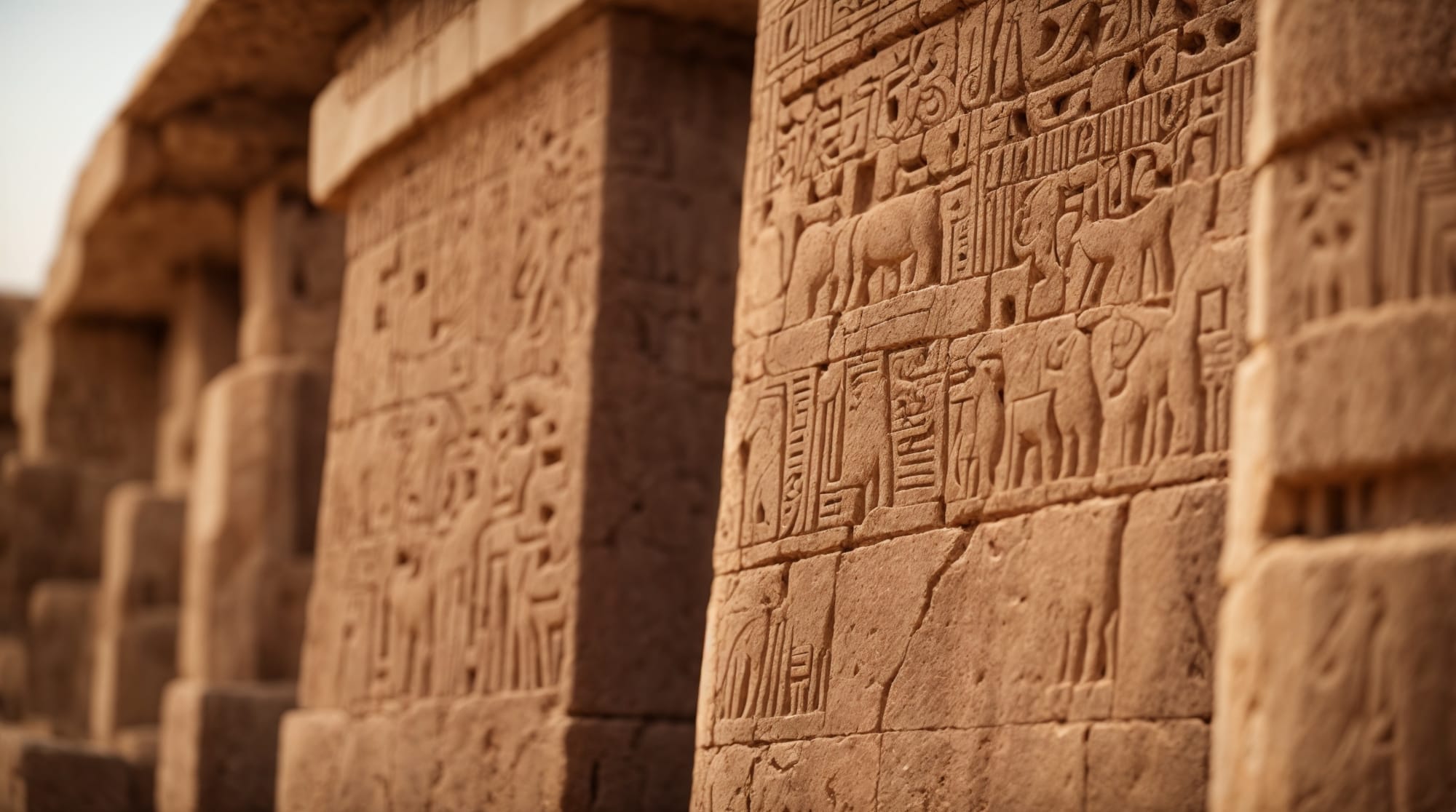
The layout of Göbeklitepe suggests that it served multiple functions, possibly as a sanctuary, meeting place, or ceremonial site. Archaeologists hypothesize that the circular arrangement of pillars could represent cosmological alignments or had a part to play in communal rituals. The presence of large stone troughs and channels hints at practices involving liquids, which may suggest ceremonies or communal feasting. Unraveling the purpose of these structures sheds light on the social and cultural dynamics of the communities that built them.
Göbeklitepe's Impact on Historical and Cultural Narratives
By pushing back the timeline for monumental architecture and advanced social organizations, Göbeklitepe has altered our understanding of prehistoric human societies. It challenges the traditional narrative that agriculture led to settlement and then to the development of complex societies. Instead, Göbeklitepe presents evidence that complex religious practices and monumental construction could precede and possibly lead to the development of settled agricultural communities. This site offers priceless insights into human cultural evolution, showcasing a sophistication that compels a reevaluation of ancient human capabilities.