Göbeklitepe's Time Capsule: Unraveling Millennia of History
Discovering Göbeklitepe
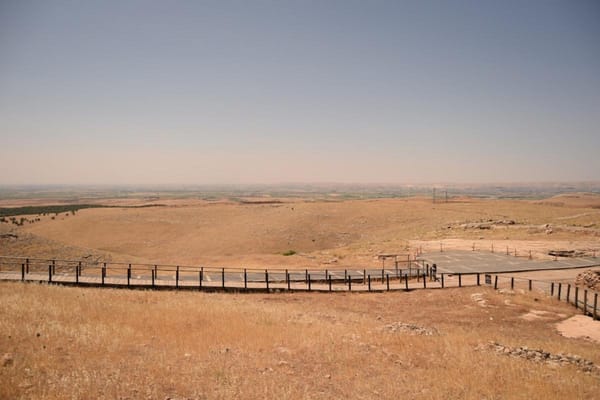
Nestled on a rugged plateau in southeastern Turkey, Göbeklitepe is a site that predates Stonehenge and the Egyptian pyramids, making it one of the oldest religious structures in the world. Discovered in 1963 but only seriously excavated decades later, the significance of Göbeklitepe has turned our understanding of human history on its head. The site consists of several circular and oval-shaped stone structures, each decorated with intricate carvings. These megaliths, some of which weigh several tons, indicate a level of societal organization and religious belief that challenges previous notions of prehistoric hunter-gatherers.

The Significance of Stone Pillars
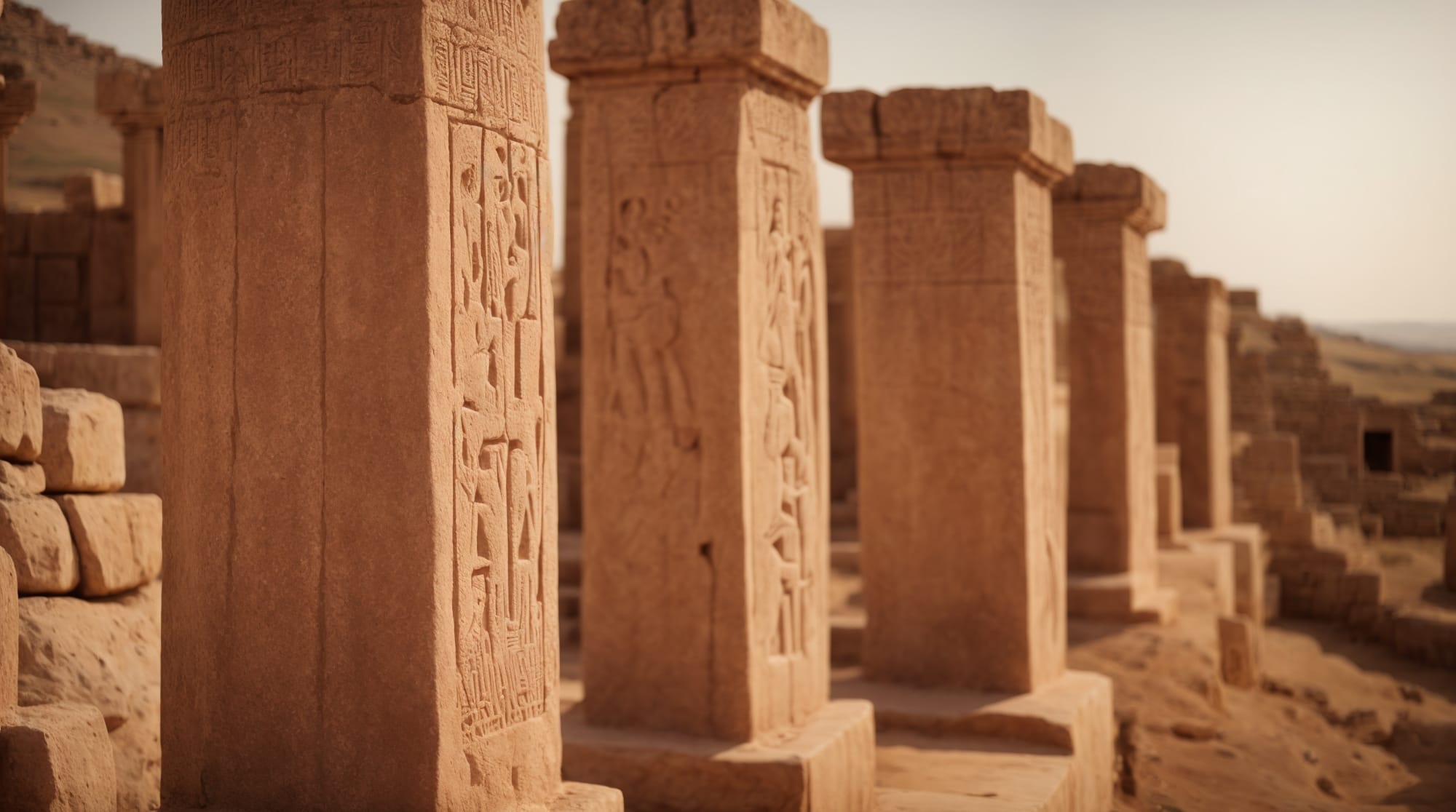
The iconic T-shaped stone pillars of Göbeklitepe are adorned with reliefs of wild animals, including foxes, lions, and scorpions, and abstract symbols that may have had significant cosmological meanings. These carvings are believed to be related to ancient rituals or storytelling practices, providing a visual narrative of the cultural and spiritual preoccupations of our ancestors. Researchers speculate that these monuments served not only as a communal gathering place but also played a role in the social and religious consolidation of groups from across the region.
Architectural Ingenuity at Göbeklitepe
The construction techniques observed at Göbeklitepe suggest a sophistication that was previously unattributed to Neolithic societies. The architectural design and layout of the temples, circular dynamics, and precisely carved stones point to advanced understanding and skills in stonemasonry. This monumental site serves as a testament to the ingenuity of early human civilizations and raises questions about the dissemination of architectural knowledge and cultural practices through ancient networks.
Göbeklitepe's Broader Impact on Archeology
The discovery and ongoing investigations of Göbeklitepe have significantly impacted archeological theories regarding the Neolithic Revolution—the period when human societies transitioned from nomadic hunter-gathering to settled agriculture. By indicating that religious and social activities could have precipitated agrarian developments, Göbeklitepe offers a new framework for understanding the progression of early societies. This site not only invites a rethinking of the chronological order of social development but also highlights the role of ceremonial constructs in the evolution of human civilization.