Göbeklitepe's Timeless Saga: Revealing Millennia of Human Endeavor
Unlocking the Secrets of Göbeklitepe
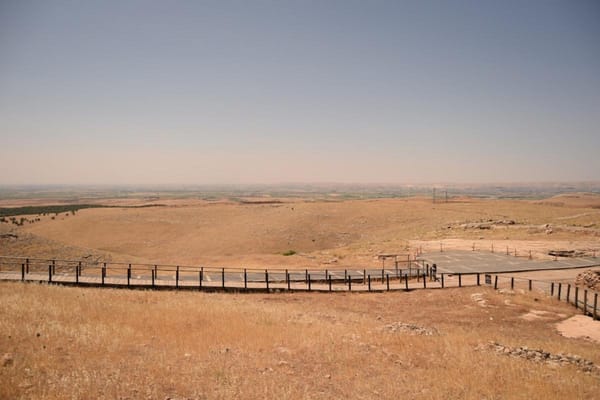
Situated on the rugged plateaus of southeastern Turkey, Göbeklitepe presents an unprecedented enigma in the history of archaeology. Often referred to as the world's first temple, this prehistoric site dates back to the 10th millennium BC, predating Stonehenge by over 6,000 years. The discovery of Göbeklitepe has overturned conventional theories about the Neolithic revolution, suggesting that religious rituals may have preceded, and even spurred, the development of agriculture and sedentary life.
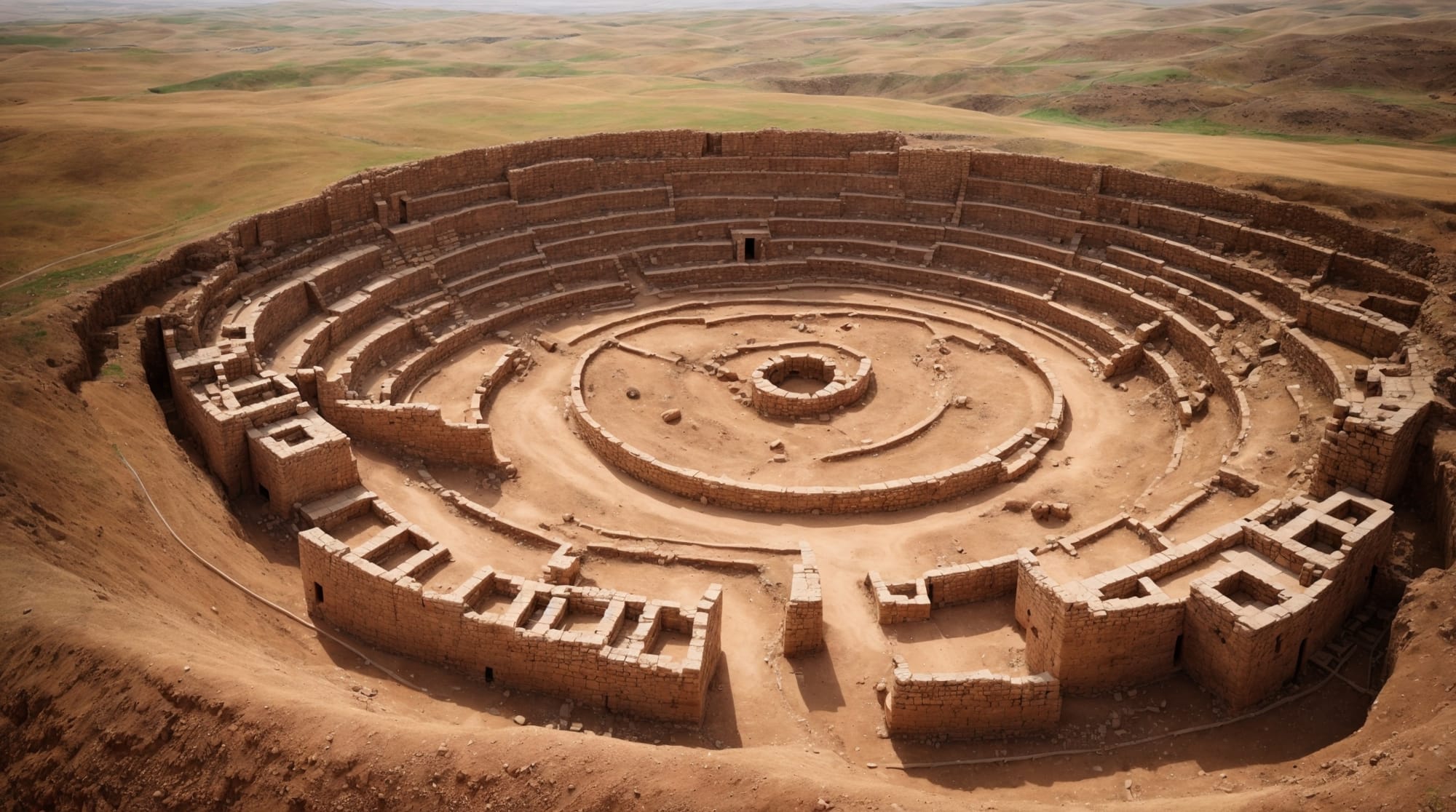
The meticulously carved megalithic pillars of Göbeklitepe, some reaching heights of up to six meters, are adorned with reliefs of wild animals, abstract symbols, and humanoid figures. These carvings not only exhibit the artistic sophistication of the early Neolithic people but also provide a glimpse into their complex belief systems and social structures. Each stone structure, or enclosures as they are referred to, are thought to serve as gathering places for rituals and communal events, highlighting the ceremonial importance of the site.
The Architectural Brilliance and Symbolism
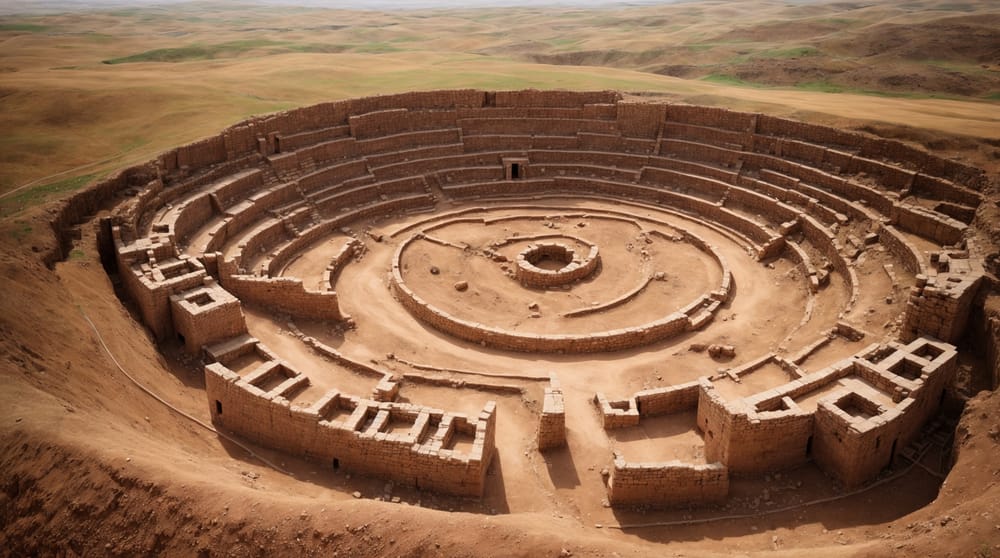
Beyond the initial awe-inspiring aspect of its megaliths, Göbeklitepe is remarkable for its sophisticated architectural layout. The structures are arranged in concentric circles, each containing two large central pillars surrounded by smaller ones interconnected by low stone walls. This design suggests an orchestrated architectural vision, not mere happenstance. The circular motifs, often interpreted as symbolic of the life cycle or celestial bodies, underscore the astronomical and calendrical knowledge possessed by these ancient builders.

Archaeologists speculate that Göbeklitepe served as a central point for a hunter-gatherer community transforming into a more organized society. The advanced nature of their religious expressions and monumental architecture provides evidence that early humans in the area had already developed complex societal structures, potentially catalyzing the transition from nomadic lifestyles to settled agricultural communities. This site illuminates the ingenuity of our ancestors and their ability to mobilize large groups for the construction of such monumental structures.