The Dawn of Civilization and Göbeklitepe's Sacred Geometry
Göbeklitepe and the Blueprint of Early Architectural Wonders
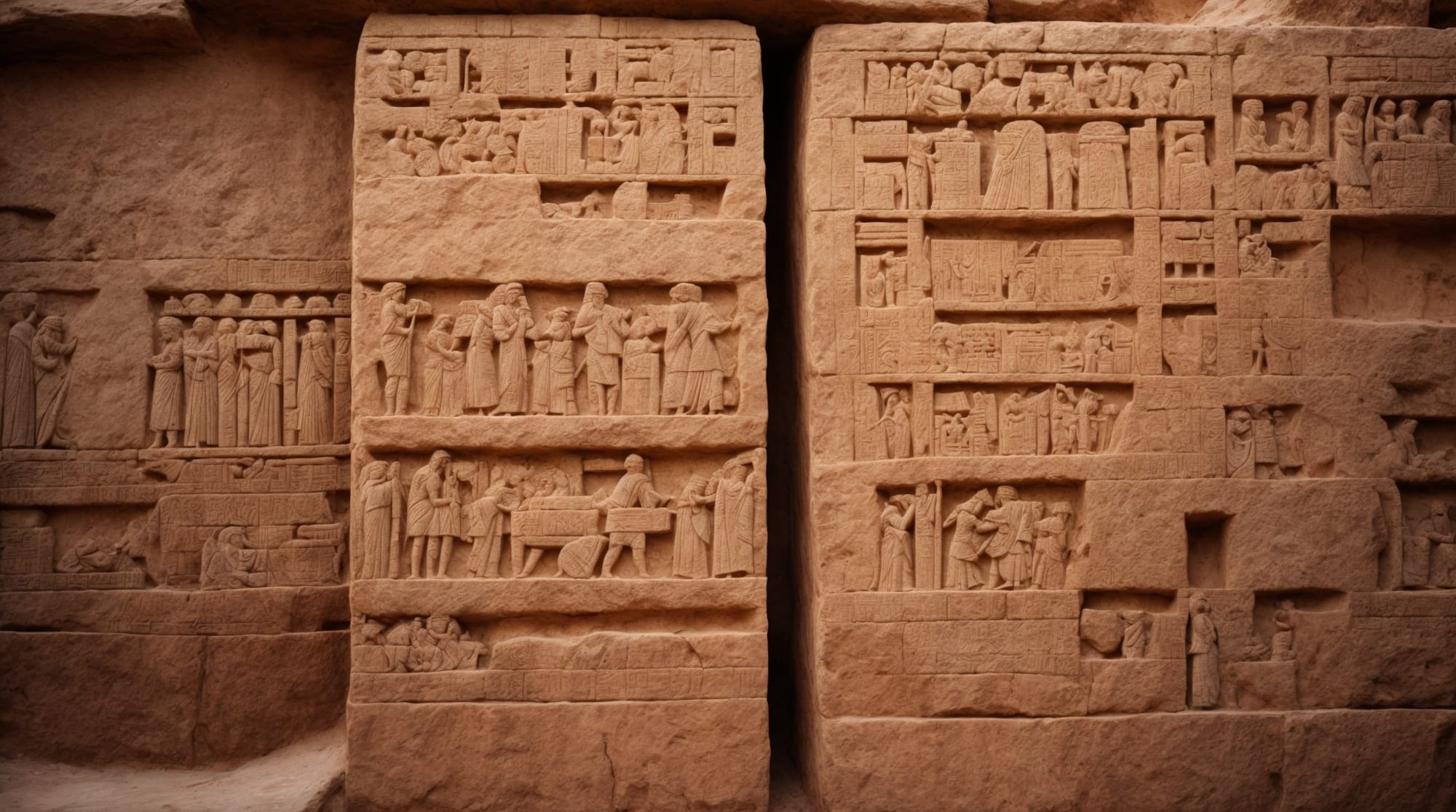
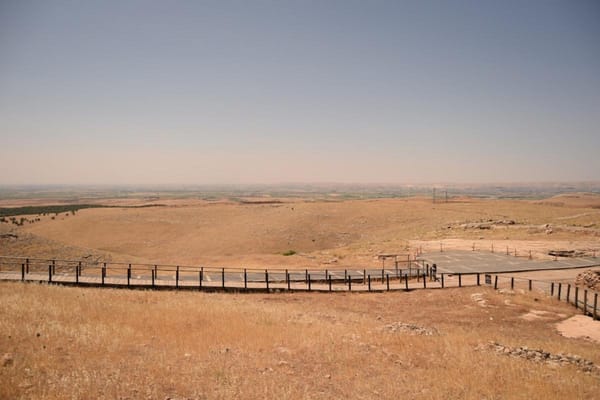
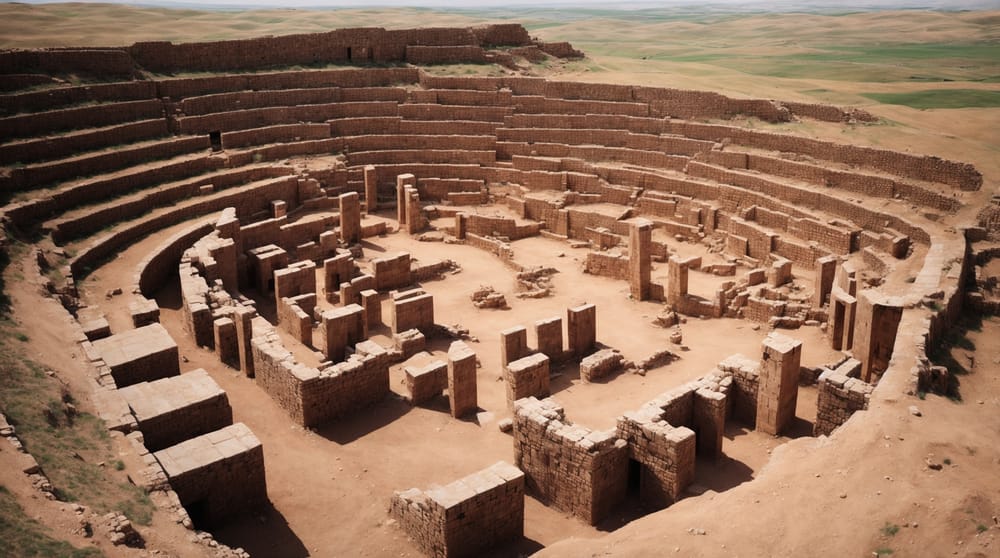
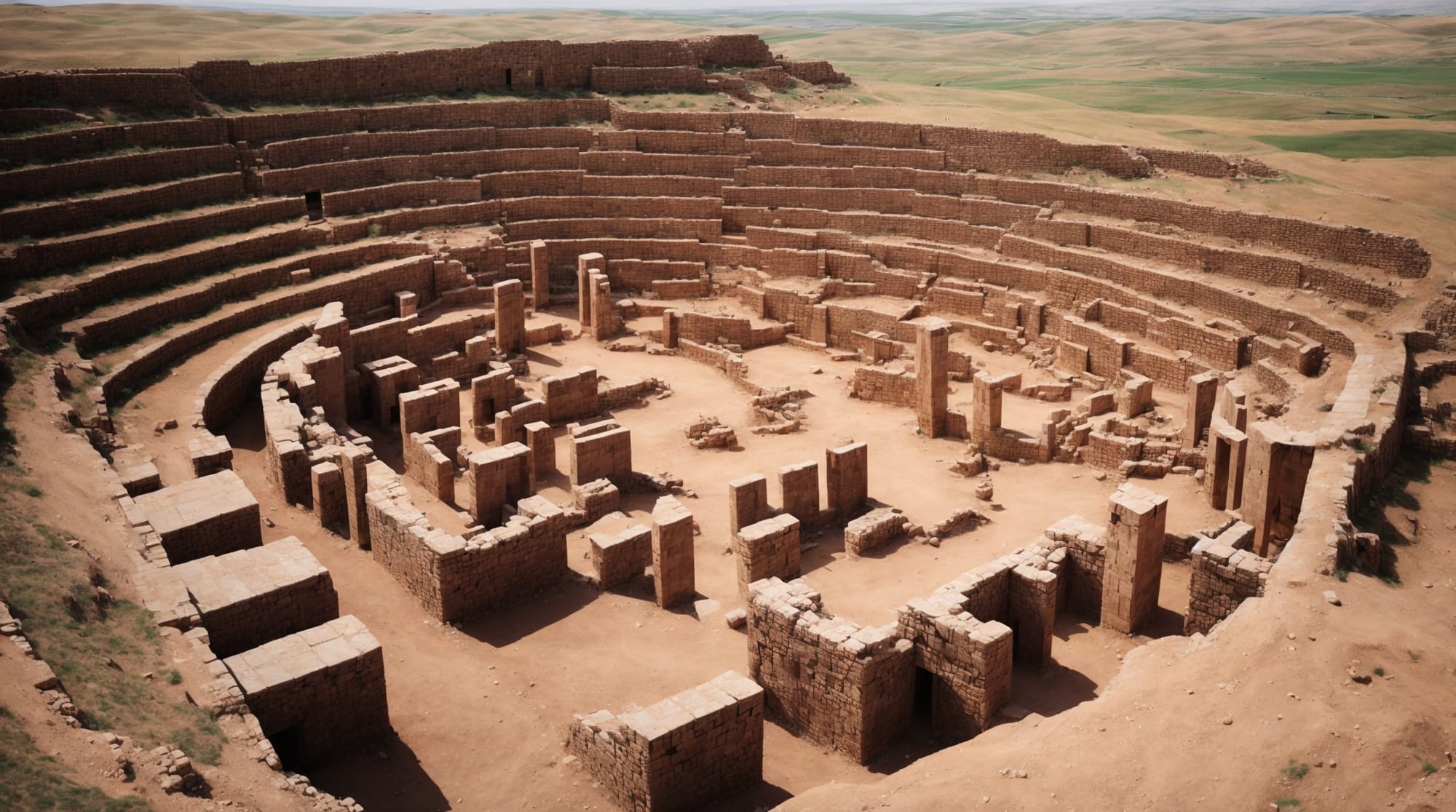
Located in southeastern Turkey, Göbeklitepe presents one of the most intriguing archaeological sites of the modern age. Predating Stonehenge by over 6,000 years, this site comprises multiple circles of tall, T-shaped stone pillars, intricately carved with reliefs of animals and abstract symbols. The sophistication and intended purpose of these structures remain a subject of intense scholarly debate, but they undeniably highlight the advanced architectural techniques and cosmological knowledge of their builders.
Deciphering the Geometric Secrets of Göbeklitepe
The layout of Göbeklitepe suggests a sophisticated understanding of geometric principles, evident in the circular arrangements and the precise alignment of the pillars with celestial bodies. This sacred geometry may have served not merely for aesthetic or functional purposes but as a way to create a bridge between the earthly domain and the celestial realms, embodying beliefs that governed Neolithic spirituality and community rites.
The Spiritual and Community Life at Göbeklitepe
Göbeklitepe not only revolutionizes our understanding of prehistoric architecture but also provides a window into the spiritual and communal lives of its creators. The carvings and totems found around the site suggest that Göbeklitepe served as a sanctum for ritualistic activities, celebrations, or even as a pilgrimage site. This aspect reasons the extensive labor and resource management that would have been required to construct such a monumental site in an era without modern tools.
Connecting Modern Perspectives with Ancient Innovations
Today, Göbeklitepe stands not just as a testament to human ingenuity in the Neolithic age but also as a crucial puzzle piece in the broader narrative of human history. Researchers and visitors alike stand in awe of the site's scale and its implications for our understanding of societal development, technological advancement, and cultural transformations. By studying such sites, we continue to connect threads between ancient innovations and modern perspectives on architecture, society, and spirituality.