The Enigmatic Pillars of Göbeklitepe: Unveiling Ancient Mysteries
Nestled on the southeastern edge of Turkey, the archaeological site of Göbeklitepe presents one of the most profound mysteries of ancient civilization. Predating Stonehenge by over 6,000 years, its massive, carved stone pillars hint at a sophisticated society whose cultural and spiritual life was far more complex than previously imagined. This blog explores the origins, theories, and significances of Göbeklitepe, aiming to shed light on how this site alters our understanding of prehistoric humans.
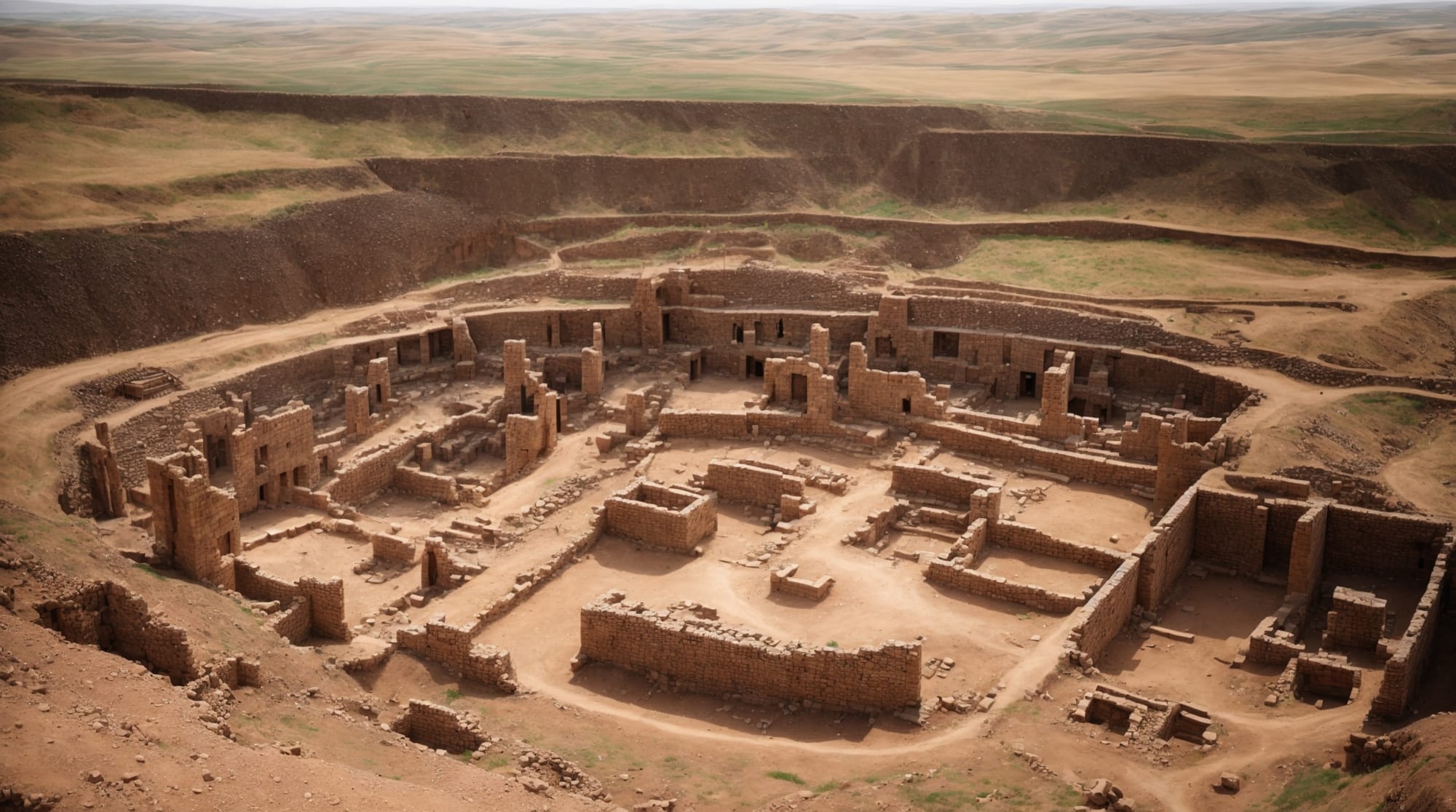
Uncovering the Purpose of the Göbeklitepe Site
Debates continue about the purpose of Göbeklitepe, with theories ranging from a temple complex to a social gathering place. Archaeological evidence suggests that the site served primarily religious or ritual purposes, evident from the layout of the pillars and the assortment of animal depictions, which might connote a form of spiritual symbolism. The lack of domiciliary remains supports the belief that Göbeklitepe was not a settlement but rather a place of worship or ceremonial congregation.

The architectural sophistication of Göbeklitepe is evident through its precise astronomical alignment and intricate carvings. The positioning of the pillars aligns with key stellar events, suggesting that early humans utilized astronomical knowledge long before the advent of written records. This discovery not only highlights the technical prowess of these prehistoric builders but also underscores the significance of astronomy in ancient religious practices.