Unearthing the Mysteries of Gobeklitepe and Its Revolutionary Archaeological Discoveries
Gobeklitepe's Significance in the Dawn of Human Civilization
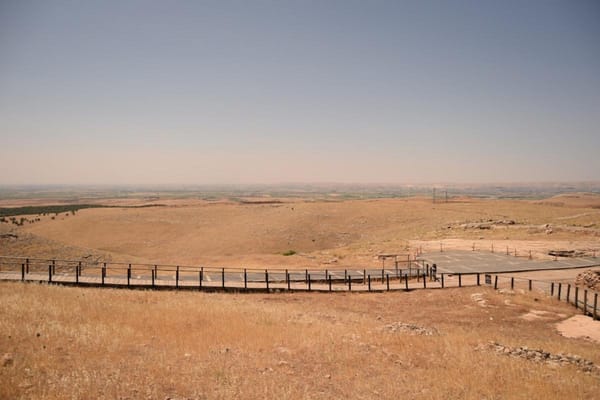
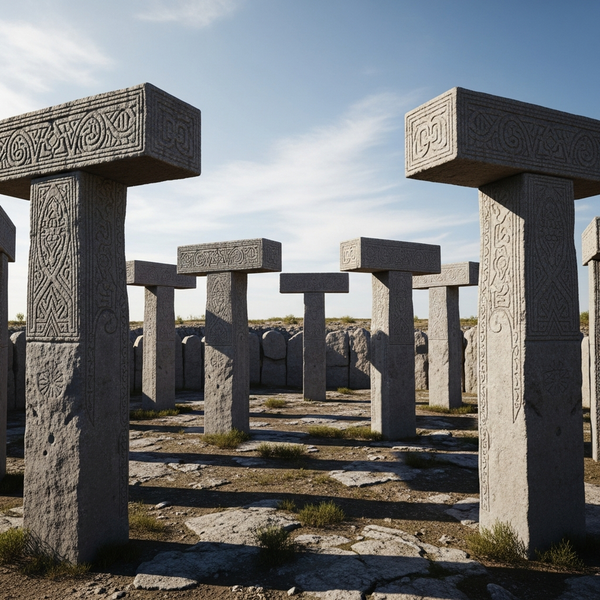
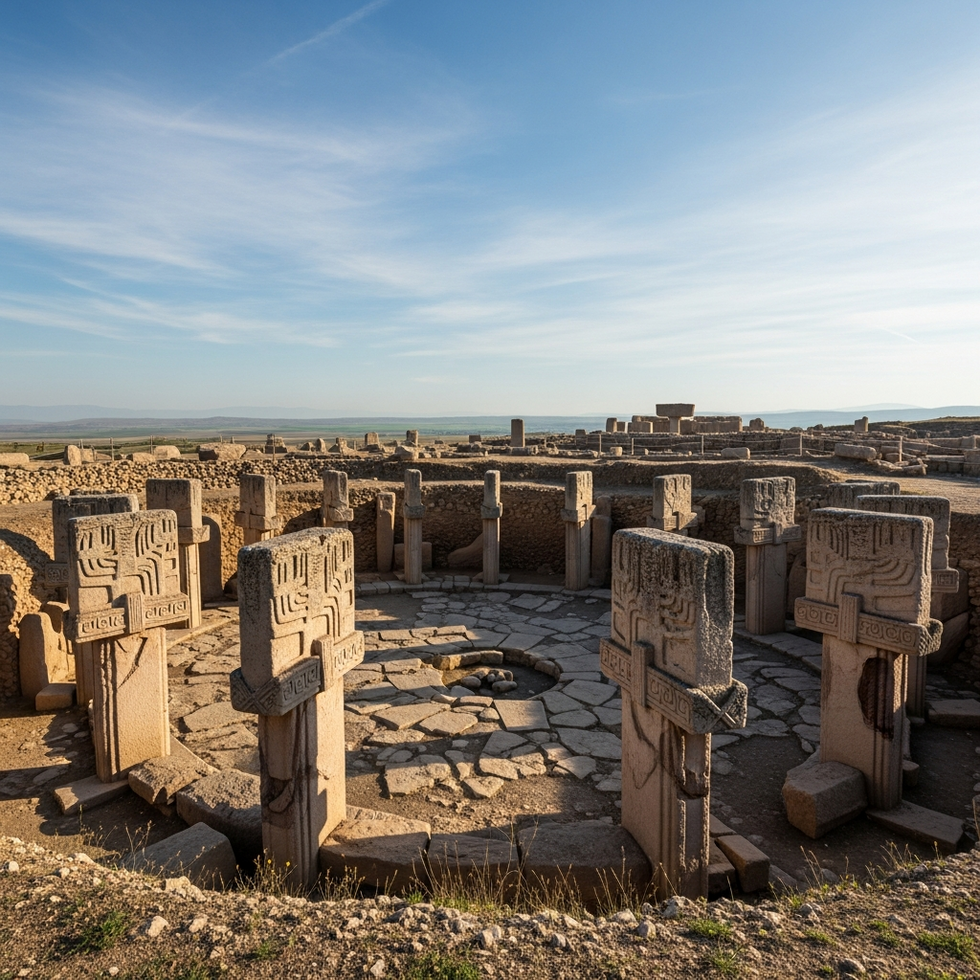
Picture yourself about 12,000 years ago, when people slowly began leaving behind wandering hunter lives for larger group setups. Rising from the ground near modern-day eastern Turkey stands Gobeklitepe, a place where ancient secrets have come alive through careful digging. Towering above the landscape are giant stone figures - shaped like T's, reaching more than 15 feet high, with chunks as heavy as ten elephants together. These towering shapes date back to some of our first attempts at building things just too big to ignore. Fresh digs along with active studies now paint clearer pictures of what people believed, how groups lived, and what spiritual life looked like during the beginning stages of farming. It turns out old ideas about religion and complex societies forming later on might actually be off track - maybe shared rituals or faith shaped some of those first collectives. What makes this spot stand out even more lies in how it tweaks our whole picture of history's early layers, moving attention away from places like ancient Mesopotamia, hinting instead that deep inner life existed among nomadic hunters for ages prior to urban life. Slowly uncovering rock carvings, helped by fresh tools such as 3D scans and underground sensors, still reveals hidden truths - showing how imagination and faith changed toward the end of the last ice age.
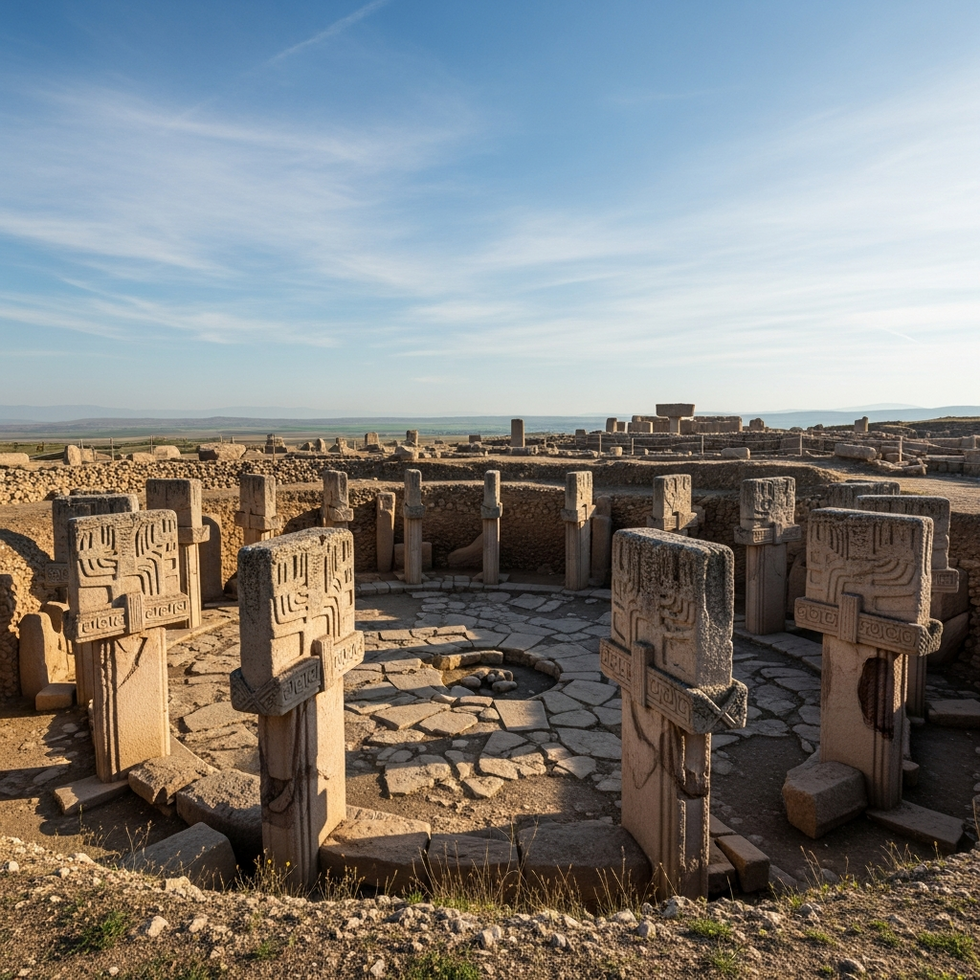
Revolutionary Discoveries Shaping Modern Understanding
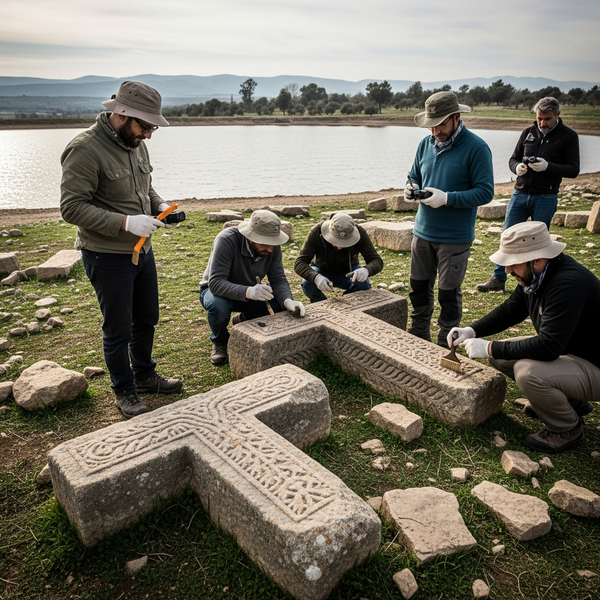
In recent years, Gobeklitepe has seen many surprising archaeological finds, leaving experts and fans stunned. Digging carefully, researchers uncovered detailed drawings etched into rock pillars - shapes, creatures, even hints of divine images. These details point to sophisticated ceremonies performed by ancient builders, meaning their site was more than just a roof or tool slot. Found across ancient rock surfaces, these etchings stand among the oldest signs of meaning-making known to science. Long before cities rose or words were written down, minds shaped patterns with depth and purpose. Built likely for rituals instead of housing, such spaces suggest collective worship played a central part in early community life. Centuries passed, yet the site endured - stone after stone reworked, proof of long-term spiritual transformation through time. What we’re learning pushes our knowledge further into how ancient societies thought and acted. At the same time, these findings support the idea that belief systems could have shaped group unity and shared culture long ago, when humans roamed the old stone ages.
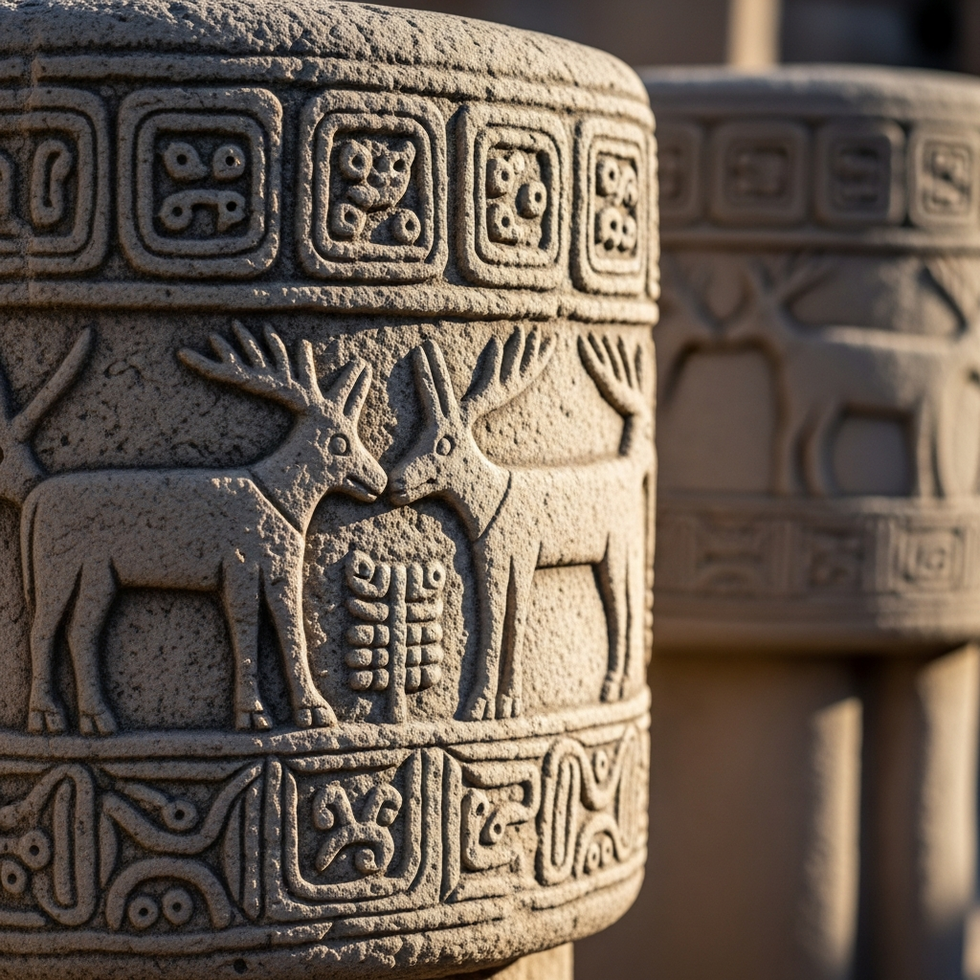
How Gobeklitepe Is Reshaping Human History and Our View of Early Beliefs
What happened at Gobeklitepe changes how we see ancient humans. Not because they farmed or built homes, but because they already had symbols and sacred routines. Instead of seeing them as simple, we notice signs of deep thinking long before expected. The carvings show intention, the building design suggests order among members. This wasn’t random - it was structured around ideas beyond survival. Evidence points to organized reverence, not isolated survival. What we see here shakes up old ideas about when religion or big societies came around - those usually tie to farming times. Yet Gobeklitepe hints that wanting to reach beyond the visible could’ve been built into humans from the start, pushing teamwork and knowledge passing through families. Bones of animals showing deliberate slicing now back claims of sacred acts, showing early convictions helped guide behavior and belief long ago. What stands clear about Gobeklitepe is how it honors the strength and cleverness of those who came before us, nudging us toward rethinking where spirituality began - and why people have always sought connection with others.