Unraveling Göbeklitepe's Role in the Dawn of Civilization
The Archaeological Significance of Göbeklitepe
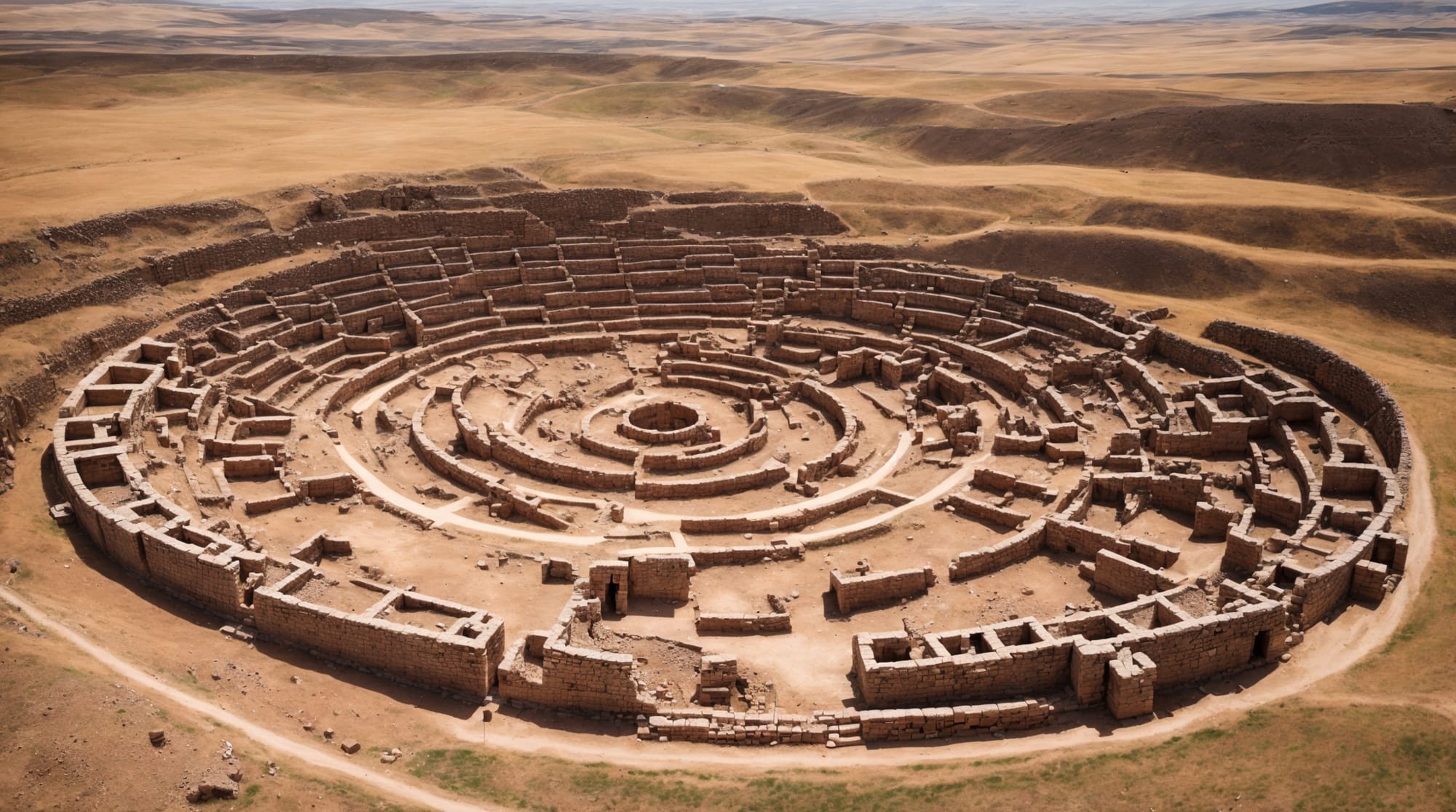
Göbeklitepe, an enigmatic archaeological site in southeastern Turkey, has captivated historians and archaeologists with its complex structures and massive carved stones dating back to the 10th millennium BC. This site, considered one of the world's oldest temples, challenges previous assumptions about the sociocultural evolution of early Neolithic societies. The discovery of Göbeklitepe has opened new avenues for understanding human history, suggesting that religious structures might have predated the development of settled agricultural communities. This raises significant questions about the role of religious practices in the development of early societal structures.
Mysteries Behind Göbeklitepe's Monumental Pillars
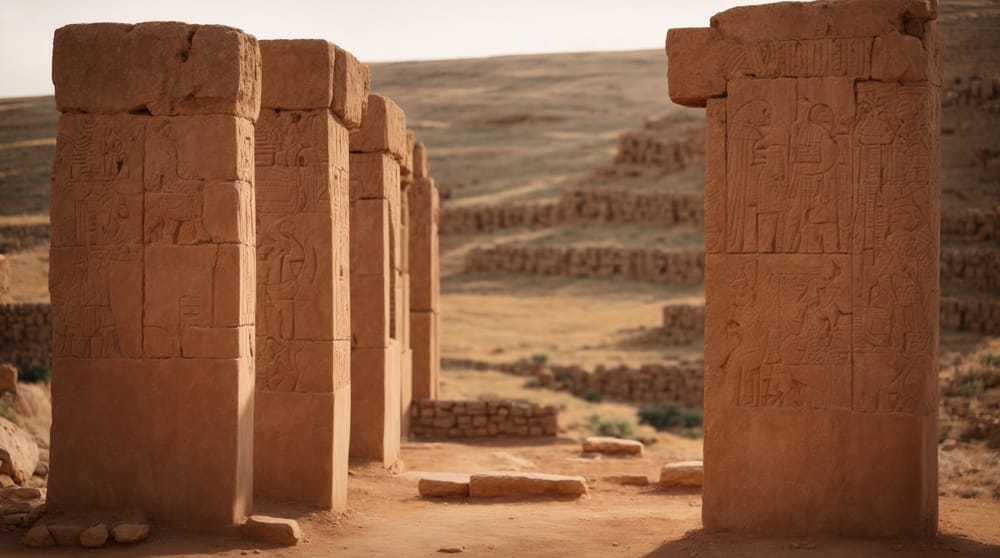
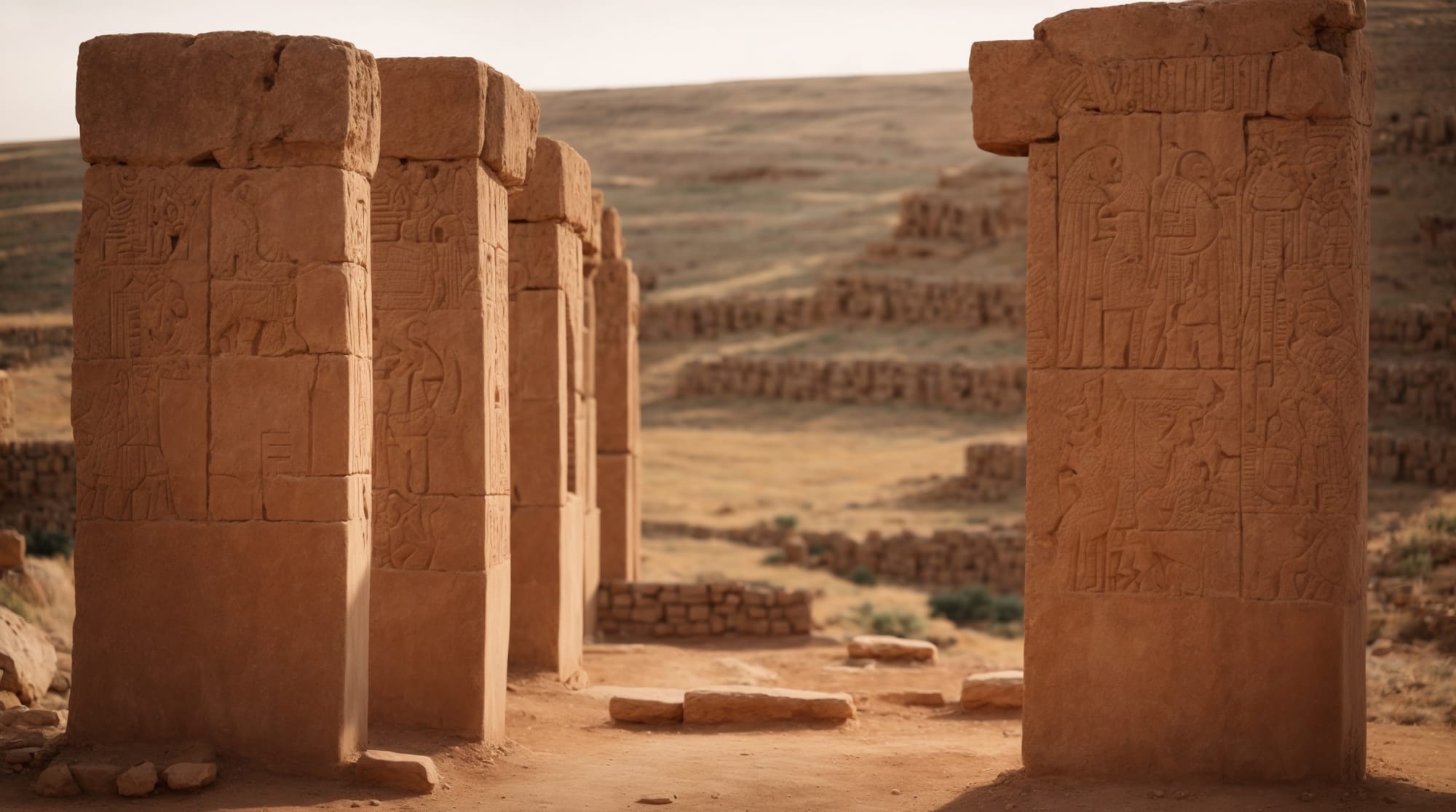
The stone pillars at Göbeklitepe are not only impressive due to their size but also due to the vivid carvings that suggest a rich symbolic significance, which remains partially understood. Featuring a variety of animal depictions, from snakes to wild boars, the pillars hint at a complex belief system and a deep connection with nature. These carvings may have served as a focal point for rituals or as markers of seasonal change, which were crucial for early agricultural activities.
The Construction Techniques of Göbeklitepe
The engineering prowess displayed at Göbeklitepe suggests an advanced understanding of stonework and geometry among its builders. The T-shaped pillars, some weighing over 10 tons, were installed without the use of metal tools, wheel, or draft animals, pointing to sophisticated teamwork and knowledge of leverage and balance. This level of organizational skill implies a structured society with specialized roles, challenging earlier views of prehistoric communal life being simplistic.
Implications of Göbeklitepe on Global Historical Narratives
The insights gained from Göbeklitepe not only reshape our understanding of early human societies in the region but also impact the broader historical narrative about the rise of civilization globally. The site provides evidence that complex belief systems and social structures were in place far earlier than previously thought, suggesting that such developments could have occurred independently in different parts of the world. The findings at Göbeklitepe thus challenge Eurocentric models of historical development and propose a more interconnected prehistoric world.