Unraveling the Ancient Enigma of Göbeklitepe and Its Impact on Human History
Göbeklitepe as a Gateway to the Prehistoric Past and Its Mystical Significance
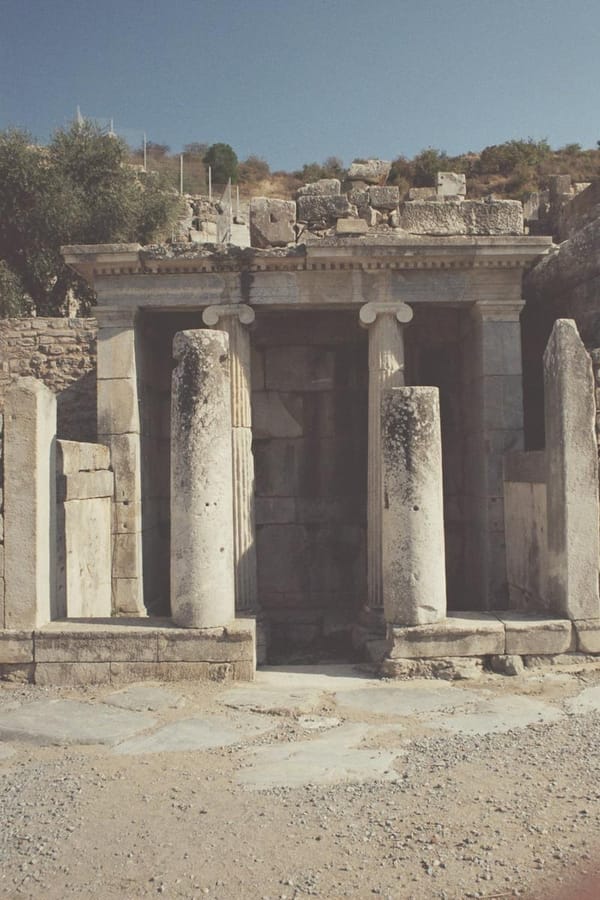
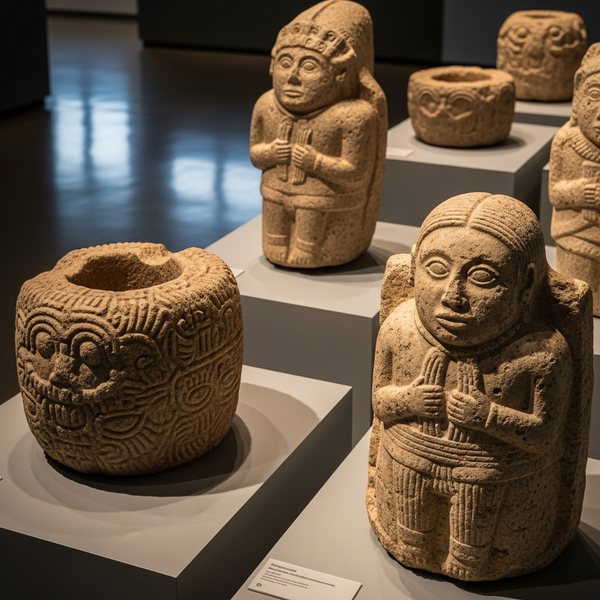
Imagine standing at a site where the stones whisper stories from over 12,000 years ago—a place that challenges our conventional understanding of human history. Göbeklitepe, located in southeastern Turkey, is arguably one of the most groundbreaking archaeological discoveries of the 21st century. Unlike many ancient sites which are quintessentially associated with farming or city-building, Göbeklitepe's significance lies in its mysterious purpose as a religious or ceremonial center during the late Paleolithic era. What makes this site particularly captivating is not only its age but also its intricate carvings, towering megalithic pillars adorned with animal motifs, and complex construction techniques that defy earlier assumptions about prehistoric societies. These features raise profound questions about the cognitive and spiritual capabilities of early humans who might have already possessed complex belief systems and organizational skills. Recent excavations have revealed that Göbeklitepe predates the invention of agriculture by thousands of years, suggesting that early humans might have engaged in organized spiritual rituals long before they settled into farming communities. This reshapes the traditional narrative, which often assumes that societal complexity follows the development of agriculture. The site is still under ongoing excavation, with archaeologists uncovering new layers of history that could further illuminate the enigmatic motives behind its construction. In essence, Göbeklitepe offers us a window into a prehistoric mindset that intertwined religion, community, and perhaps even governance—a concept few other sites from this period can claim to demonstrate convincingly.
Deciphering the Mysterious Carvings and Their Cultural Implications
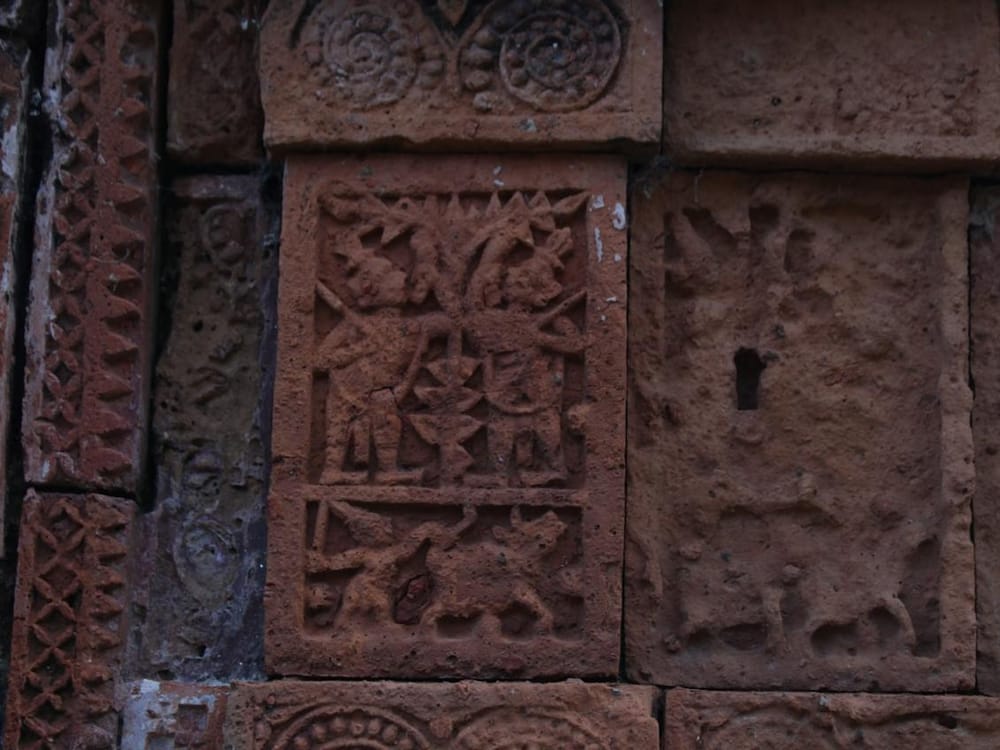
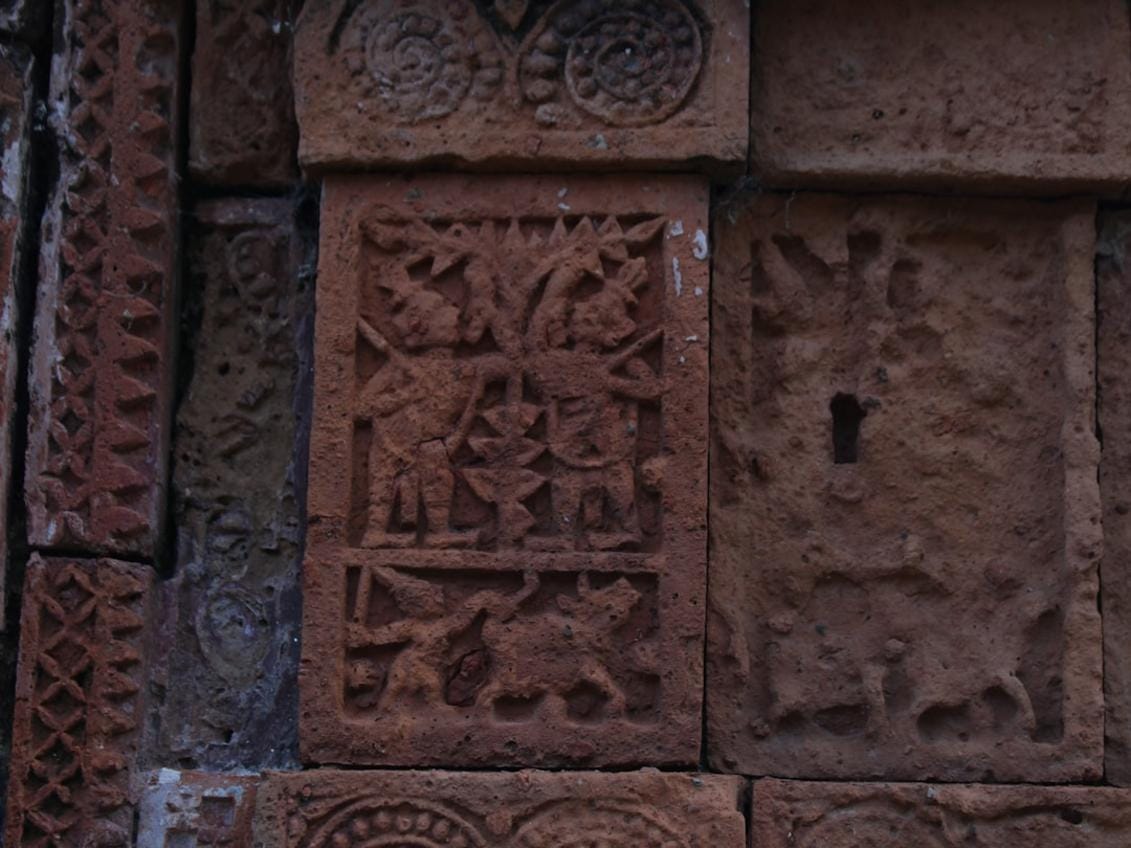
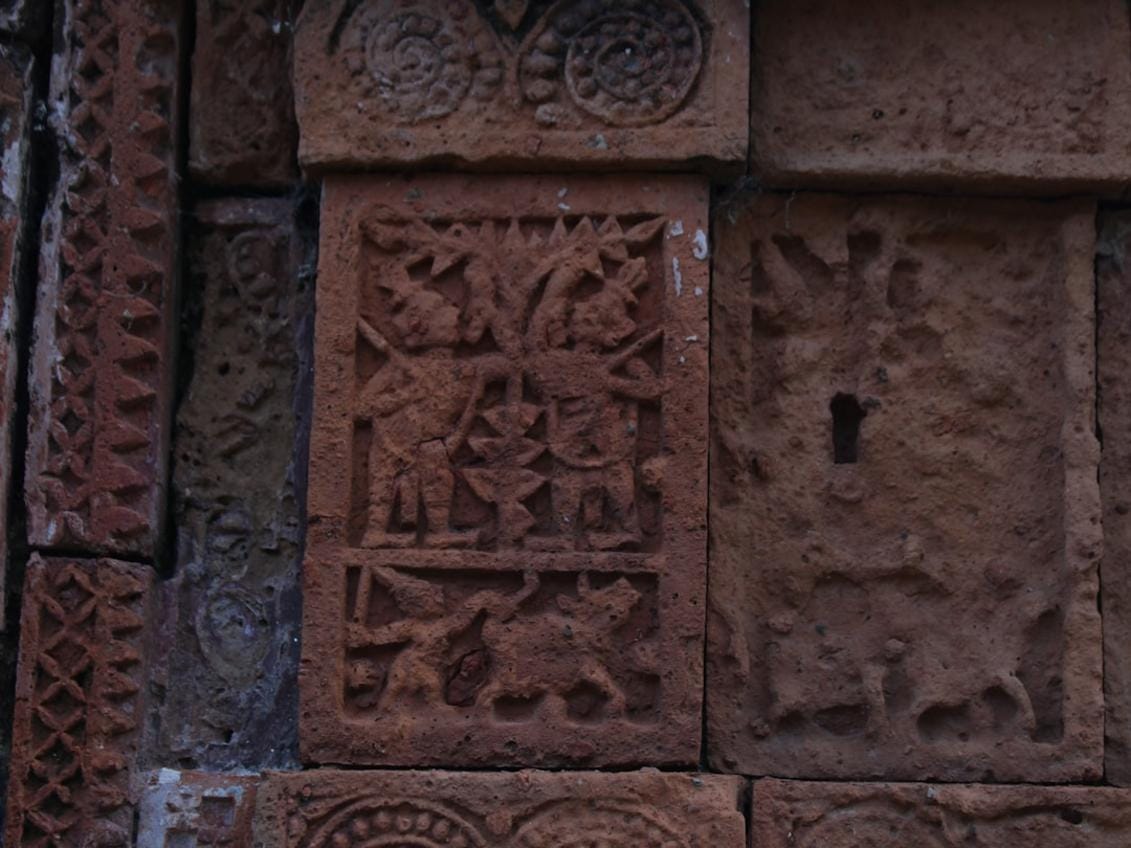
One of the most intriguing aspects of Göbeklitepe is undoubtedly its elaborate carvings that cover many of the standing stones. These engravings depict a variety of animals, abstract symbols, and possibly even human-like figures, yet their exact meanings remain elusive. Researchers have long debated whether these carvings represent spiritual totems, hunting rituals, shamanistic practices, or early attempts at some form of communication. Considering the complexity and consistency of the motifs, it’s plausible that the carvings reflect an early belief system—perhaps a mythology centered around animals which held symbolic or spiritual significance. These interpretations, however, are speculative, and the lack of written language from this period leaves a gap in understanding the full cultural context. Nevertheless, the presence of these detailed images signifies that early humans deeply engaged with their worldview and sought to memorialize their beliefs through art. This aspect of Göbeklitepe pushes the boundaries of our knowledge about prehistoric cognition, implying a sophisticated level of abstract thinking and spiritual awareness. It hints that these early societies were not merely hunter-gatherers but were capable of complex symbolic thought, which could have laid the groundwork for later religious developments. Exploring these carvings grants us insight into the shaping of human consciousness and the universal quest to comprehend the world and our place within it.
The Impact of Göbeklitepe on Modern Understanding of Human Society and Its Mysteries
The discovery of Göbeklitepe has profoundly shaken foundational concepts in archaeology and anthropology, compelling scholars to reconsider the timeline and evolution of human societies. Traditionally, it was believed that complex social and religious structures only emerged after the onset of agriculture, around 9,000 years ago. Göbeklitepe, however, predates this transition by at least several millennia, indicating that early humans might have exhibited societal organization and spiritual complexity far earlier than previously assumed. This challenges the conventional linear view of human development, suggesting instead a more nuanced and layered evolution. The site prompts the question: what drove these early groups to invest so much effort into constructing monumental religious centers without the benefits of settled agriculture? Some theories propose that these early ritual sites served as unifying communal centers or even settlement sites that supported social cohesion. Others speculate that they functioned as territorial markers or symbolic landscapes reflecting a worldview centered around animals, spirits, and ancestors. Göbeklitepe's enigmatic presence continues to fuel debates about the origins of religion, leadership, and culture, compelling researchers worldwide to rethink our collective past. As archaeological methods advance and new discoveries emerge, the true story behind Göbeklitepe might redefine the very foundations of human civilization, making it a focal point in understanding our ancient, mysterious origins.